🌸🌹2ck 🌱🐇 @2ck@social.cleverlibre.org
A capable software engineer and aspirating (sic) cook. Also posting about space stuff (mostly NASA) occasionally
pronouns: he, him
Joined Apr 2020
I got this puzzle from my neighbor. It was really easy to solve. Each of the smaller cubes is connected to the next one by an elastic string--kind of like a hair tie--on two sides except for the ends which are only attached on one side. The goal is to arrange the smaller cubes into the larger cube shape.
It's easy because you can proceed with a more-or-less greedy algorithm to get the solution. What I want to do though is to figure out how to represent the problem generically (4x4x4, different target configurations, different initial configurations, different component shapes, etc.), describe the state spaces for different configurations, and describe a generic algorithm for reaching the target configurations, and things like that.
@trinsec OK. I think those aren't reasons I would read something, so I don't really understand, but thanks for explaining
it's such an odd but really great feeling when you're learning the lyrics to a song you want to sing and you get to a part that, cognitively, you don't have access to the words yet but then your body just starts producing the right sounds
🌸🌹2ck 🌱🐇
boosted

@trinsec what do you like about it besides it being easy to read?
@ashwinvis that's pretty dang clever. wouldn't have thought FFT would come into the picture
🌸🌹2ck 🌱🐇
boosted

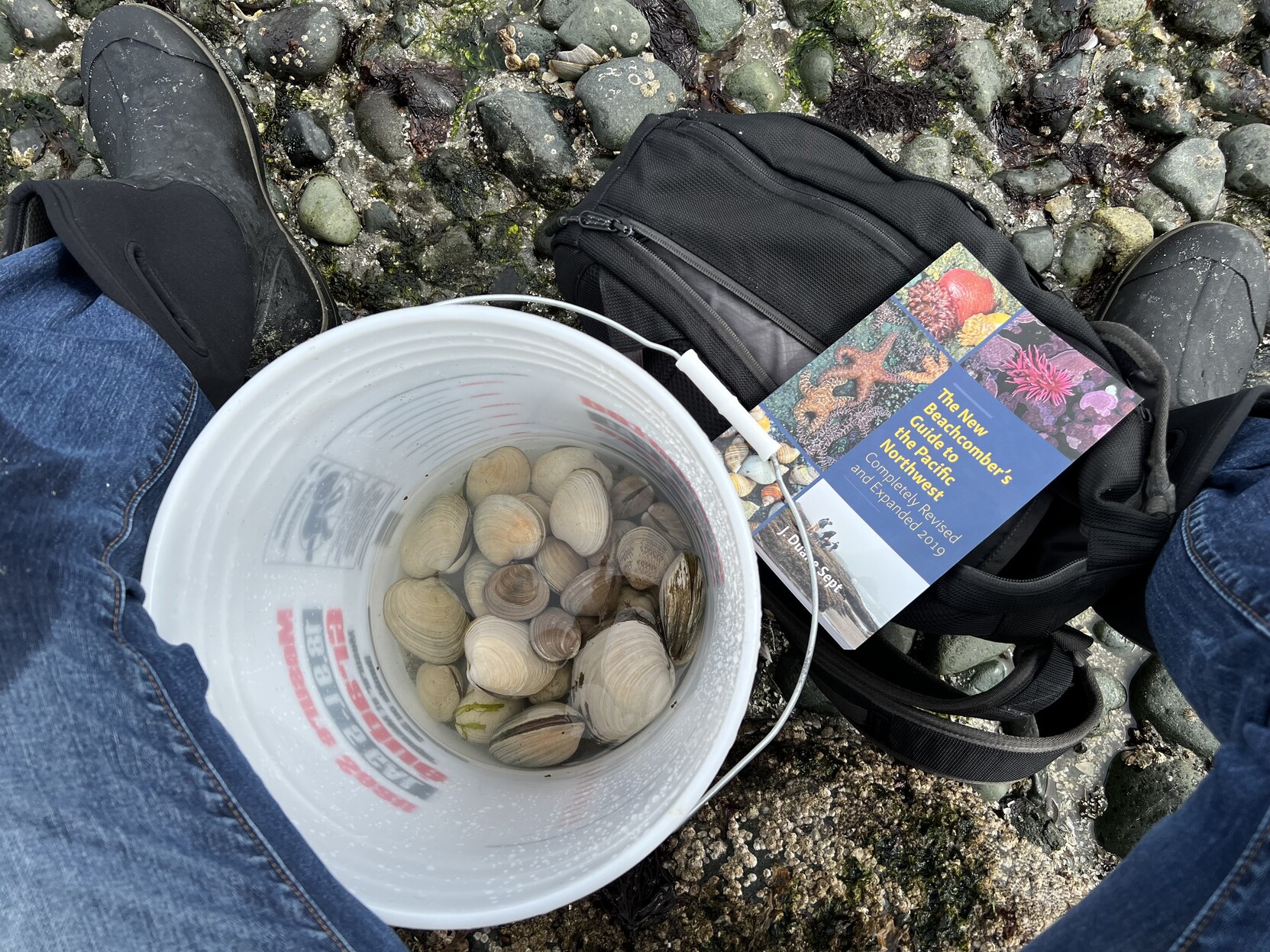
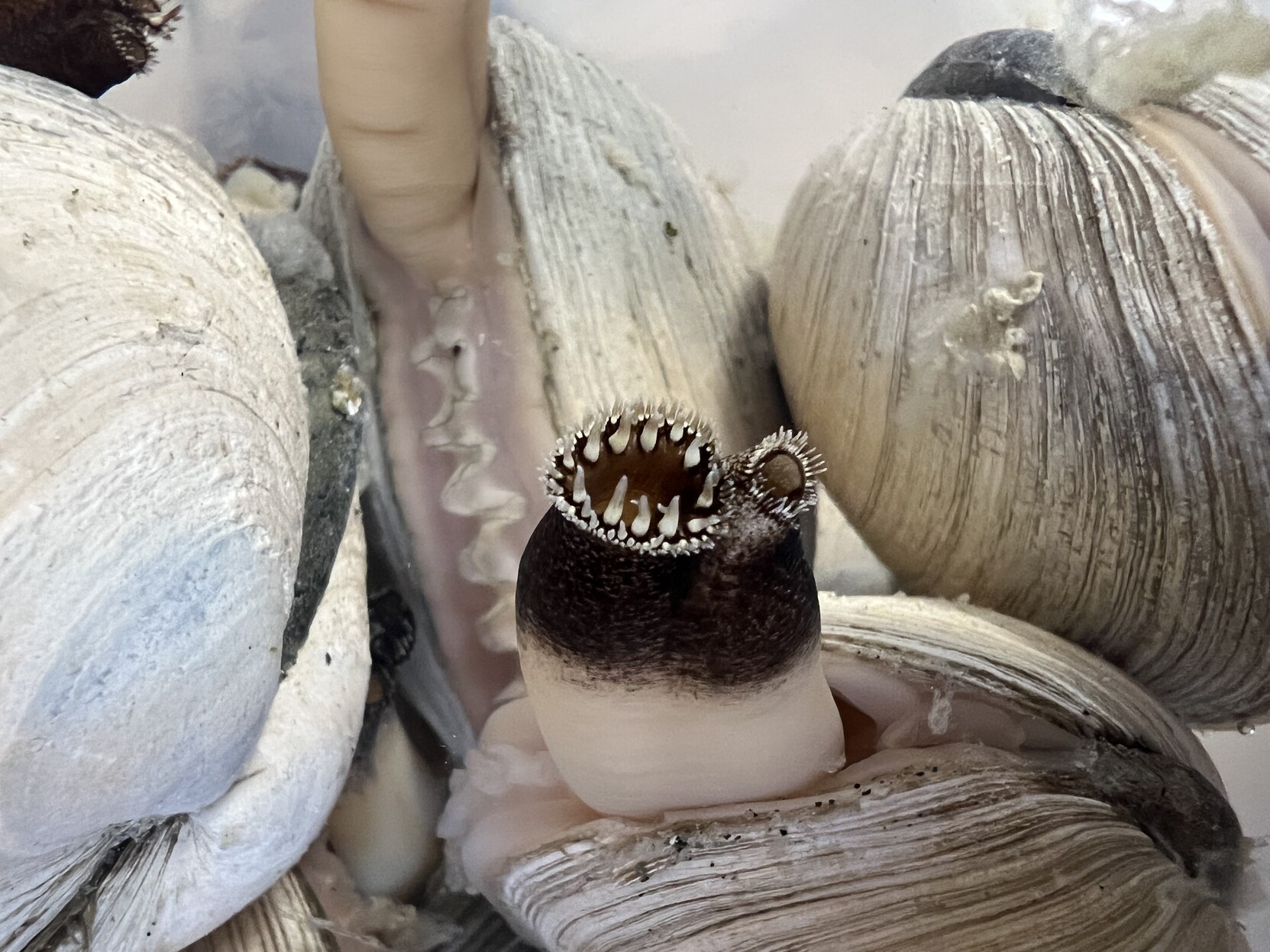
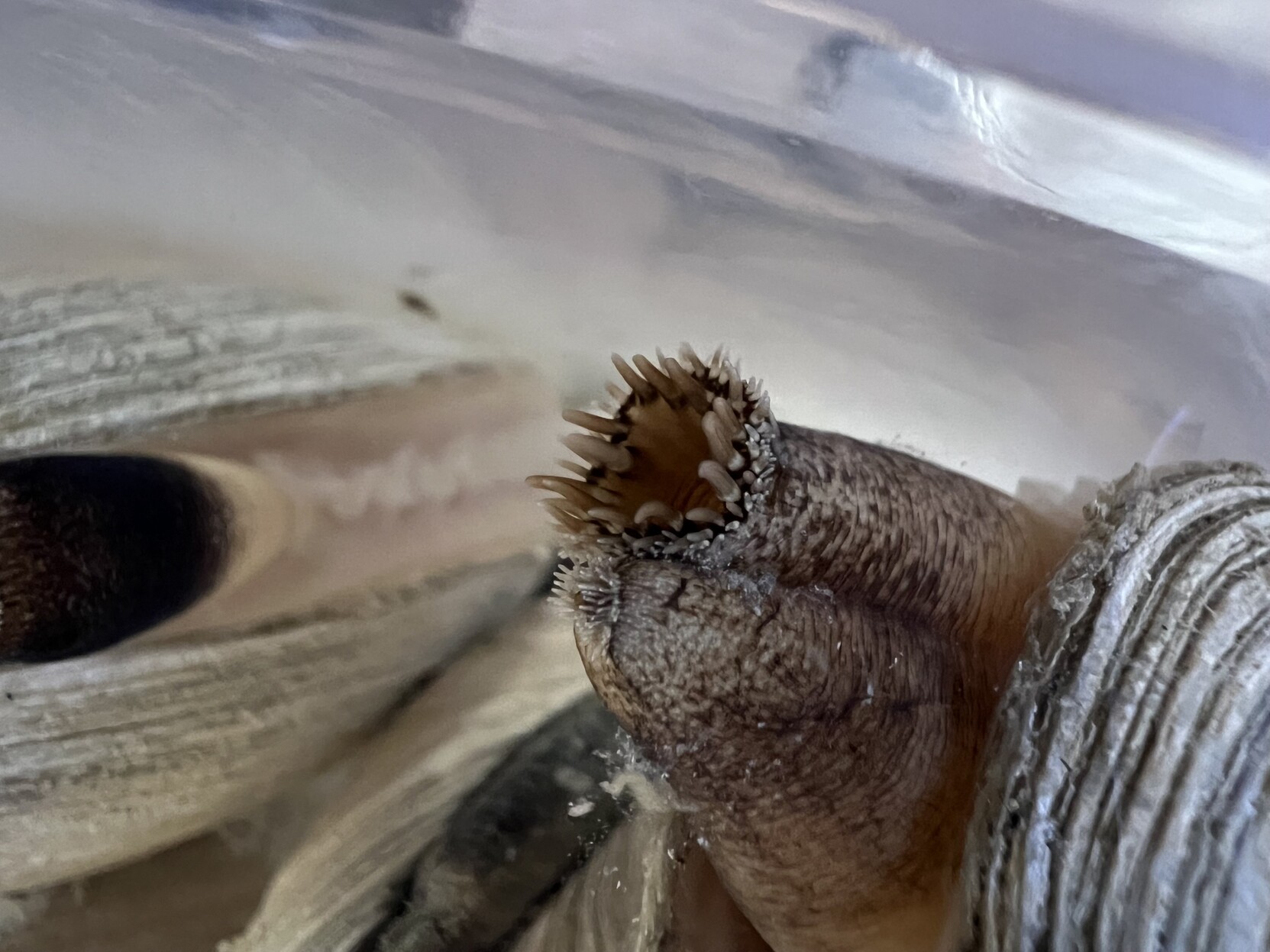
I was last week old when I learned that clams have two siphons (incurrent and excurrent), and have very active cilia at the ends of those siphons… the bucket contains littleneck, Manila, butter, and geoduck clams (the geoducks were placed back). The macro photos are of the butter clam siphons during the purging stage, pre-chowder. #clams #clamming #beachcombing #bc
🌸🌹2ck 🌱🐇
boosted

Mozilla's Mastodon instance is now live
https://blog.mozilla.org/en/mozilla/mozilla-social-mastodon-private-beta-announcement/
🌸🌹2ck 🌱🐇
boosted

Hey! If of interest, here's my keynote for the opening of this year's KDocs Film Festival in Vancouver with our documentary The YouTubeEffect which is coming out wide soon!
I follow @boilingsteam
it's not high volume, and I'm not much of a gamer, but as someone who struggled thru getting WINE to play games before Proton got started, and when intentionally supporting Linux from the start was a real *statement*, it's cool to see how much the space has changed
@CliffWade @peterdrake following peertube from a masto account works. you get links to posted videos in your feed. I subscribe to one. I recall it was awkward getting the account name, searching from this account, then adding
@CliffWade wow. I guess I'm an outlier. I have four accounts that I *actively* use (mostly for the run-off I want to divert from this account), but I also have a pixelfed which sees almost no use
🌸🌹2ck 🌱🐇
boosted

And here's something of a redux of the first, with the finished(ish) shader, and a bit more work on the particle motion. I think that's quite lovely.
#Blender3D #B3D #GenerativeArt #3DArt #Astronomy
🌸🌹2ck 🌱🐇
boosted

This older comic is making the rounds again! Here's a guide to bird photography.
🌸🌹2ck 🌱🐇
boosted

#Toronto people, we're cleaning out the basement and I found this old (circa 1990s) collection of TTC transfers and I was wondering if anybody wants it for preservation/nostalgia reasons or knows a place that would? Every station (built at the time) is there
@est I guess that's a no, then? I think you're missing out on a lot of the most fascinating parts if you stop there. It's really satisfying because Howey actually ties up most of the loose ends in Wool, connecting up moments from Wool with Donald Keene's experiences.
🌸🌹2ck 🌱🐇
boosted


"Welcome to our gander reveal party!"
"Don't you mean..."
"No."
Geese emerge from everywhere. There are no fireworks. Only geese. There are no balloons. Only chaos. There are no genders. Only honk.
@est eh, he's a normal amount of muscular.
I love the Silo series though. For a while I seriously thought, "you know...it could be done..." about how the Silo world got the way it is.
Did you like the series?
🌸🌹2ck 🌱🐇
boosted

My cat is a Small Language Model. His outputs include yelling and purring. He accepts prompts but they don't change the output much. Still, he improves my life and helps me code sometimes
🌸🌹2ck 🌱🐇
boosted

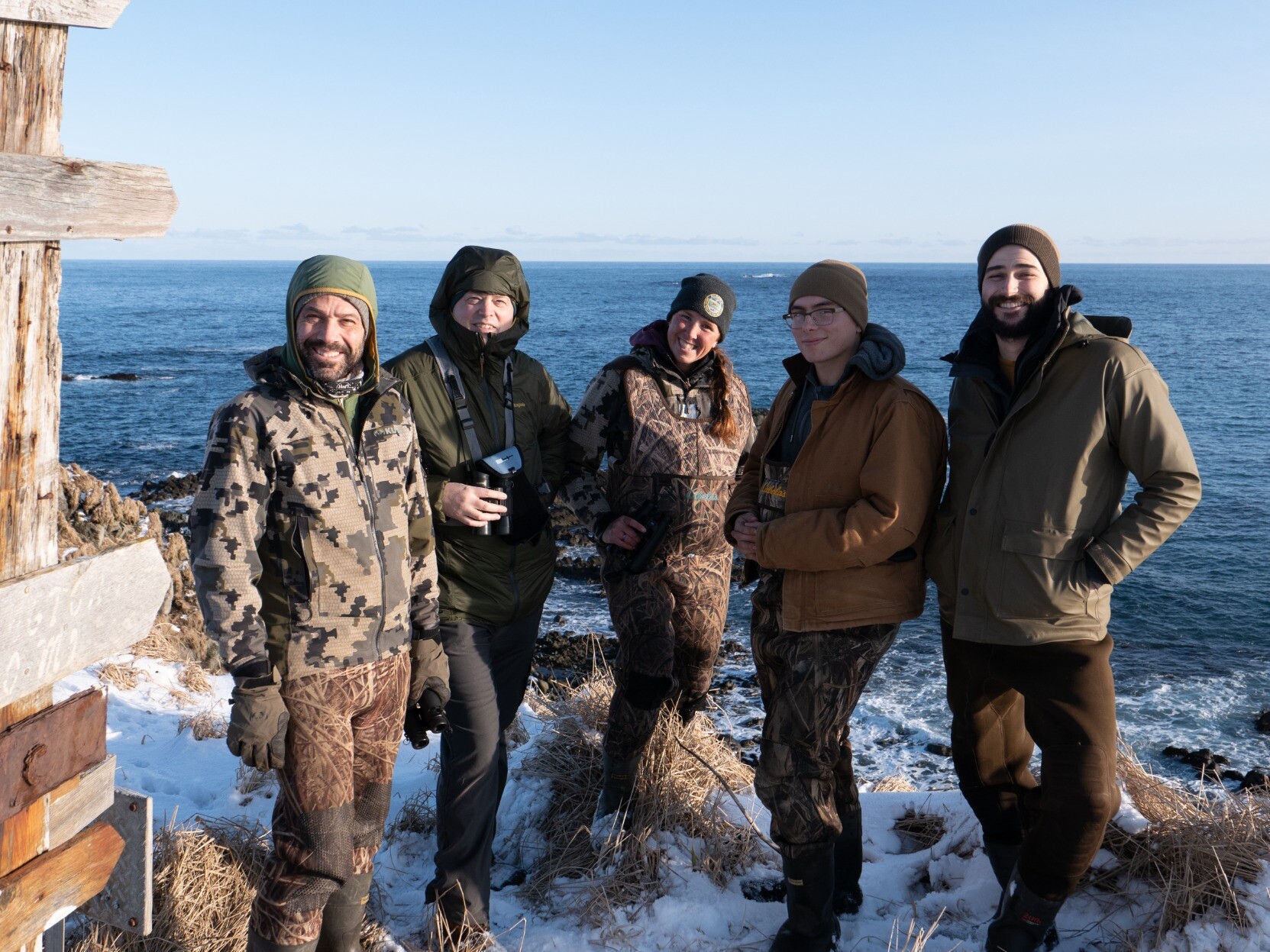
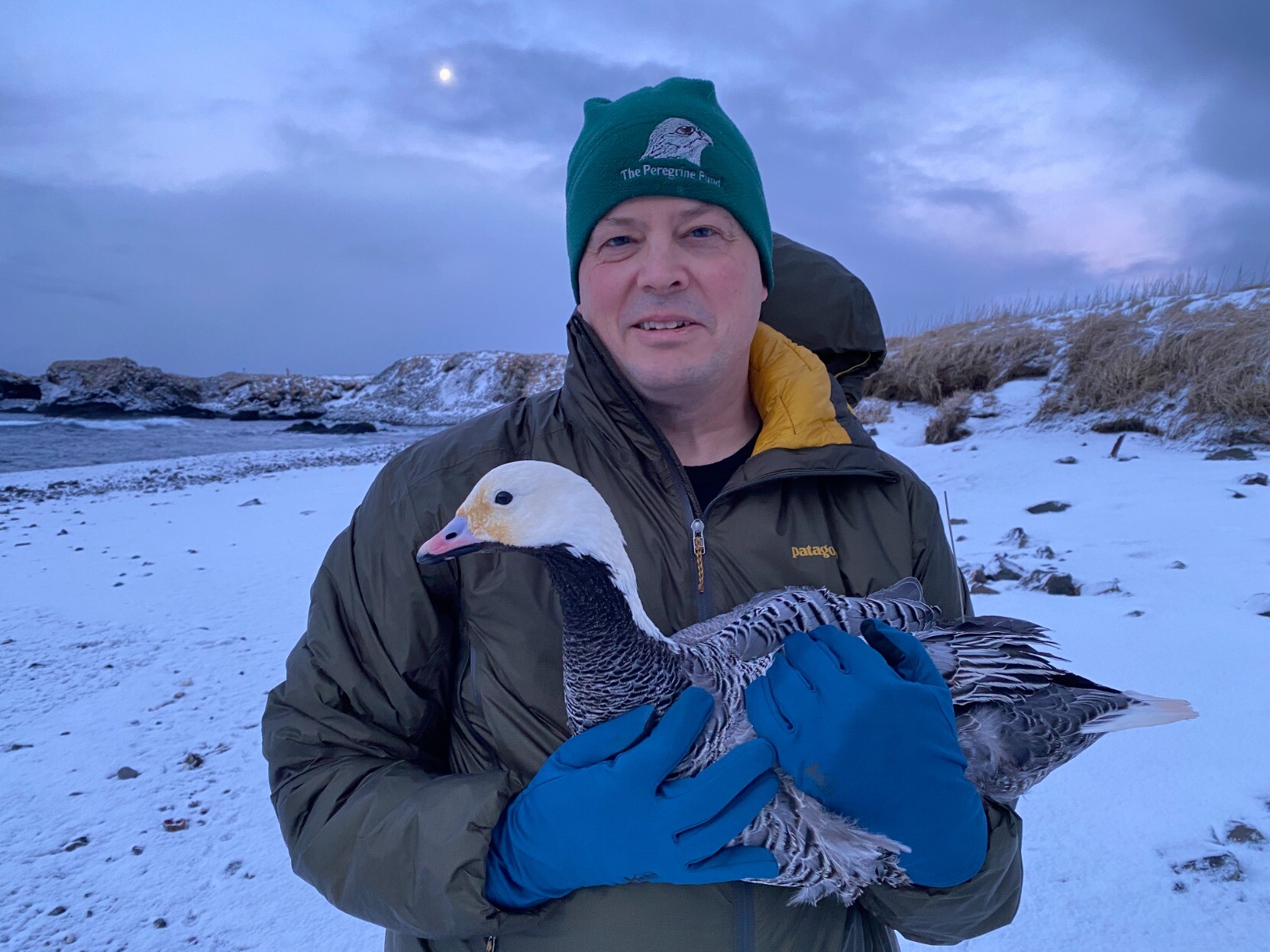
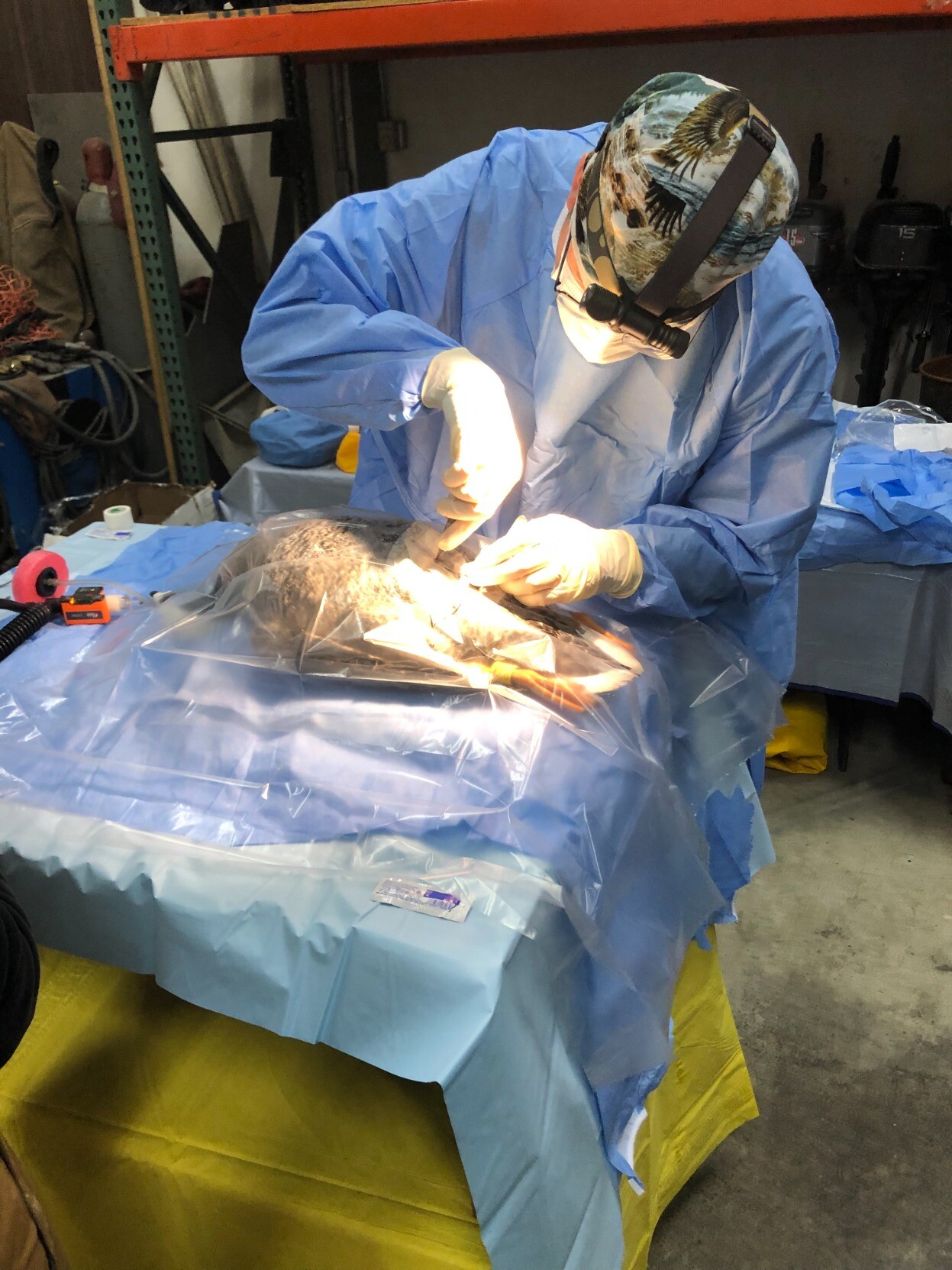
I started working with Alaska Dept Fish & Game to surgically place trackers in emperor geese in 2019. Since then, we've implanted 189 over 8 different trips, mostly to remote areas with no electricity. It's been a fun challenge with a lot of hard work by many people. Our survival rates have been phenomenal. The data collected has already taught biologists a lot about this remote species, helping to make informed decisions for conservation and for management of an important food resource for Alaska natives. Slowly, the transmitters that were designed to last 18-24 months are starting to blink off after almost 4 years of faithful service. Seeing those dots on a map, moving around, living their lives has been really cool. It's a little sad to lose touch but they've more than "earned" the chance to live the rest of their lives in privacy and peace, swallowed up in a vast wilderness where they rarely see humans. Good luck to them!
#birds #research #geese #tracking #conservation
A capable software engineer and aspirating (sic) cook. Also posting about space stuff (mostly NASA) occasionally
pronouns: he, him
Joined Apr 2020
🌸🌹2ck 🌱🐇's choices: