

Christian Wilms @ChrisWilms23@social.cleverlibre.org
Learning skiff sailor, former cell watcher, endless dinghy builder, dabbling woodworker, budding star gazer.
Joined Nov 2022
Christian Wilms
boosted

Dennett: "This is the real code red. We need to “institute new attitudes, new laws, and spread them rapidly and remove the valorization of fooling people, the anthropomorphization,” he said. “We want smart machines, not artificial colleagues.”"
Anyone with a financial interest in AI/ML should be considered too compromised to have an honest opinion on these topics.
https://nymag.com/intelligencer/article/ai-artificial-intelligence-chatbots-emily-m-bender.html
Christian Wilms
boosted

The best thing I've seen written on Musk and Twitter is this random YouTube comment (that I can't find a way to link to directly)
Christian Wilms
boosted

RT @EuLiMI1
The 22nd ELMI Meeting will be held June 6-9 2023 in The Netherlands. https://elmi2023.eu/
Session topics:
*Functional imaging
*New technologies
*Data management and analysis
*Intravital & light sheet
*CLEM and High content imaging.
Abstract submission deadline 31 March 2023
Christian Wilms
boosted
RT @EuroBioImaging
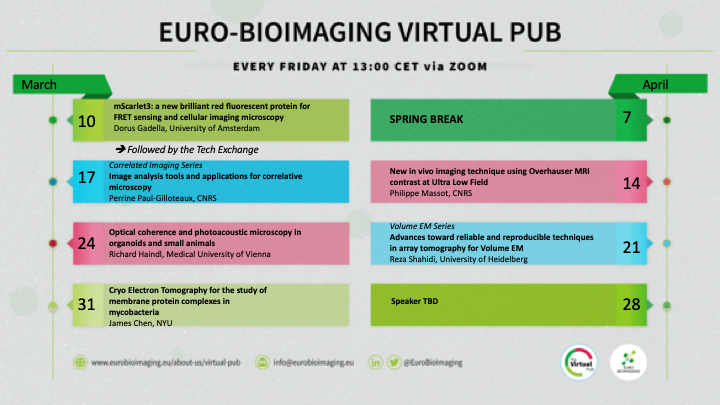
The #VirtualPub will take a break this Friday, March 3, but don't despair 😎! Many exciting events are planned for March & April 2023. All are welcome to join on 🗓️Fridays at 13:00 CET!
Download our calendar 👉
https://www.eurobioimaging.eu/upload/VirtualPub_March_April_Calendar_2023.pdf
Register⤵️
https://www.eurobioimaging.eu/about-us/virtual-pub
Christian Wilms
boosted

For those yet to see it: Europe's sleeper trains, mapped... https://files.wegewerk.com/index.php/s/Mr8WX7WMT5gd66a (Paris-Italy, and into Spain - those yawning gaps in the network just scream 'fill me!' don't they...)
Christian Wilms
boosted

So we just made an Open Access Biological Psychology textbook! It was the result of lots of work by many lovely contributors in Sussex and around the UK but you can read it For Free ANYWHERE!! Https://openpress.sussex.ac.uk/introductiontobiologicalpsychology/ #psychology #neuroscience #openscience
Christian Wilms
boosted

Roses are red.
Roses are blue.
Depending on their velocity
relative to you.
Christian Wilms
boosted

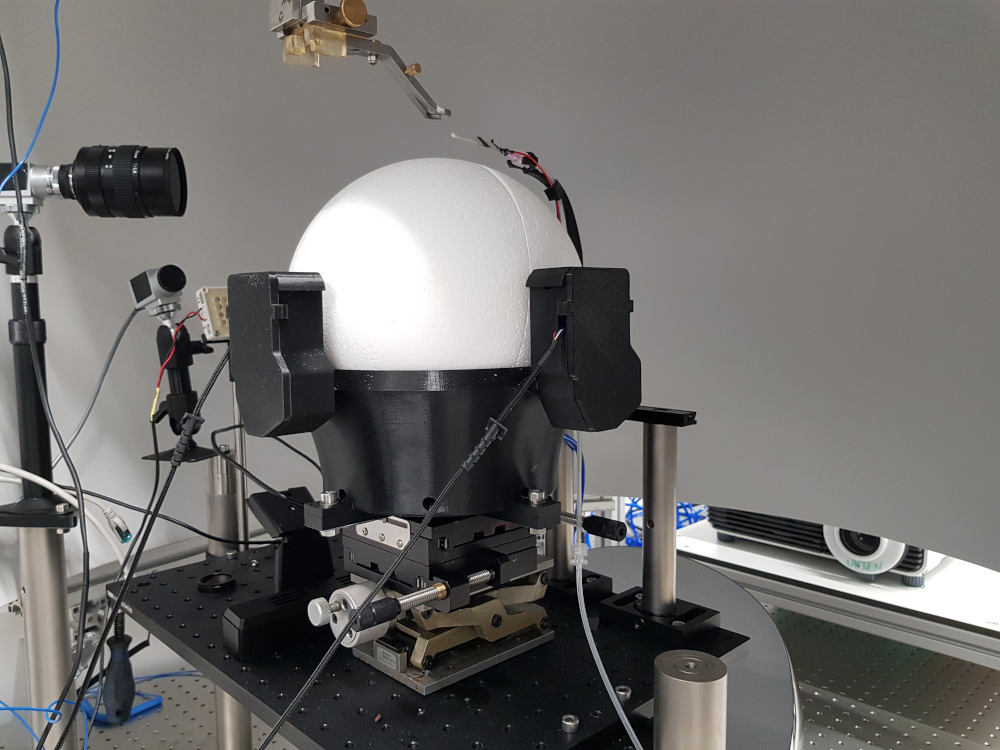
We have updated the documentation of our spherical treadmill for mouse VR experiments with some notes on computer mouse readout and VR software integration: https://www.3dneuro.com/open-hardware/spherical-treadmill/ #openhardware #opensource
Christian Wilms
boosted

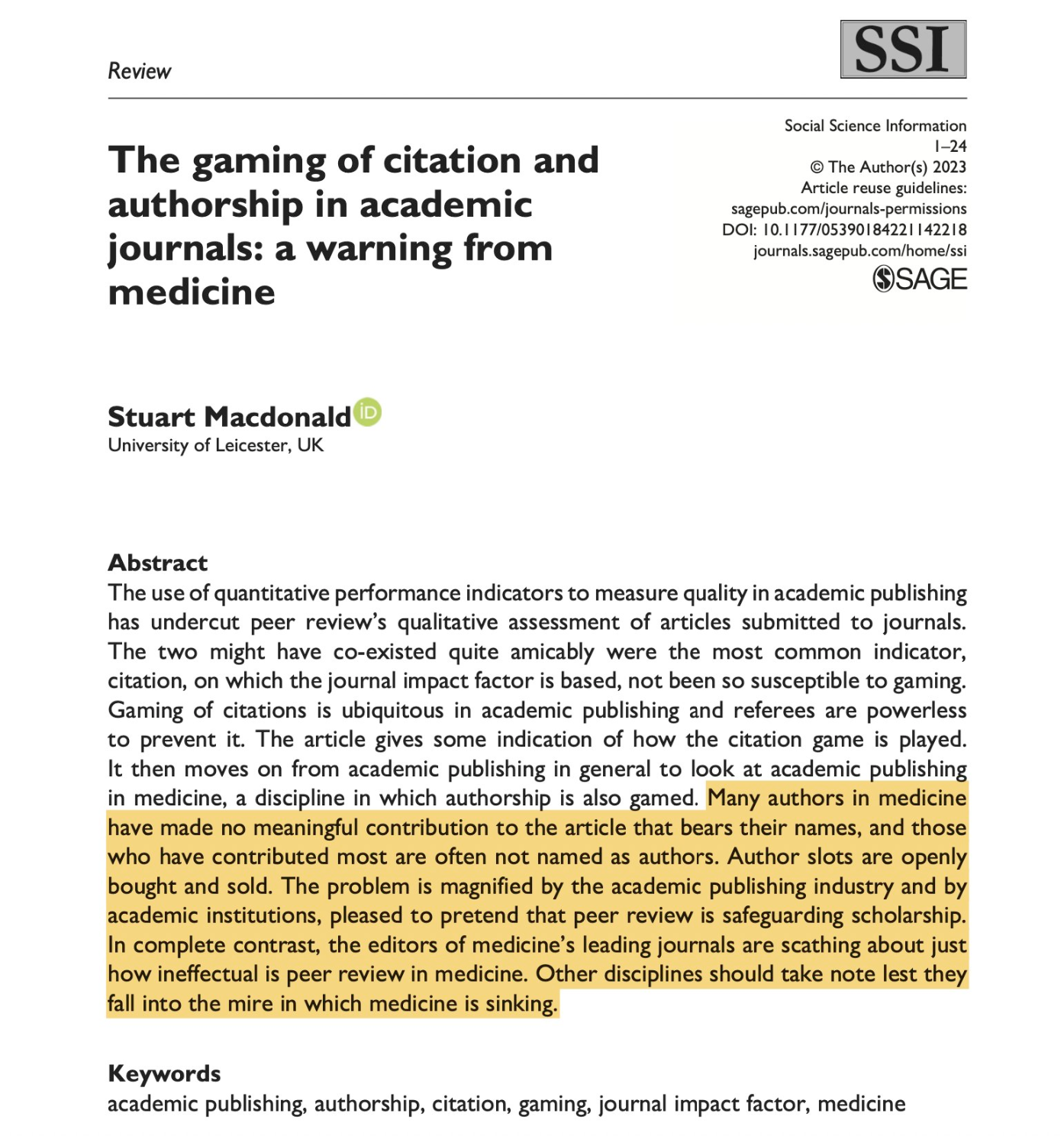
I wanted to write something like, "oh you don't say" but this is *actually* a brutal read
https://journals.sagepub.com/doi/full/10.1177/05390184221142218
Christian Wilms
boosted

Die drei Stufen der sog. Eigenverantwortung:
1. Ich mache nichts, es gibt ja noch nicht mal eine Empfehlung.
2. Ist ja nur eine Empfehlung, so wichtig ist das offensichtlich nicht.
3. Ich lass' mir doch nichts vorschreiben.
Christian Wilms
boosted

a beautiful highlight of the microscopy by the Prevedel Lab: imaging 1.5mm into the brain #3Pmicroscopy #adaptiveoptics
Christian Wilms
boosted
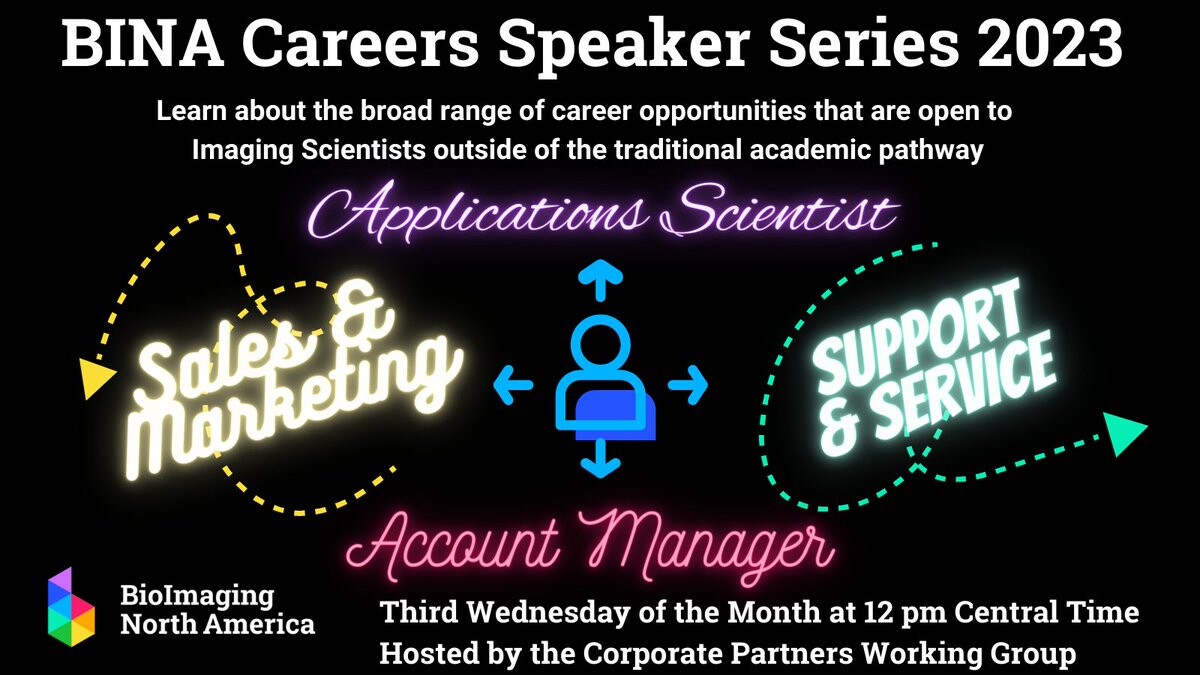
Really looking forward to this from fabulous BINA crew!
A seminar series on Career Paths for the #ImagingScientist 🪜🔬
---
RT @BioimagingNA
Surprise 🎉 We have a second speaker series!
Curious to learn about the career paths of #ImagingScientists outside the traditional academic pathway?
Attend BINA’s Careers Speaker Series on the 📅Third Wednesday of the month at 12 CT /1 ET
Register:
https://www.bioimagingnorthamerica.org/events/c…
https://twitter.com/BioimagingNA/status/1621539515255984131
Christian Wilms
boosted

Our latest paper on our two-photon targeted multi-patch-clamp platform is now updated on biorXiv.
GI Vera Gonzalez, PO Kgwarae and SR Schultz (2023), Two-photon targeted, quad whole-cell patch-clamping robot. To be published in Proceedings of the 11th International IEEE/EMBS Conference on Neural Engineering, Baltimore, USA 2023.
https://www.biorxiv.org/content/10.1101/2022.11.14.516499v2.full.pdf
Christian Wilms
boosted

Bei Menschen mit überstandener #COVID19-Infektion werden #Autoimmunerkrankungen häufiger diagnostiziert als in einer Kontrollgruppe ohne dokumentierte COVID-19-Infektion. Das ergeben Analysen umfangreicher Krankenversicherungsdaten.
➡️ https://www.medrxiv.org/content/10.1101/2023.01.25.23285014v1
Die Studie ist Teil des vom Robert Koch-Institut geleiteten und vom Bundesministerium für Gesundheit geförderten Projektes „Postakute gesundheitliche Folgen von #COVID19“.
➡️ https://www.rki.de/DE/Content/InfAZ/N/Neuartiges_Coronavirus/Long-COVID/Projekt-Post-COVID.html
Christian Wilms
boosted

College essay assignment: use ChatGPT to write an essay on the following topic. Print it out and, by hand, grade and critique the essay, showing where it is wrong(based on what we’ve learned in class), inadequate or where the writing is clichéd or otherwise less than excellent human quality.
Christian Wilms
boosted

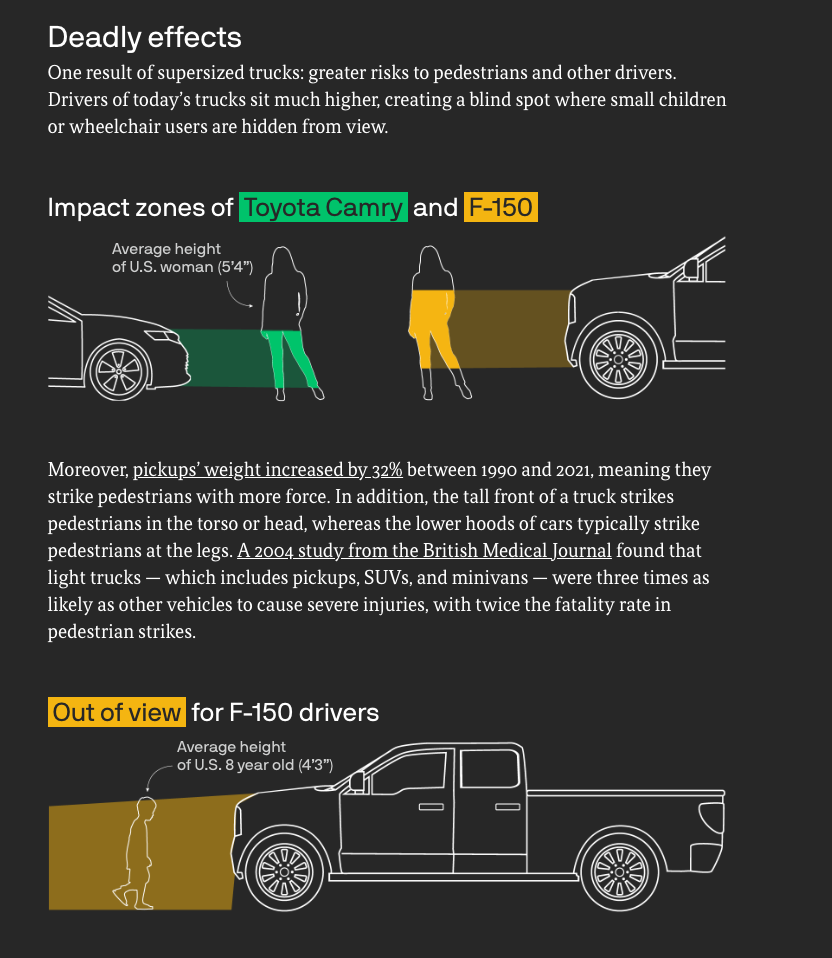
Love this Axios Visuals look at the evolution of pickup trucks and their popularity in the US (and how they are used for shopping / daily driving much more than hauling boulders) . This view of the inversion of the ratio between cab and cargo bed tells the story. https://www.axios.com/ford-pickup-trucks-history
Christian Wilms
boosted

Reflecting back on things certain people told me were dangerous. Rock music. Dungeons & Dragons. LGBTQ+ peeps. Drag Queens. Immigrants. CRT. Black Lives Matter. Vaccines.
Some of y’all are just scared & constitutionally wrong. Grow up. Contribute, rather than sowing fear.
Christian Wilms
boosted





@trose_neuro How convenient. 7 schools prior to university, some for only a few months - I wouldn't even know where to begin. Feel a tad if relief that I won't get into a situation of needing the DFG anymore. 😁
Random musings of someone who left academia on the publishing industry from a #CompetitiveStrategy point of view.
Looking at the structure of the academic publishing industry, the average profit in the entire industry should be very high. Looking at it using #MichaelPorter's #FiveForces as a framework, you will struggle to find an industry as prone to profits:
The rivalry within the publishing industry seems low, but is the only one of the five forces that is likely to limit profits.
The buyers (the researchers as readers through their institutions) are generally weak - the need for access to these journals is high and it has to be specific journals, limiting the ability of buyers to believably threaten to take their business elsewhere.
The suppliers (the researchers as authors) are generally weak as well. Simply because the selection of where one can publish and advance their career is very limited.
The threat of new entrants to the market is exceedingly low. One due to the high costs of entry and two due to "brand loyalty" of the buyers and suppliers.
That leaves the fifth force: risk of substitution. Thus would mean a complete replacement of the current publishing system with a move to post hoc review, funding agency funded publication servers, etc. Again, given the academic incentive model, the risk of this is low.
When all of these five forces are low or weak, the average profit in that industry will be high.
What is really interesting, and ultimately promising that the reason they are weak in this case always comes down to a single factor: that success in academic careers is tied to publication in "high impact" journals. The instance that scientists are judged by a different metric, the whole structure of the publishing industry changes fundamentally.
Learning skiff sailor, former cell watcher, endless dinghy builder, dabbling woodworker, budding star gazer.
Joined Nov 2022
