

Thomas Ulich @MiVyoo@social.cleverlibre.org
This is MiVyoo, not YoorVyoo. Facts are facts, my opinions are mine. Space Scientist, Photographer, #AvGeek, Glider Pilot @ EFSO, 67°25’N 26°35’E. Twitter-Escapee (@MiVyoo). #IAmEuropean🇪🇺 #StandWithUkraine🇺🇦 Insta: @MiVyoo
Joined Nov 2022
Thomas Ulich
boosted

RT @Biz_Ukraine_Mag@twitter.com
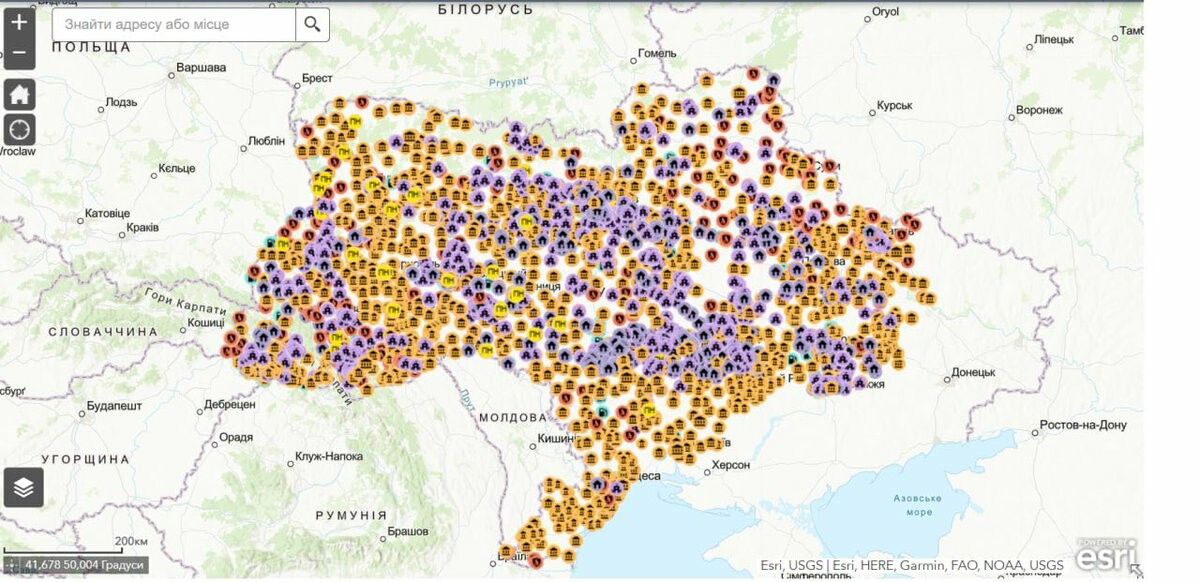
The Ukrainian government has established 3720 hubs around the country offering heating, electricity, water, internet, and medicine. This network will have a vital role to play during the coming winter months as Putin seeks to destroy the country’s critical civilian infrastructure
🐦🔗: https://twitter.com/Biz_Ukraine_Mag/status/1595819612779995137
Thomas Ulich
boosted

Recalling the course of the #Russia's invasion in #Ukraine since February, I have just realised that the largest advantage of Ukraine and its allies is not weapons or economy — it's the ability to maintain robust institutions.
By that I don't mean any particular ministries or agencies, but rather the way of organising human society in a way that minimises our built-in biases and limitations, while maximising evidence-based decision making, often against our own hunch or instincts.
Behind the Ukraine's successful defence and counteroffensives, there's effort of thousands of experts on military tactics, supplies, logistics, weapon systems, planning, diplomacy, economy, foreign relations and whatnot. President Zelensky and other highly visible figures do great job too as leaders, but no amount of leadership can replace this "hidden layer" of expertise that is not only competent, but most importantly is being used in the right way.
All that is in stark contrast to Russia, where there's plenty of expertise on the medium level, but it's being largely wasted, and the amount of frustration by this waste I'm seeing in Russian channels on Telegram is overwhelming. But that's kind of what they wanted — the whole "Russian world" model is based on rejection of any "modern" inventions: consensus is replaced by a single man's command, expertise and evidence is replaced by authority, horizontal structures and autonomy of medium-level command is replaced by rigid vertical command, reason is replaced by "sacred anger".
In general, in the Russian system any cognitive bias is not levelled but actually reinforced, creating a fantastic positive feedback of small ground-level bullshitting getting amplified to even more fantastic strategic mistakes of disastrous scale, while the lower ranks scratch their heads and console themselves thinking these "must be part of some larger genius plan".
If you wanted to illustrate this thinking, recent Zelensky's visit to Kherson served a perfect example: TV hosts in Russian TV were furious "why didn't we bomb him, ending the war in one day?!" That's 100% thinking by Russian culture, where everyone realizes there's only one factor separating the war from peace: Putin. Zelensky himself highlighted a few times that's he's just an elected official and if he's killed, someone else will simply take his place, but the actual effort is done by millions of Ukrainians on the ground. That's institutional thinking.
So, with all the strategic and tactical mistakes made by the EU countries, US, Ukraine prior and during the war, I think we're doing pretty well, specifically thanks to the consensus about mistake-cancelling effect of robust civic institutions and command structures.
As with all dynamic systems, these do not guarantee absence of mistakes, but significantly reduce their impact and especially chances of accumulation of these mistakes below the threshold resulting in collapse of social structures.
So, cheers to all these smart people who work tirelessly on Ukraine's victory, and keep up the good work!
By that I don't mean any particular ministries or agencies, but rather the way of organising human society in a way that minimises our built-in biases and limitations, while maximising evidence-based decision making, often against our own hunch or instincts.
Behind the Ukraine's successful defence and counteroffensives, there's effort of thousands of experts on military tactics, supplies, logistics, weapon systems, planning, diplomacy, economy, foreign relations and whatnot. President Zelensky and other highly visible figures do great job too as leaders, but no amount of leadership can replace this "hidden layer" of expertise that is not only competent, but most importantly is being used in the right way.
All that is in stark contrast to Russia, where there's plenty of expertise on the medium level, but it's being largely wasted, and the amount of frustration by this waste I'm seeing in Russian channels on Telegram is overwhelming. But that's kind of what they wanted — the whole "Russian world" model is based on rejection of any "modern" inventions: consensus is replaced by a single man's command, expertise and evidence is replaced by authority, horizontal structures and autonomy of medium-level command is replaced by rigid vertical command, reason is replaced by "sacred anger".
In general, in the Russian system any cognitive bias is not levelled but actually reinforced, creating a fantastic positive feedback of small ground-level bullshitting getting amplified to even more fantastic strategic mistakes of disastrous scale, while the lower ranks scratch their heads and console themselves thinking these "must be part of some larger genius plan".
If you wanted to illustrate this thinking, recent Zelensky's visit to Kherson served a perfect example: TV hosts in Russian TV were furious "why didn't we bomb him, ending the war in one day?!" That's 100% thinking by Russian culture, where everyone realizes there's only one factor separating the war from peace: Putin. Zelensky himself highlighted a few times that's he's just an elected official and if he's killed, someone else will simply take his place, but the actual effort is done by millions of Ukrainians on the ground. That's institutional thinking.
So, with all the strategic and tactical mistakes made by the EU countries, US, Ukraine prior and during the war, I think we're doing pretty well, specifically thanks to the consensus about mistake-cancelling effect of robust civic institutions and command structures.
As with all dynamic systems, these do not guarantee absence of mistakes, but significantly reduce their impact and especially chances of accumulation of these mistakes below the threshold resulting in collapse of social structures.
So, cheers to all these smart people who work tirelessly on Ukraine's victory, and keep up the good work!
Thomas Ulich
boosted

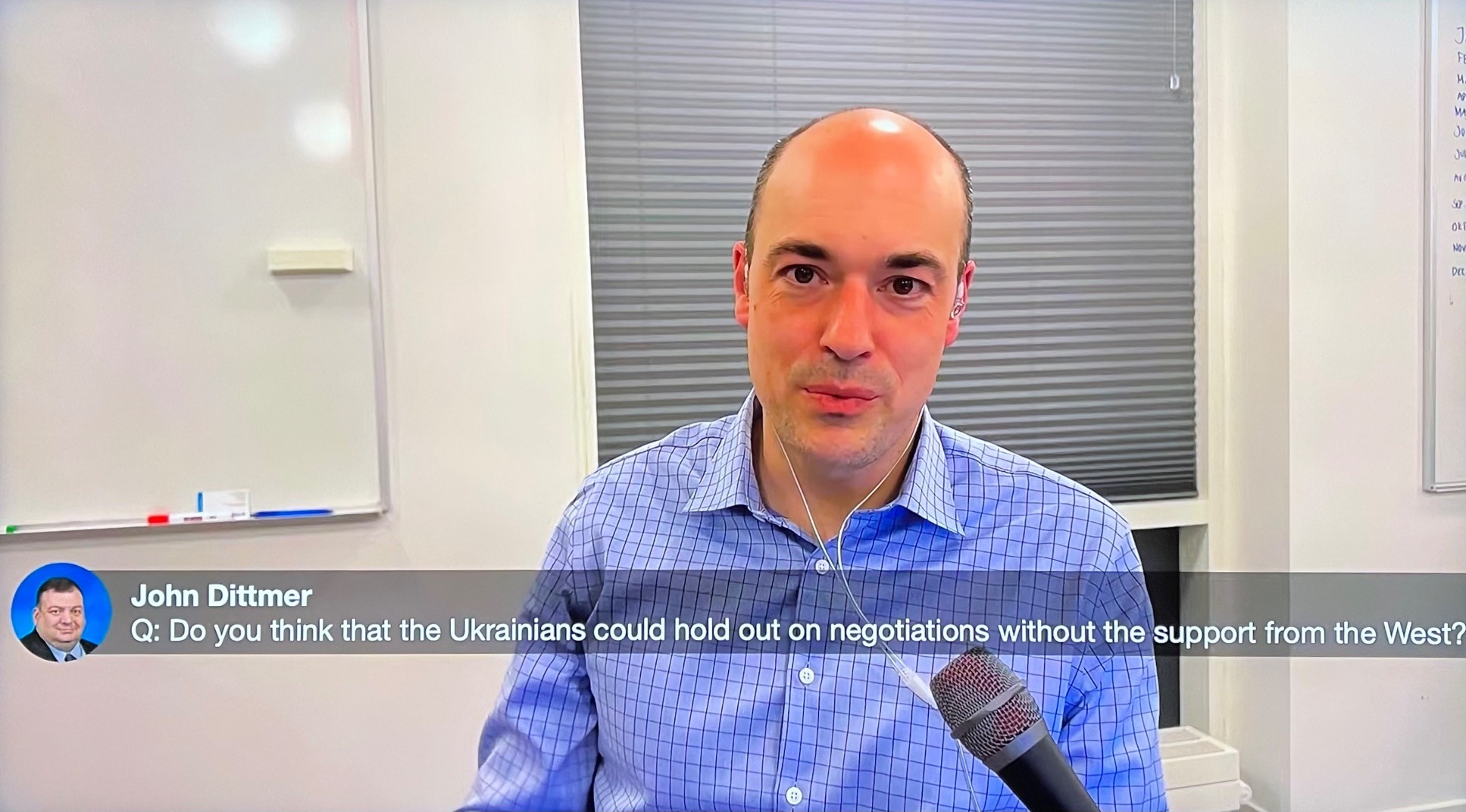
If you want to understand the war in #Ukraine, military analyst @anderspuck just hosted an excellent talk on YouTube answering some of the questions raised about the war. https://www.youtube.com/watch?v=Yhdg_LXE87I
#RussiaUkraine
Thomas Ulich
boosted

I am trying something new on YouTube today: Livestreaming. If you want to hear my explanation about why premature peace negotiations in #Ukraine are dangerous, or if you have some question you want me to address, then you can participate here. It's at 19:30 Copenhagen time. https://youtu.be/Yhdg_LXE87I
Thomas Ulich
boosted

30 Linux System Monitoring Tools Every SysAdmin Should Know https://www.cyberciti.biz/tips/top-linux-monitoring-tools.html
All you need to know about Twitter 2.0: https://twitter.com/JulianRoepcke/status/1594236847974240258?s=20&t=5r8v9eOQAM9DhXt1vqbXww
Thomas Ulich
boosted

Wat ik heb gelezen is: 'Tradition is peer pressure from the dead.'
Vond ik wel treffend. ;)
This is MiVyoo, not YoorVyoo. Facts are facts, my opinions are mine. Space Scientist, Photographer, #AvGeek, Glider Pilot @ EFSO, 67°25’N 26°35’E. Twitter-Escapee (@MiVyoo). #IAmEuropean🇪🇺 #StandWithUkraine🇺🇦 Insta: @MiVyoo
Joined Nov 2022
