

实验楼磷酸盐 @Sapereaude09@social.cleverlibre.org
- 梦见了
- 愿你的意志如刀锋
- 别人的
- 愿你在最后也能踏上雪山
- 经过而
- It is his fate to enter every door.
- 到达
- I was a voice
试图当厨子 或桥
"我祝福你 天地不过一刹那"
Joined Apr 2022
实验楼磷酸盐
boosted

原来在学校官网上看到一个学生的名字,感觉很维吾尔,国籍是中国的,那肯定就是维族了。结果今天国际政治课上在没有小粉红的情况下,就谈到了中国对少数民族的控制和同化。
今天做Pre的同学是一个蒙古族,她迟疑了很久,还是给民主国家的学生们一点点中国震撼。
这包括19-20年她去参加抗议的各种故事,以及最近几年中国对蒙古文化的迫害,还有她的维族同学的遭遇,细节描述了各种监控手段。她也提到了那个在我校的维族校友。后者是最后一批还能逃出中国的维族,现在已经在日本定居,虽然再也联系不上自己的家庭了。
这之后所有学生都震撼了,感觉无法想象二十一世纪还发生这种事情。想去中国留学的,对中国还有一点好感的人瞬间打消了原来的想法。台湾学生则觉得:想过很恐怖,没有想过那么恐怖。
实验楼磷酸盐
boosted

第二章:“从哀悼到呐喊” ——白纸运动&全国反动态清零运动 2022年11月26日23点至27日2点
当这场悼念开始时,没有人意识到它最后将演变成什么。北京大学的家园食堂,一首题诗引发了学生抗议。央戏的老师声援学生,北影的学生高喊“人民万岁”。 在新疆阿克苏,解封后的人民放起烟花。
Everything In Its Right Place怎么竟是23年前的歌
实验楼磷酸盐
boosted

程渊来信了!这是大家伙关注的成果!
因为这是过去一年里我收到的唯一的一封信,我写给程渊的信,在我家人会见程渊时证实全被赤山监狱扣了。
实验楼磷酸盐
boosted

实验楼磷酸盐
boosted


人味,人味,这个国家的人味到底都去哪里了。这条热搜的预览只有“习近平对宁夏银川燃气爆炸事故...”,我还以为习近平要对这个事故“表达关切”之类的,结果还是“作出重要指示”。习近平,你对全世界的发展方向都要作出重要指示,那也只能证明你无限膨胀的ego。现在这是烧烤店爆炸,逝去了31条生命,这个时候你还是放不下你的架子、打着官腔作指示,而不是安抚死者的家人和朋友?而这个所谓指示的每一个字都是熟悉的党八股,到了这般地步还要隐隐炫耀自己和中共党的权威。真该死啊
实验楼磷酸盐
boosted

三月时因为白纸被国安找了,五月初投递了交流项目的申请,月底通过面试选上了,六月初收到对方学校的admission letter并支付了相关费用。
刚刚,就在几个小时之前,学院老师给我打电话说,学校复核名单时发现了我,学工提出建议取消我的交流。联系我的老师是一个好人,之前我们也多有接触;学院这两年虽然愈发狼奔豕突,但教学这条线上的几个老师都还在努力做一些不愧于良心的事。老师在电话里说,现在制度如此,其实乌鲁木齐中路的事情我也能理解。不管怎么样,学院还是希望你可以过去读书。你在那边小心点,参加活动、认识人的时候,都注意一些。学院以前会让学生写保证书,我觉得没有这个必要。说实话,我也不知道要让你保证什么。
太久没有在这里听到人字正腔圆地说出“乌鲁木齐中路”这几个字(甚至是在wx电话!),以至于那一瞬间我感到心悸。老师向来是为人审慎不爱多话的性格,但不知为什么他又补充说,香港那边环境总归更自由一些。不过比起十年前我读书的时候,现在的香港也可能不再是过去的香港了。我低声应是。
如果说在整个申请过程中从来没担心过因为被请过喝茶而被卡审核,那是撒谎。但当我真切听到“学工的老师因此觉得你可能不太合适”时却还是止不住地浑身发抖。我不知道为什么在发抖。
但在这里生活二十几年,我不知道为什么的事情已经足够多,大概加上这一件也不嫌多。
实验楼磷酸盐
boosted

实验楼磷酸盐
boosted
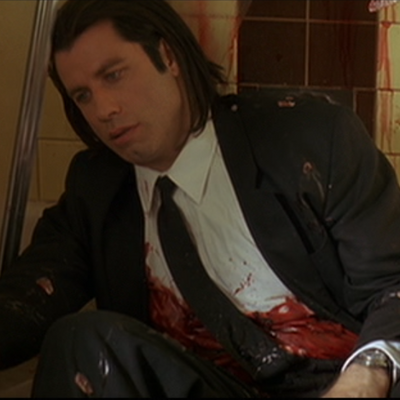
本来十二点都要睡了,结果在b站上刷到一个做猫舍的up主猫眼视界讲猫品种历史,听着挺不错,点进主页,发现人主要更新中国宠物猫繁育业内幕。好家伙还好已经放假了不用上班,59期纯纯人类学素材,看俩小时才看了一小半,这几天干家务不愁没podcast了
主题包括协会怎么圈钱,血统证怎么办,赛级猫怎么回事,后院猫是怎么回事,猫怎么层层分销,繁育者的生态链怎么构成,全国的猫怎么都来自东北,还有还没看但我认为超级有意思的从繁育行业角度切入虐猫视频产业链等等等等等
推荐给对猫有兴趣的朋友
实验楼磷酸盐
boosted

实验楼磷酸盐
boosted

实验楼磷酸盐
boosted

之前同事介绍相亲,觉得我太小了而且看上去不像贤妻良母就没有找我,一看班主任朋友都当班主任了责任心很强,而且比较成熟稳重,遂给班主任朋友介绍相亲。
谁知看似最符合贤妻良母形象的班主任朋友(政治老师)竟然口出狂言:恩格斯说过婚姻就是保障每个男人都能拥有属于他的奴隶。
我笑得发疯
说到底它们也并非对立,而且打底的如果是对此艺之诚,就都比玩弄概念油腔滑调得过且过的好吧。
比较好笑的是,我网易云曾经留过一条评论,昨天时隔很久登上去发现咣咣被点上热赞,是讲他们三的储备凑起来做音乐实在是非常自如。于是乎又,按理说技术扎实工具箱丰富是有利于表达的,有词典才好拣出最合适有效的词句,除非那个要表达的源头确实比较单薄,多少也是个体经历与质地(不想讲性格,是一个更宽更韧也能被拓印的存在吧)所限了。
我对这个东西的想法估计是变化了,找不到之前的什么记录所以无法确切比较,但从技术出发去构建精巧但或许浮动的展现,和从情绪/体验出发去检索或许粗糙的表达,我现在是都可以接受欣赏的。
这问题肯定是累积出来的,但前面一事接一事没时间记下来去追踪,最近的由头是回头听了国内一个乐队,在前两年看过的现场里值回票价的我肯定首选他们。
他们最受批评的是有技巧没感情,歌词空洞,没有内核表达。歌词我是懒得看了确实不行,人声我当辅助乐器听,作为消费者觉得现场听好技术堆起来的音乐蛮好的,音乐有抽象空间,也不至于像有些炫特效电影非要把故事扔你脸上躲不开。
于是乎又想起水发过,情绪化的电影是好电影吗?他问这句的语境我无从得知,但忽然也开始想这个问题。
胡言乱语串,想到哪说哪,主要问题是,作品里的情绪表达
估计是下一个要做的影像文本,放一下
Before the Law
Kafka
Before the law sits a gatekeeper. To this gatekeeper comes a man from the country who asks to gain entry into the law. But the gatekeeper says that he cannot grant him entry at the moment. The man thinks about it and then asks if he will be allowed to come in later on. “It is possible,” says the gatekeeper, “but not now.” At the moment the gate to the law stands open, as always, and the gatekeeper walks to the side, so the man bends over in order to see through the gate into the inside. When the gatekeeper notices that, he laughs and says: “If it tempts you so much, try it in spite of my prohibition. But take note: I am powerful. And I am only the most lowly gatekeeper. But from room to room stand gatekeepers, each more powerful than the other. I can’t endure even one glimpse of the third.” The man from the country has not expected such difficulties: the law should always be accessible for everyone, he thinks, but as he now looks more closely at the gatekeeper in his fur coat, at his large pointed nose and his long, thin, black Tartar’s beard, he decides that it would be better to wait until he gets permission to go inside. The gatekeeper gives him a stool and allows him to sit down at the side in front of the gate. There he sits for days and years. He makes many attempts to be let in, and he wears the gatekeeper out with his requests. The gatekeeper often interrogates him briefly, questioning him about his homeland and many other things, but they are indifferent questions, the kind great men put, and at the end he always tells him once more that he cannot let him inside yet. The man, who has equipped himself with many things for his journey, spends everything, no matter how valuable, to win over the gatekeeper. The latter takes it all but, as he does so, says, “I am taking this only so that you do not think you have failed to do anything.” During the many years the man observes the gatekeeper almost continuously. He forgets the other gatekeepers, and this one seems to him the only obstacle for entry into the law. He curses the unlucky circumstance, in the first years thoughtlessly and out loud, later, as he grows old, he still mumbles to himself. He becomes childish and, since in the long years studying the gatekeeper he has come to know the fleas in his fur collar, he even asks the fleas to help him persuade the gatekeeper. Finally his eyesight grows weak, and he does not know whether things are really darker around him or whether his eyes are merely deceiving him. But he recognizes now in the darkness an illumination which breaks inextinguishably out of the gateway to the law. Now he no longer has much time to live. Before his death he gathers in his head all his experiences of the entire time up into one question which he has not yet put to the gatekeeper. He waves to him, since he can no longer lift up his stiffening body.
The gatekeeper has to bend way down to him, for the great difference has changed things to the disadvantage of the man. “What do you still want to know, then?” asks the gatekeeper. “You are insatiable.” “Everyone strives after the law,” says the man, “so how is that in these many years no one except me has requested entry?” The gatekeeper sees that the man is already dying and, in order to reach his diminishing sense of hearing, he shouts at him, “Here no one else can gain entry, since this entrance was assigned only to you. I’m going now to close it.

实验楼磷酸盐
boosted

2023/06/04 - 02 时
操操,你还在听吗?又是一年
我不知道你是怎么捱过6月3日的夜,耳畔是一个民族的呜咽,令人难以入睡。
我们会埋葬他们
发生过的一切都与我有关
我已等了三十四年,还要等待多久呢。
因为关爱是通过记忆来起作用的
难道都能忘记得如此彻底
感觉自己养胃了
跟不喜欢小猫的人没什么好讲的
There would be no dance, and there is only the dance.
那枚灰色的变质的月亮
留下来的,是永恒的垃圾
用弹弓打下来的月亮
群星的音乐经过了它,穿透了它,然后逝去
操!
实验楼磷酸盐
boosted




见过自己的亲人死后,看遗容需要排号进入,不许烧纸、不许摆花、不许奏乐、不许停灵超过48小时,在自己面前多具尸体排队被推入焚烧炉,你在后面捧着一个批量生产的骨灰盒等捡骨之后,我就明白,生的教育缺失,不对意外怀孕和流产恐惧不可怕,死的教育和尊重缺失,从被迫拿自己的亲人做物品开始。
死不是重大的事。至少在东北,能且敢为死者送行,拒绝按要求走行政流程是一种极度高昂的特权——有钱都不行。
东北的畸形在于,生是独生子女好,少生优生,多出的要被堕掉。死是火葬利国利民,迁坟可以拿国家补助,火化15年后仍在排队等墓地安葬是普遍存在的现实。
人类是物品,要符合国家利益被妥善安放,要有用,否则去死是一种“他家人也是解脱了”。
作者的田野调查在上海,钱仍然是有效的。她如果再走走,去见见钱也无效的土地,去见见人不如牲畜的地界,除了对生命感觉虚无之外,不可能不恨此地拿人不当人的普遍现实。
- 梦见了
- 愿你的意志如刀锋
- 别人的
- 愿你在最后也能踏上雪山
- 经过而
- It is his fate to enter every door.
- 到达
- I was a voice
试图当厨子 或桥
"我祝福你 天地不过一刹那"
Joined Apr 2022
