

YabosMcGee @YabosMcGee@social.cleverlibre.org
Joined Nov 2022
YabosMcGee
boosted

There are a lot of people on Twitter who fashion themselves as champions of free expression but they seem pretty uninterested in my report about a systematic attack on academic freedom in Florida
YabosMcGee
boosted

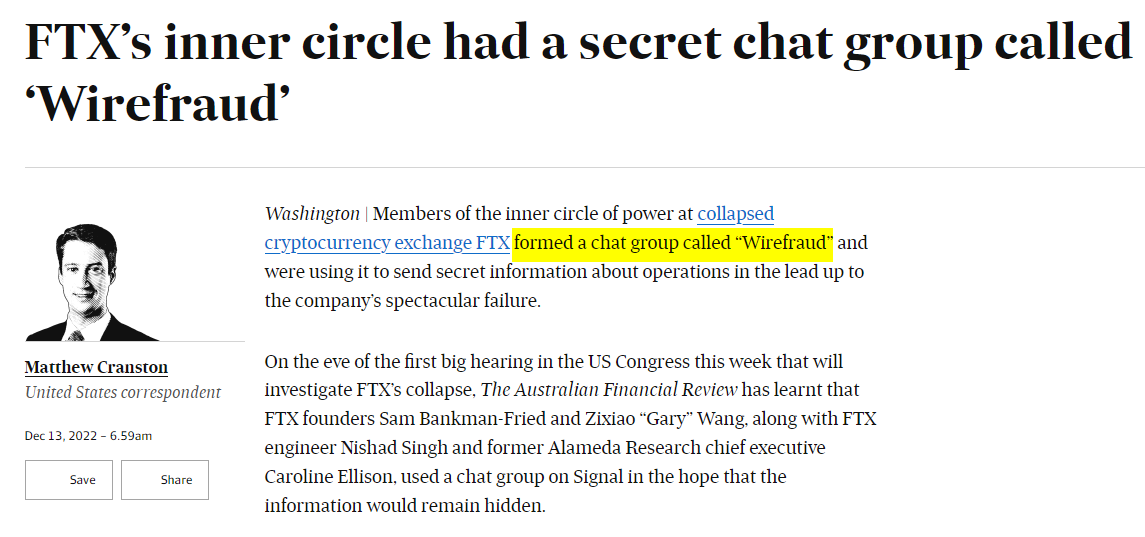
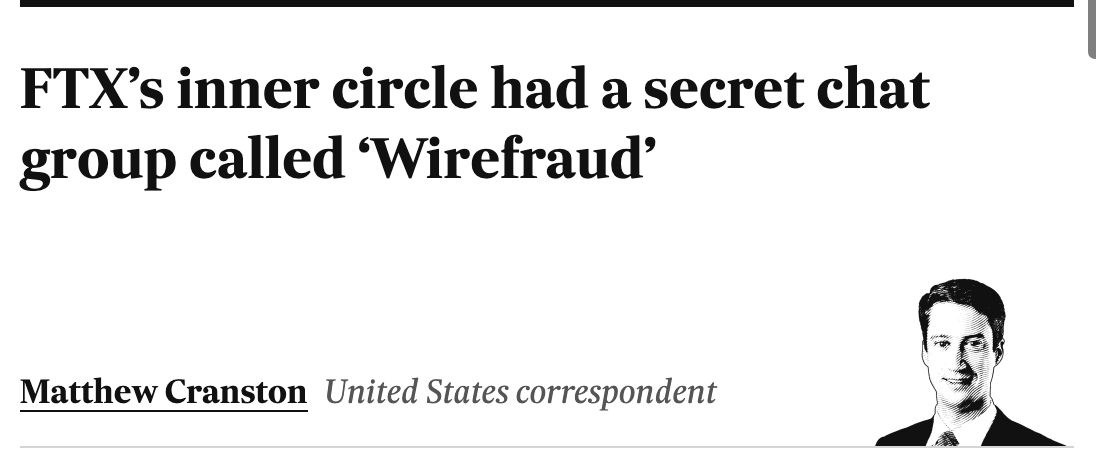
The toughest thing about proving white collar crime, as I've learned from @Popehat is proving intent. I'd imagine that suspects having a groupchat called "Wirefraud" must make prosecutors positively *giddy*. (ht: @annmlipton ) https://www.afr.com/companies/financial-services/ftx-s-inner-circle-had-a-secret-chat-group-called-wirefraud-20221213-p5c5sx
YabosMcGee
boosted

I've gotten a lot of responses to that Substack piece about leaving Twitter. Many are positive but some are negative. A few are saying "oh so you think free speech is nasty?"
What kind of stupid question is that? Of course I do. The Nazis marching at Skokie were nasty. All sorts of speech is nasty. Supporting free speech doesn't mean reserving judgment about it, you imbecile. It means not using the state to suppress it.
YabosMcGee
boosted

YabosMcGee
boosted
Me: Lord I wish we had something new and exciting for the Serious Trouble show tomorrow
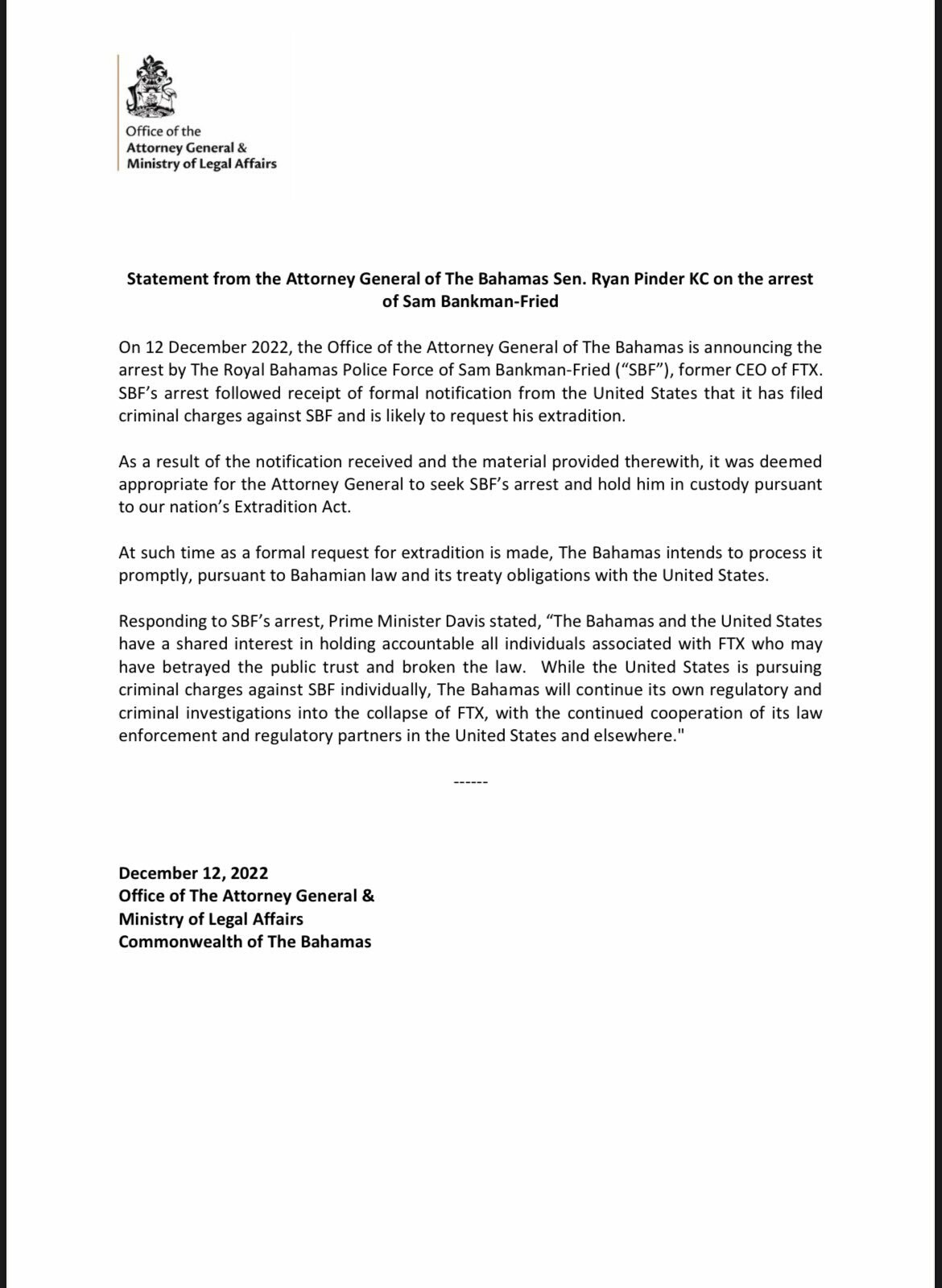
SBF: [gets arrested]
Me: Okay now You're just showing off
YabosMcGee
boosted
RT @johnpavlovitz@twitter.com
This should be alarming to decent people in Clay County, Florida and around the country.
https://popular.info/p/how-to-ban-3600-books-from-school
🐦🔗: https://twitter.com/johnpavlovitz/status/1602312187502120960
YabosMcGee
boosted

My non-legal advice: if your actions facially meet the elements of the crime in the group chat name, change the group chat name. https://www.afr.com/companies/financial-services/ftx-s-inner-circle-had-a-secret-chat-group-called-wirefraud-20221213-p5c5sx (h/t @mmasnick )
YabosMcGee
boosted

One thing I appreciate about @popehat 's writeup on exiting Twitter is that it captures something most articles in this genre only indirectly allude to:
It's not just that these platforms (and other things in our lives) are transitory, or that they can change. It's that we change, too. And maybe we don't always realize how much of a mismatch there is between who we are 𝘯𝘰𝘸 and what we once enjoyed, until the latter suddenly becomes something fundamentally different.
Joined Nov 2022
