

Jack Kennedy 🐀 @_jcken@social.cleverlibre.org
- https://twitter.com/_jcken
I have a stats PhD from Newcastle and work as a senior data scientist at UKHSA
Royal statistical society volunteer
🌲 🐕 🚵♂️ | views own | he/him
Joined Nov 2022
Jack Kennedy 🐀
boosted

A recent article in Nature discussed how researchers are using large language models as research assistants. But is this a good idea? We spoke with our editorial board member Detlef Nauck about #llms and the risk of #bias, #plagiarism and model 'hallucintations' (#ai #machinelearning #datascience) https://realworlddatascience.net/news-and-views/editors-blog/posts/2022-11-23-LLMs-content-warning/LLM-content-warning.html
Jack Kennedy 🐀
boosted

A simple plot for this week's #TidyTuesday hiding lots of messy data wrangling in the background! I calculated the change in estimated number of open museums in areas with different levels of deprivation 🏛️🏛️🏛️
Code: https://github.com/nrennie/tidytuesday/tree/main/2022/2022-11-22
#RStats #R4DS #DataViz #DataVisualisation #DataVizualisation
Jack Kennedy 🐀
boosted

Jack Kennedy 🐀
boosted

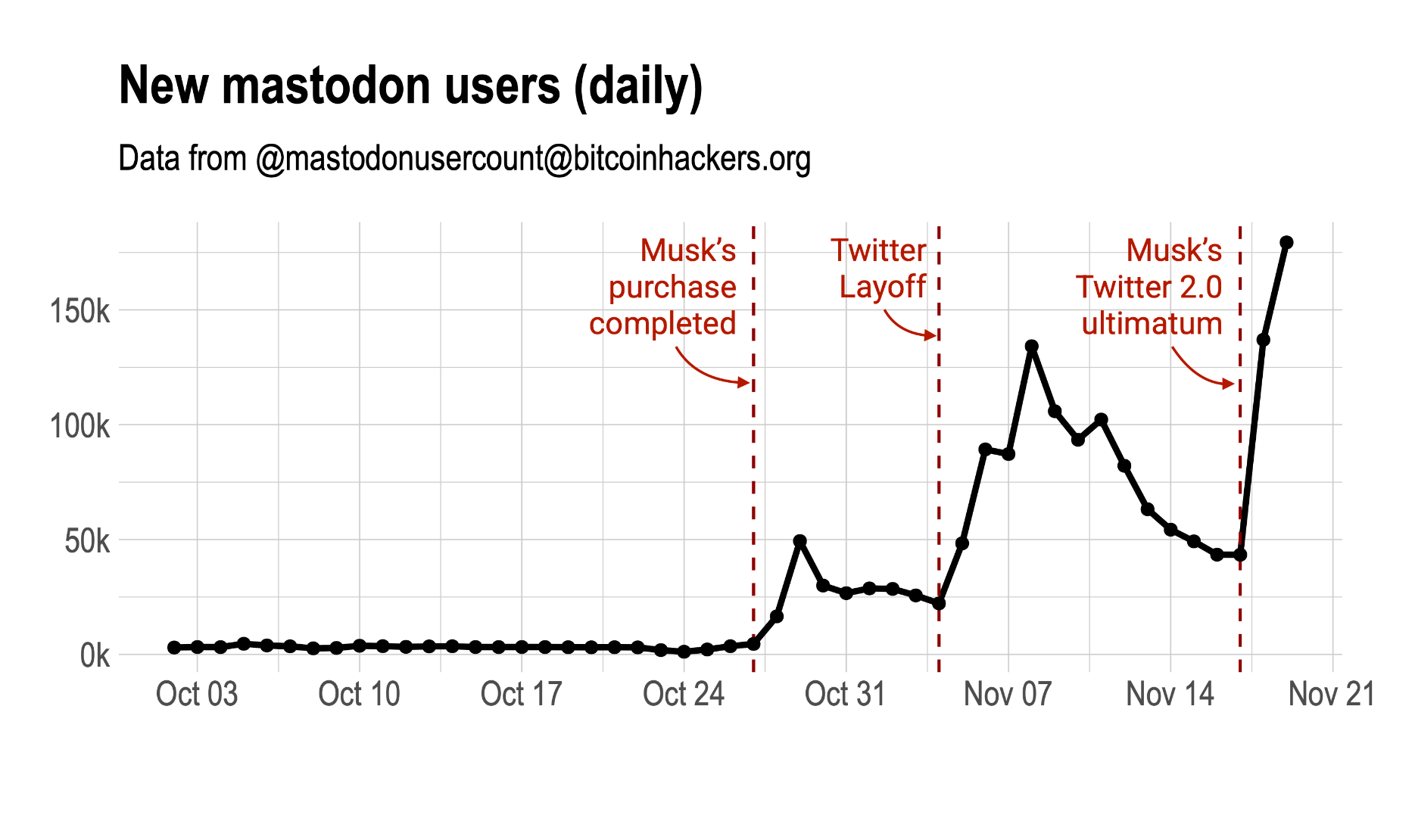
Almost 180k new users joined #mastodon yesterday, a new record. This third #twitterMigration wave happened after Musk's Twitter 2.0 ultimatum to #Twitter workers. Each wave is stronger than the previous one. Here is my updated plot showing the three consecutive waves.
@nrennie enjoying this one quite a lot
Jack Kennedy 🐀
boosted
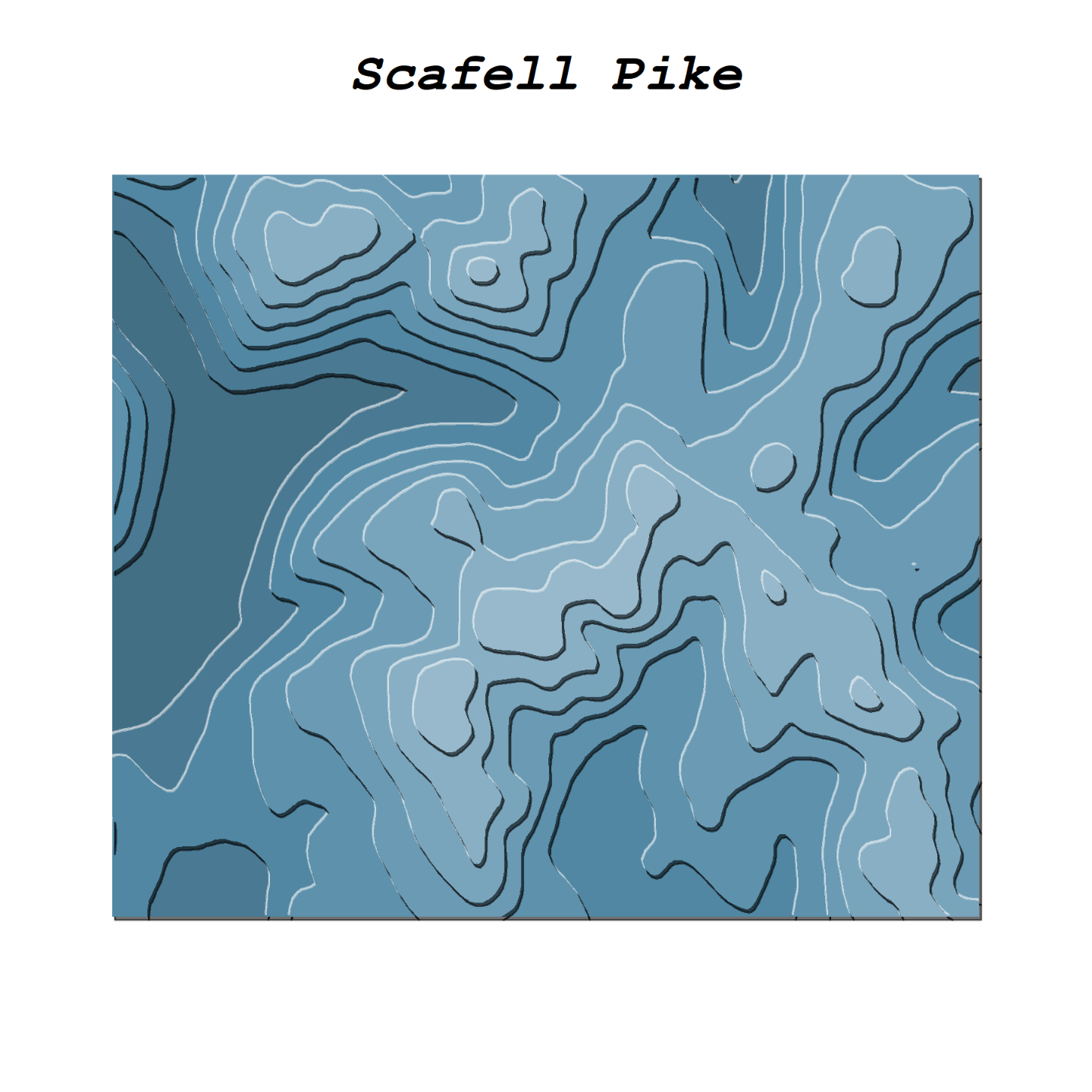
I tried out the {tanaka} #rstats package for the first time today for the "blue" prompt on #Day18 of the #30DayMapChallenge!
Code: https://github.com/nrennie/30DayMapChallenge/blob/main/2022/scripts/18_blue.R
@mduvekot quick search: {colourblindr} (all lowercase) simulates CVD & provides CVD friendly palettes; {ColourblindR} (note capitals) only generates CVD friendly palettes
@mduvekot The linked blogpost says that {ColourblindR} _is_ CVD friendly (and was written by the package authors). Is there a package with a similar name that simulates CVD, note I used capital C whereas you used lower?
Since this week's #TidyTuesday is about accessibility on the web, I decided to investigate options for making graphics more accessible
{ColourblindR} takes away the problem of choosing a CVD friendly palette by automatically generating a CVD friendly palette
Code: https://github.com/jcken95/tidytuesday/tree/main/2022/2022-11-15
Blog post about {ColourblindR}: https://ubc-mds.github.io/ColourblindR/
@seblammers @zakvarty no worries! One thing I've noticed since is that the accessibility drops at the start of 2018 but the article was published mid-2018, so might not be the reason ...
@seblammers @zakvarty looks like guidelines updates in 2018? I don't know if this is just coincidental or if this is actually why things changed in 2018
https://www.w3.org/TR/WCAG21/
Jack Kennedy 🐀
boosted
A thread about this week’s #TidyTuesday data on page metrics: recreating graphics using #RStats and detecting changes in time series data! To start off with, for this week’s data about page metrics, I recreated the graphic in this article [https://blog.datawrapper.de/why-web-pages-can-have-a-size-problem/](https://blog.datawrapper.de/why-web-pages-can-have-a-size-problem/) 🧵
#DataViz #R4DS #DataVisualisation #DataVizualisation #Statistics
Jack Kennedy 🐀
boosted

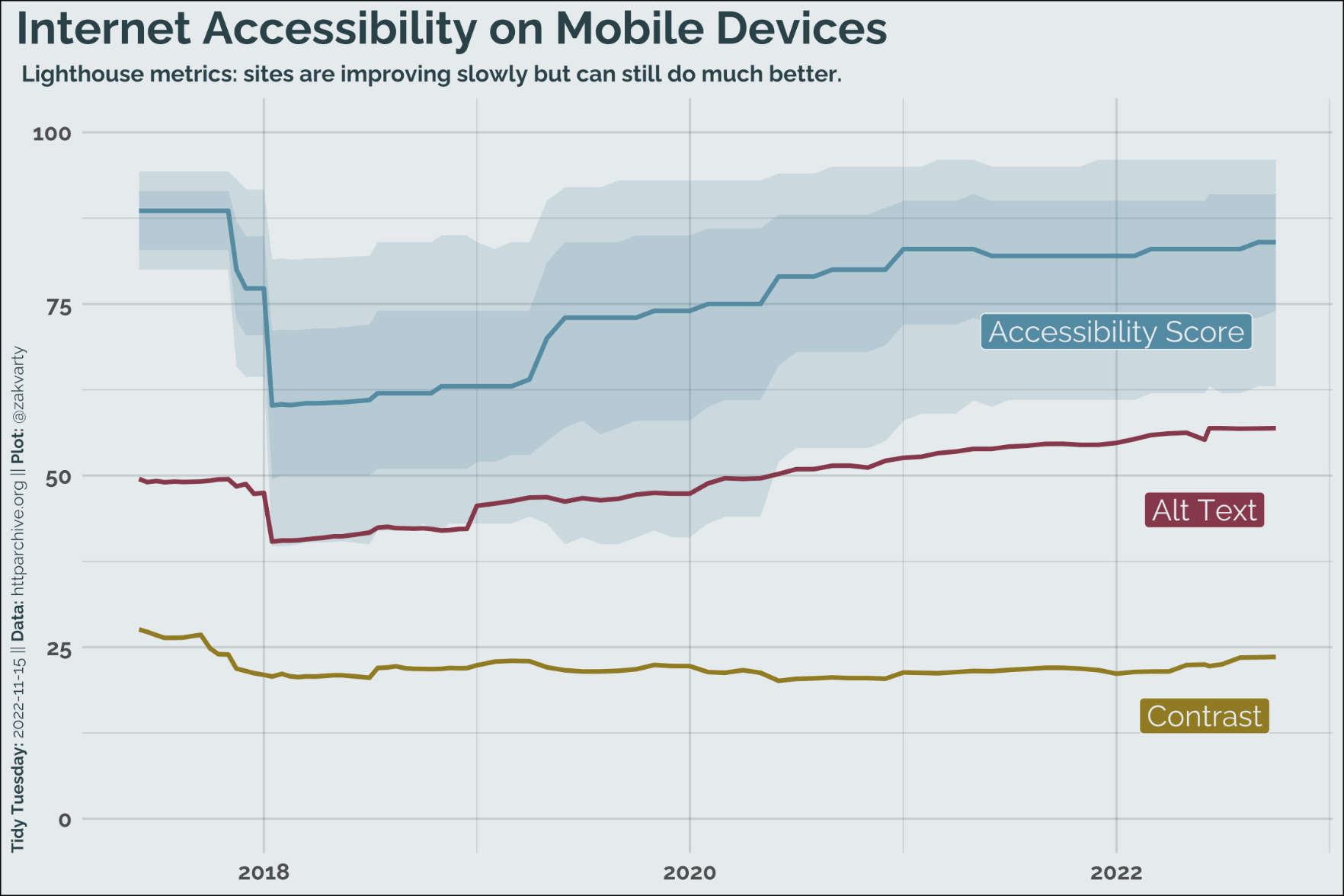
Today's #TidyTuesday is an #rstats exploration of internet accessibility.
Websites are slowly improving their accessibility and use of alt-text. However, we can still do much better - particularly by ensuring that pages have colour schemes with sufficiently high contrast. ⌨️🎨
Code and further exploration of the metrics used: https://github.com/zakvarty/tidy-tuesday/tree/main/2022/2022-11-15
Jack Kennedy 🐀
boosted
Hello people of Mastodon & Fosstodon! Nice to be here with you.
We are a new project from the Royal Statistical Society - a #datascience content platform where students, practitioners, leaders & educators can share, learn about and be inspired by real-world uses of data science.
Our website is built on #Quarto. You can find us at https://realworlddatascience.net/ and on GitHub: https://github.com/realworlddatascience
#r4ds #rstats #dataviz #openscience #python #machinelearning #statistics #opensource
Jack Kennedy 🐀
boosted

long post on accessibility advice from a blind screen reader user
OK #Mastodon. I've seen several toots on #accessibility for #screenreader users, however, I've not seen one from a screenreader user (as far as I know). I've used ZoomText, Outspoken, JAWS (AKA JFW), Supernova, NVDA (Windows), and VoiceOver (both on Macs and iPhone). I don't have experience with Windows Narrator or TalkBack. I would like to rectify and clarify a few small things.
First off, any awareness of accessibility issues, and endeavours to make things more accessible is great. Keep going!
But…
Blind/low-vision people have been using the internet as long as everyone else. We had to become used to the way people share things, and find workarounds or tell developers what we needed; this latter one has been the main drive to get us here and now. Over the past decade, screen readers have improved dramatically, including more tools, languages, and customisability. However, the basics were already firmly in place around 2000. Sadly, screen readers cost a lot of money at that time. Now, many are free; truly the biggest triumph for accessibility IMHO.
So, what you can do to help screen readers help their users is three simple things.
1. Write well: use punctuation, and avoid things like random capitalisation or * halfway through words.
2. Image description: screen readers with image recognition built-in will only provide a very short description, like: a plant, a painting, a person wearing a hat, etc. It can also deal with text included in the image, as long as the text isn't too creatively presented. So, by all means, go absolutely nuts with detail.
3. Hashtags: this is the most commonly boosted topic I've seen here, so #ThisIsWhatAnAccessibleHashtagLooksLike. The capitalisation ensures it's read correctly, and for some long hashtags without caps, I've known screen readers to give up and just start spelling the whole damn thing out, which is slow and painful.
That's really all. Thanks for reading! 😘
Jack Kennedy 🐀
boosted

I'm a PhD student studying social #epidemiology, #LGBTQ health, #mentalhealth, eating disorders, and accessibility/utilization of mental health services.
Especially interested in #causalinference, system dynamics modeling, and developing/adapting quantitative methods to better model #intersectionality in health disparities research.
I spend most days beep booping with #rstats 💻, learning #bayesian methods 👻, and (unsuccessfully) preventing my cat from destroying my furniture😼
@andrewblance looming forward to this - intrigued to hear how you mucking about with RC cars and stereo cameras makes anyone money
Jack Kennedy 🐀
boosted

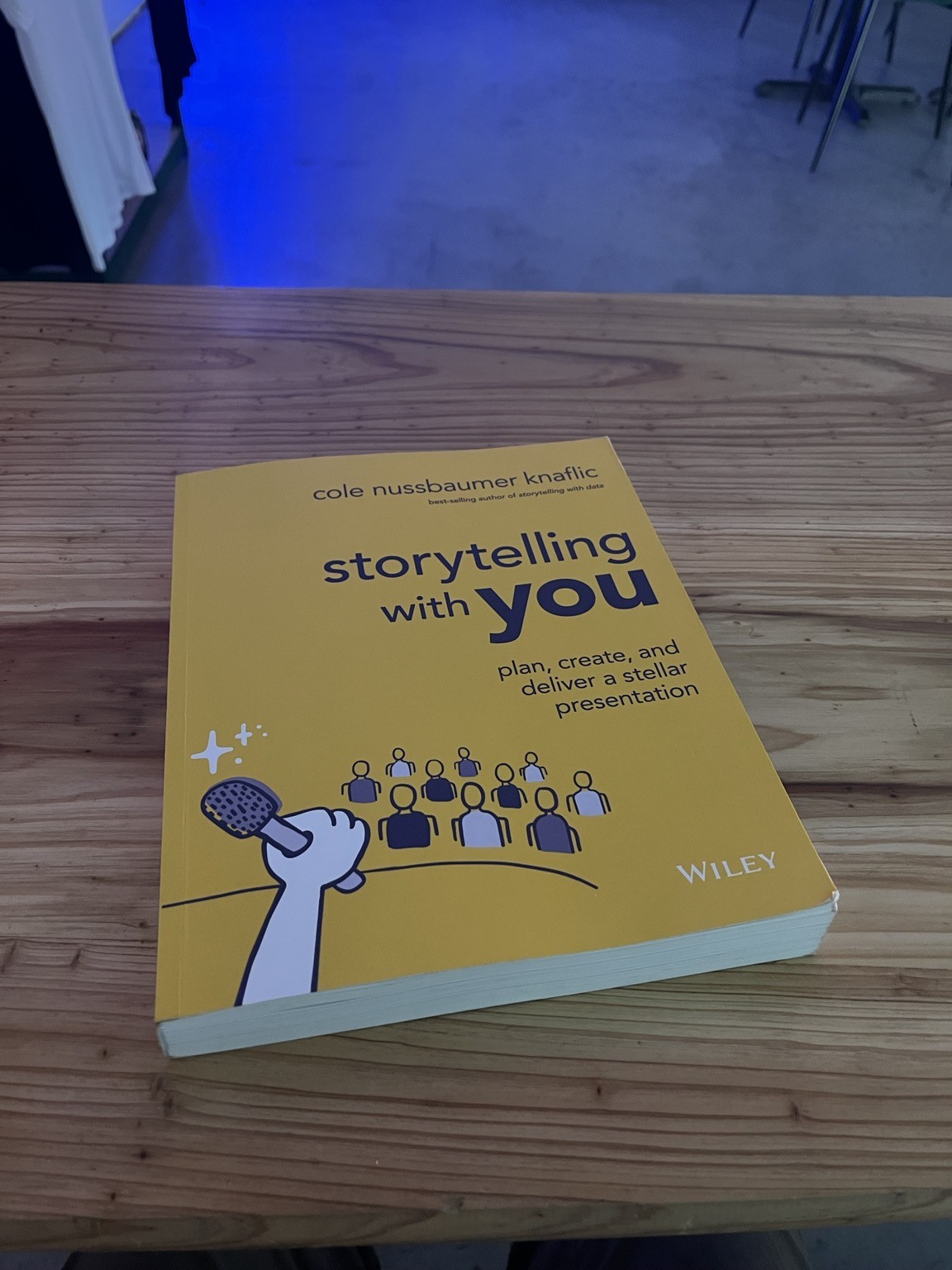
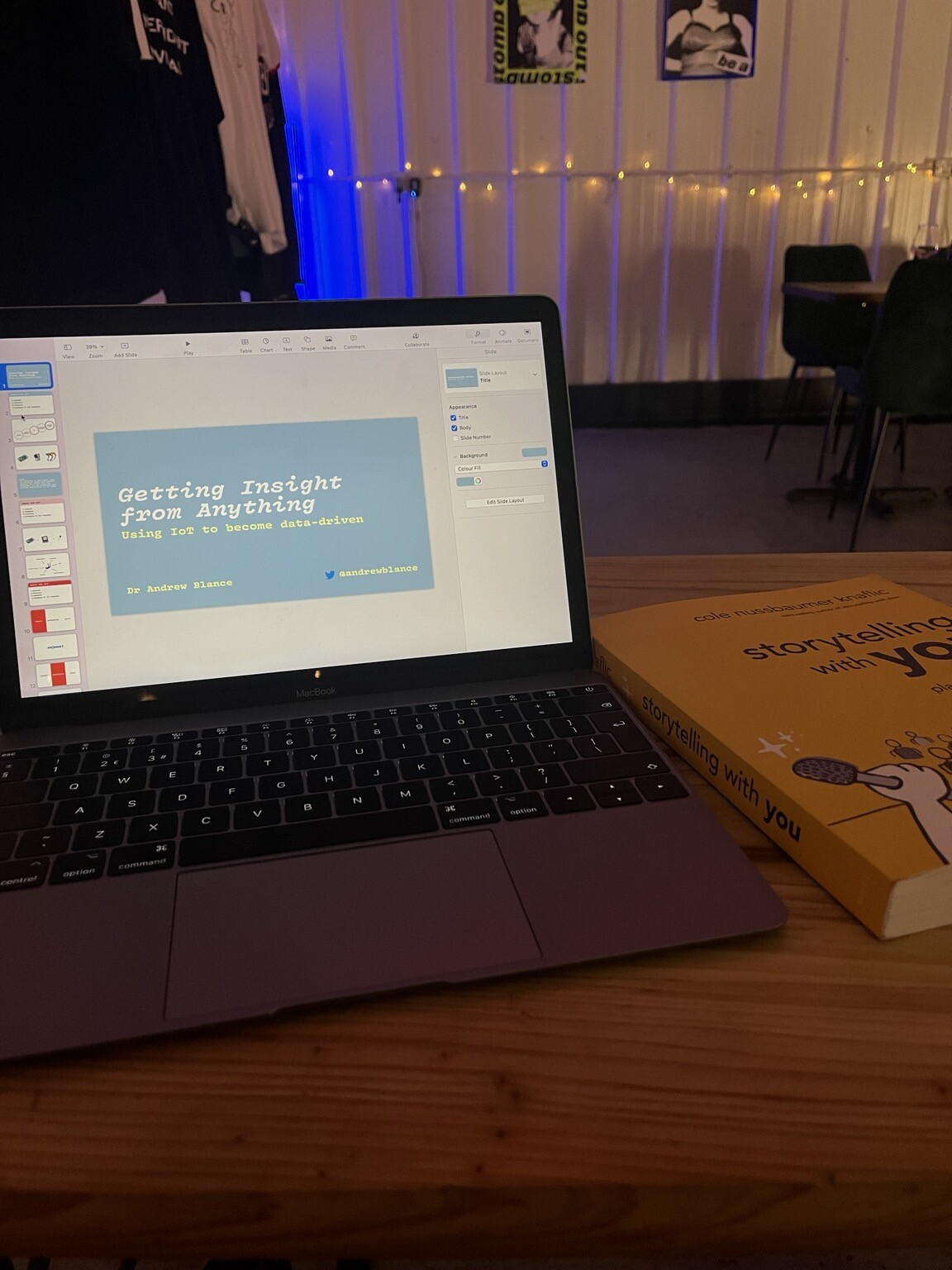
Getting ready for my #northeast #datascience #meetup talk by re-reading Cole Knaflic’s super book Storytelling with You!
This is the first talk I’ve given after reading it, the book is having a biggg impact on how I’m preparing. Lots of actionable, useful advice!
Also I use a really nice font for my slides (vulf mono), so im excited to show that off
Jack Kennedy 🐀
boosted


Jack Kennedy 🐀
boosted





Right then, finally an #introduction post for me.
I am #Irish, but live in #Bristol (UK).
I am an applied statistician working in academia, mainly teaching #rstats at undergraduate and postgraduate level.
I'm a statistical ambassador for the Royal Statistical Society https://rss.org.uk/membership/promoting-statistics/rss-statistical-ambassadors/
I have been involved in running the European Juggling Convention each year since 2005 - occasionally on the organising team. Summer 2023 it's back in Ireland in #Gormanston
- https://twitter.com/_jcken
I have a stats PhD from Newcastle and work as a senior data scientist at UKHSA
Royal statistical society volunteer
🌲 🐕 🚵♂️ | views own | he/him
Joined Nov 2022
