

z. @bahamut@social.cleverlibre.org
- hobby-posting
- https://oldbytes.space/@hertz
He/they; currently pursuing an undergrad degree (pre-med).
Joined Nov 2022
bloodwork ref, chronic exhaustion
I only had one class today, which was barely 40 minutes long. I've been exhausted all today.
I should probably get some bloodwork done, and actually eat my vitamins /sigh
Maybe get some sunlight while I'm at it.
z.
boosted

z.
boosted

Academic Workload
For a few years I've been maintaining and slowly improving a Google Sheet template to help #academics (particularly salaried academics) track how much they are working, and how this work is distributed. I've just updated the template for 2023.
The reason for this is academic #workloads are often left very abstract and vague, usually measured in 'percentages' with only the loosest connection to time and the actual number of hours you are paid to work. I find that tracking my hours helps to reassure me I am doing enough work in some aspects of my job (in #research, for instance), and also help prevent me from overworking.
For example, this year, I know I have worked 61 hours more than I have been paid for thus far. This means in December, once marking and everything is wrapped up, I'm just going to tap out and do pretty much no work for a couple of weeks (just keep an eye out for urgent emails), but also not take leave. Because those are hours I'm owed. So by the end of the year, I should be back close to zero hours overworked.
Some academics hate counting hours as bean counting or volunteering into surveillance. I get that. But considering how the ever-intensifying exploitation of academic staff relies on #university management obscuring and intensifying our work, I find tracking how much I've actually worked incredibly empowering.
With the new year, maybe consider tracking your own #academic work!
The template: https://docs.google.com/spreadsheets/d/1W-w_pbJgsemr5vznErqqNG5UJsfxeiPUNgG8f6pXyfg/edit#gid=1226213337 #commodon
#introduction #qotojournal #stem #science
Hello there! I'm an incoming #university #student pursuing an MBBS (Bachelors of Medicine and Surgery).
I'm currently working on how corporate #healthcare collaborates with local communities, and improving the healthcare infrastructure in my local area.
I post on various topics i.e. my studies ( #genetics #neuroscience #anatomy #medicine ), hobbies ( #photography #fitness #books ), and whatever interests me :]
It's nice to meet y'all! 🌟
z.
boosted

MEDICAL, DISSECTION
Female medical students dissecting a cadaver, c.1895.
In the United States, the idea for a college that trained female doctors was first proposed by Dr. Bartholomew Fussell in 1846. He wanted it to be a tribute to his departed sister, whom he felt could have been a doctor if women had been given the opportunity at that time. The Women’s Medical College of Pennsylvania was founded in 1850.
#histmed #histodons #MedMastodon #medstudent #medicine #history #anatomy #histsci
z.
boosted

Hello! Here is our #introduction post!
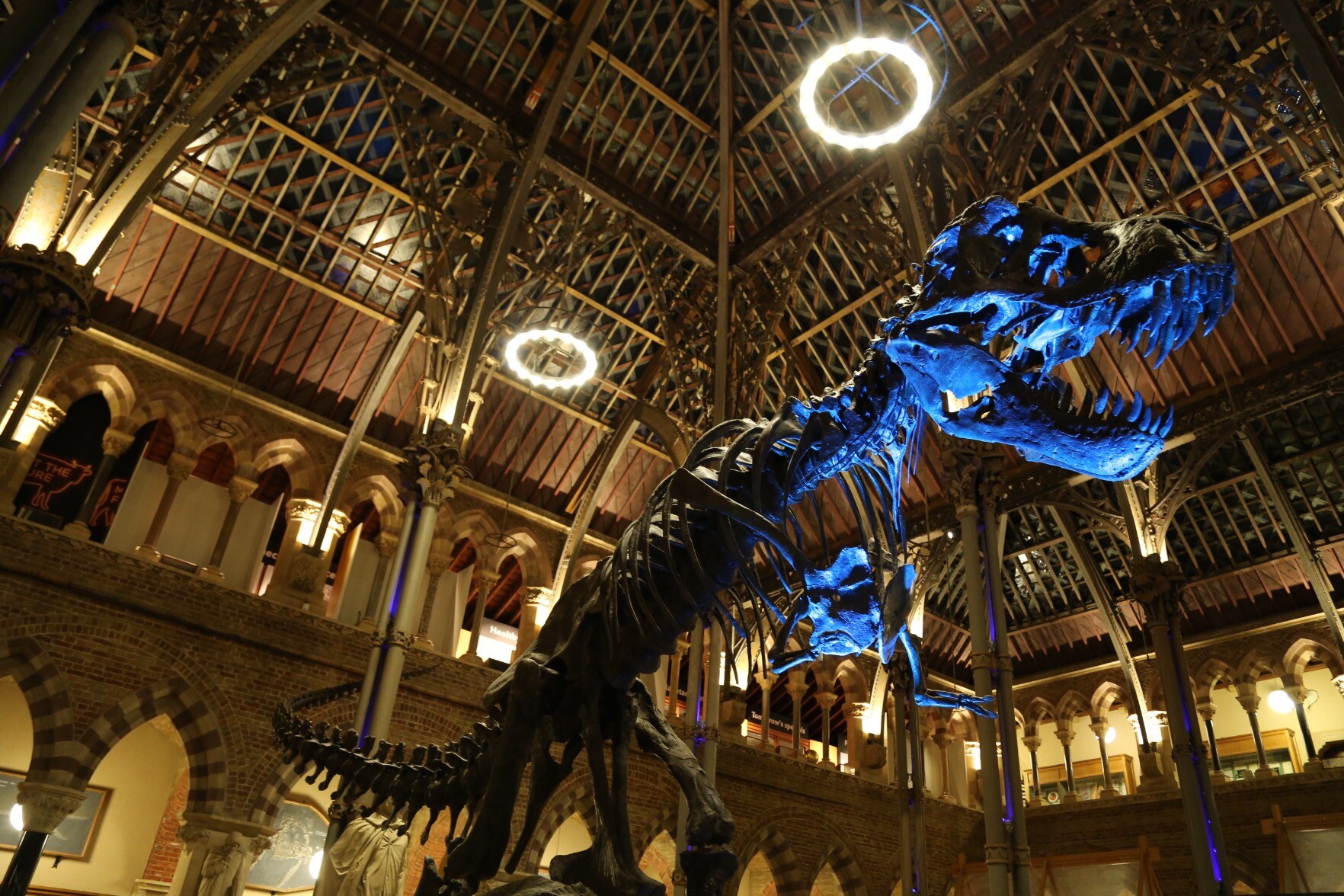
Oxford University #Museum of #NaturalHistory was established in 1860 to draw together scientific studies from across the University of #Oxford.
Some of our highlight objects include: the first ever described #dinosaur - Megalosaurus bucklandii, the only soft-tissue specimen of a #Dodo bird, and a 4.5 billion year old #meteorite you can get your hands on!
z.
boosted

The Butterfly Nebula from Hubble
Image Credit: NASA, ESA, Hubble; Processing: William Ostling
z.
boosted

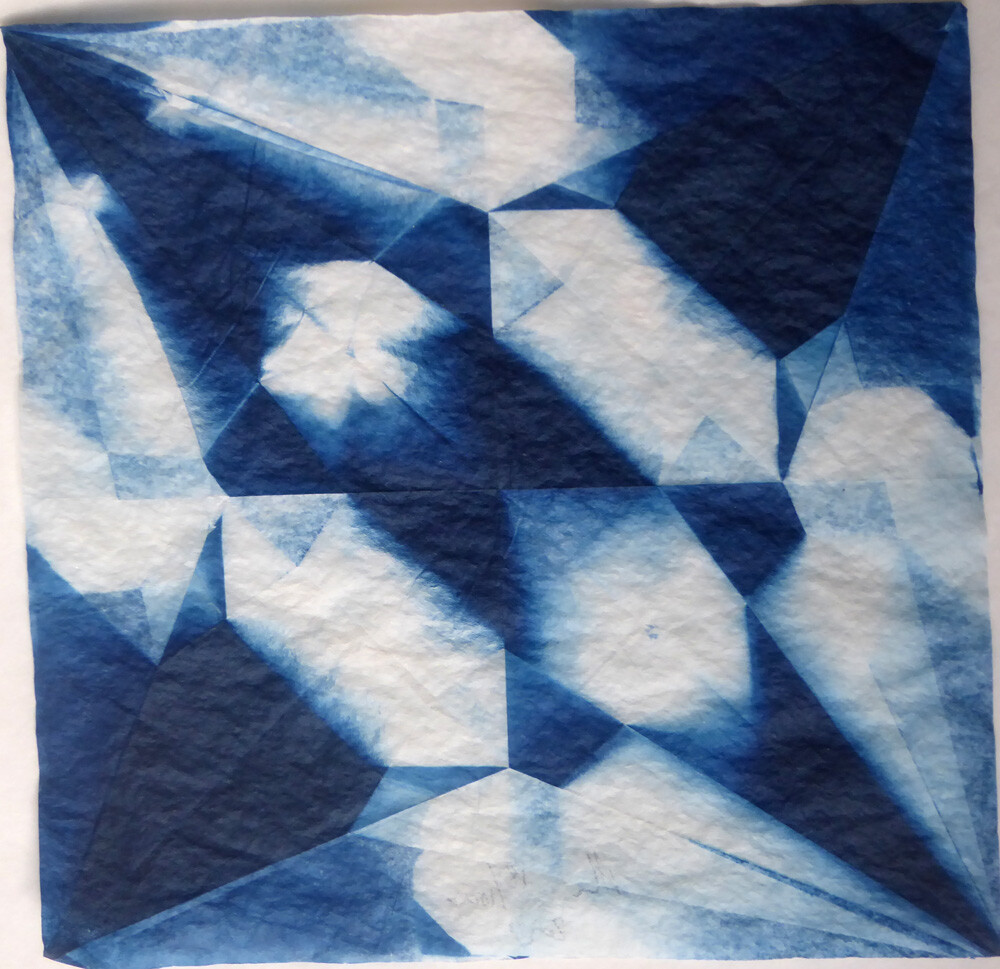
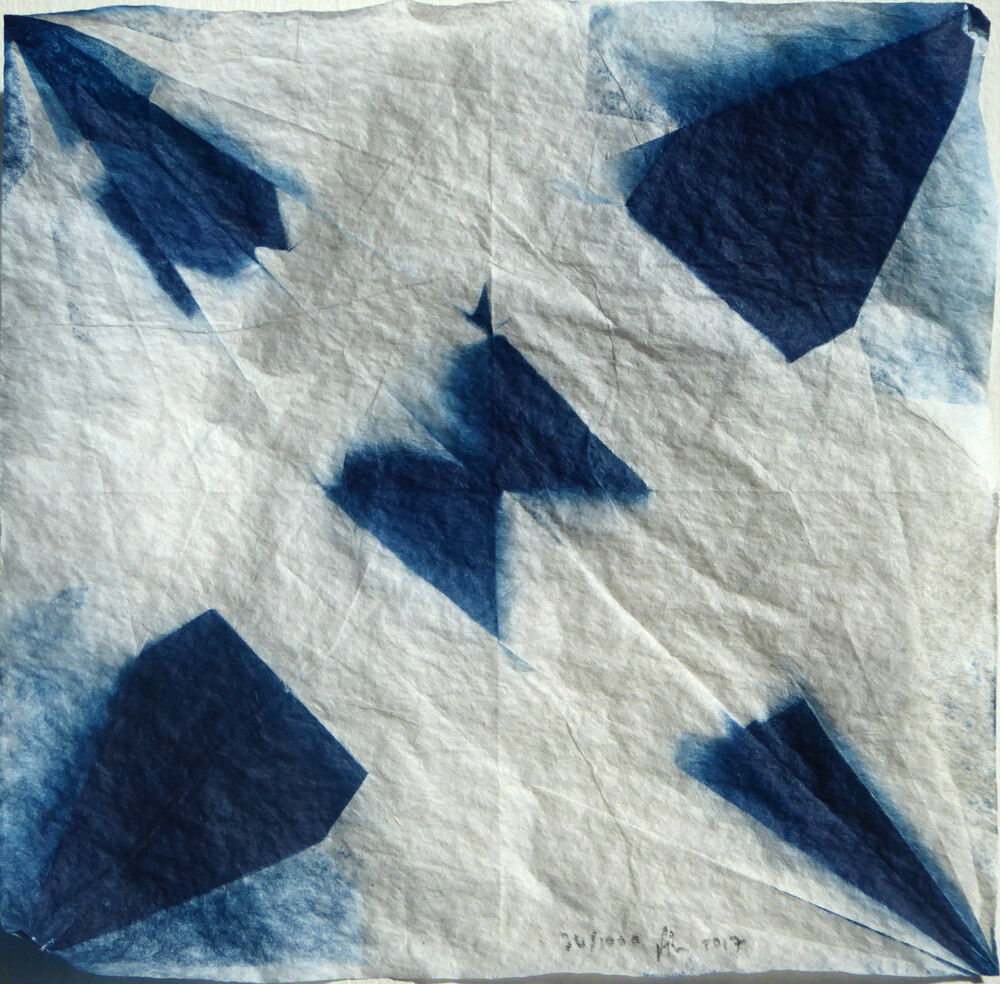
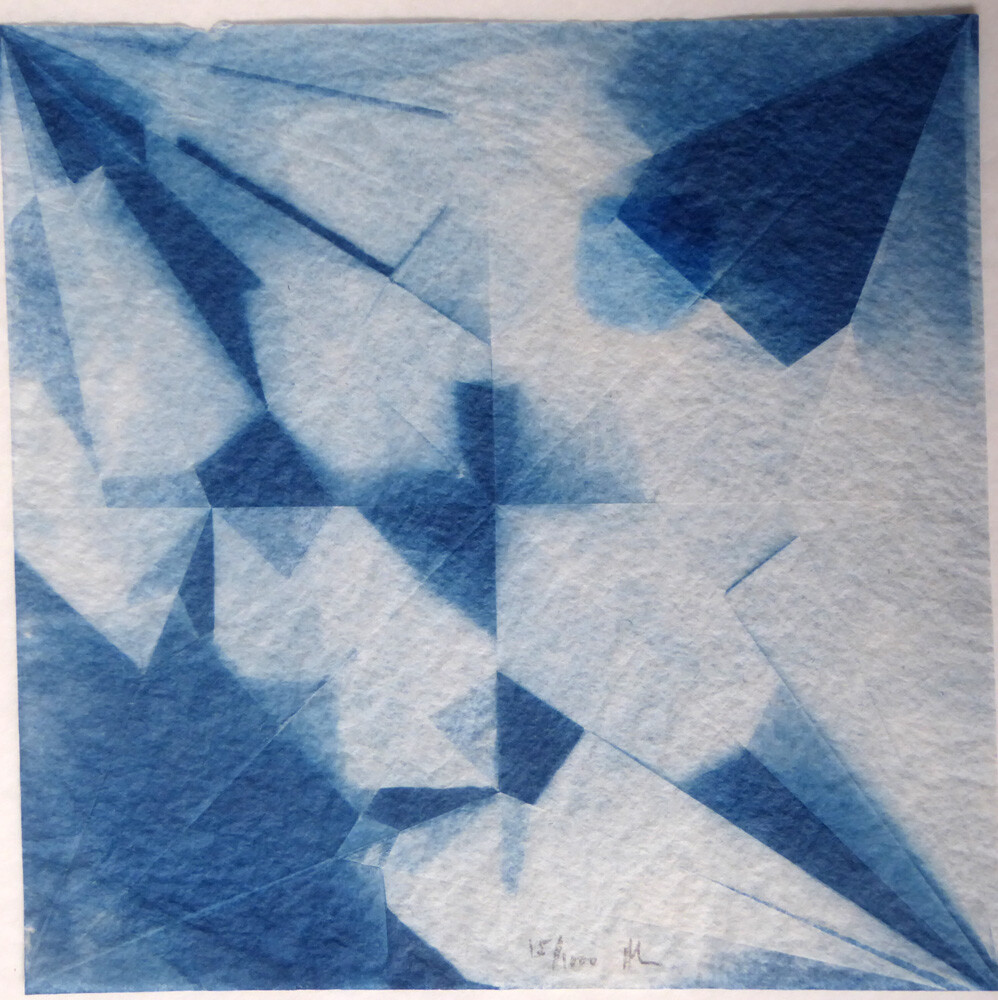
Imagine a piece of tissue paper.
Coat it with cyanotype chemicals.
Fold it into an origami crane.
Let it be a crane for a while, in any place with a bit of light. Ignore it, play with it, whatever.
After a while, unfold it. Develop.
You'll get an image.
The image is the memory of it's experience as an origami crane.
Repeat. Every crane's experience - and hence every image - will be unique.
Here's 4 out of the >750 I've made so far.





- hobby-posting
- https://oldbytes.space/@hertz
He/they; currently pursuing an undergrad degree (pre-med).
Joined Nov 2022
