

Bibliolater 📚📜🖋📐 @bibliolater@social.cleverlibre.org
Not a bot; a rather corpulent male approaching fifty years of age; married; father; a very very slow reader; barely reaching up to the level of mediocrity; an ignoramus who reads occasionally.
Toots are humanities, sciences, books and maps related. Toots or follows or boosts or mentions ≠ endorsements of any particular notion or notions. Expect many typing errors.
Addendum: for those wondering, I do not physically resemble a fountain pen.
Joined Nov 2022
Bibliolater 📚📜🖋📐
boosted

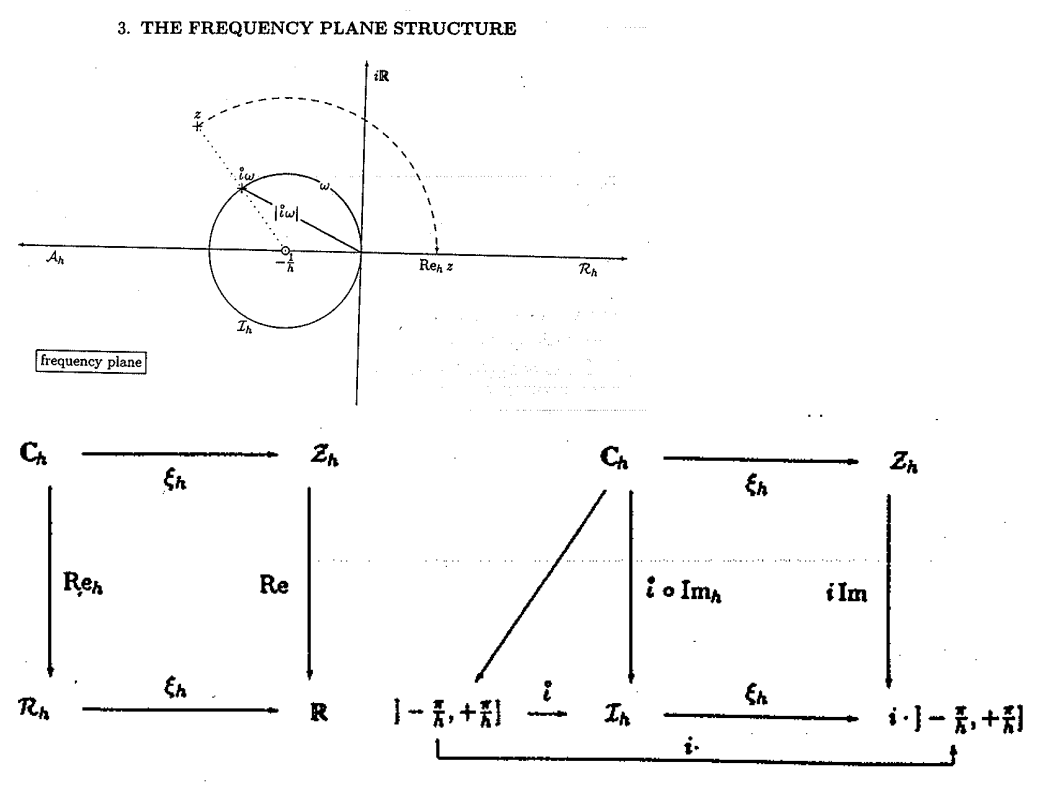
from "Special functions, Laplace and Fourier Transform on Measure Chains" by Stefan Hilger (1999)
Bibliolater 📚📜🖋📐
boosted

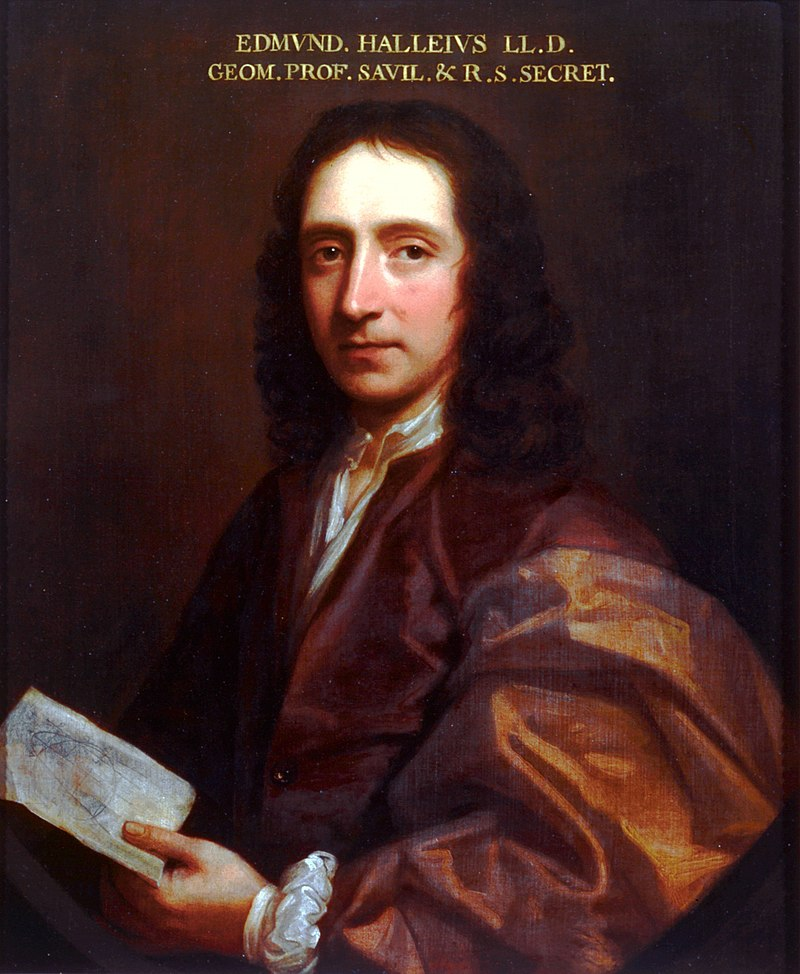
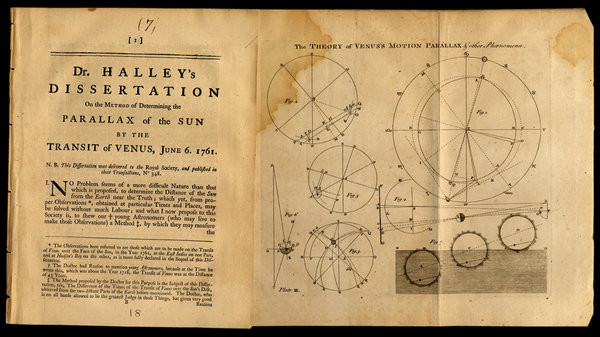
English astronomer, mathematician and physicis Edmond Halley died #OTD in 1741.
Halley is famous in his own right for analyzing the orbits of comets, which he showed to be elliptical and periodic. Halley's Comet returned, as he predicted, in 1758, 15 years after his death. Halley's discovery of stellar motion, though less well known than his comet, was no less an achievement. No longer were the stars believed fixed, either to an outer sphere or in space. via @aip
Bibliolater 📚📜🖋📐
boosted

#Asia -- #China and #India together are forecast to generate about half of global growth this year, chart @IMFNews https://www.imf.org/en/Blogs/Articles/2023/05/01/asia-poised-to-drive-global-economic-growth-boosted-by-chinas-reopening?utm_medium=email&utm_source=govdelivery
Bibliolater 📚📜🖋📐
boosted
As the Chart of the Week shows, the higher #inflation so far mainly reflects higher #profits and import prices, with profits accounting for 45% of price rises since the start of 2022, chart @IMFNews https://www.imf.org/en/Blogs/Articles/2023/06/26/europes-inflation-outlook-depends-on-how-corporate-profits-absorb-wage-gains?utm_medium=email&utm_source=govdelivery
Bibliolater 📚📜🖋📐
boosted

gītsere, m.n: covetous, greedy person; a miser. (YEET-seh-ruh / ˈjiːt-sɛ-rə)
#OldEnglish #WOTD
Bibliolater 📚📜🖋📐
boosted

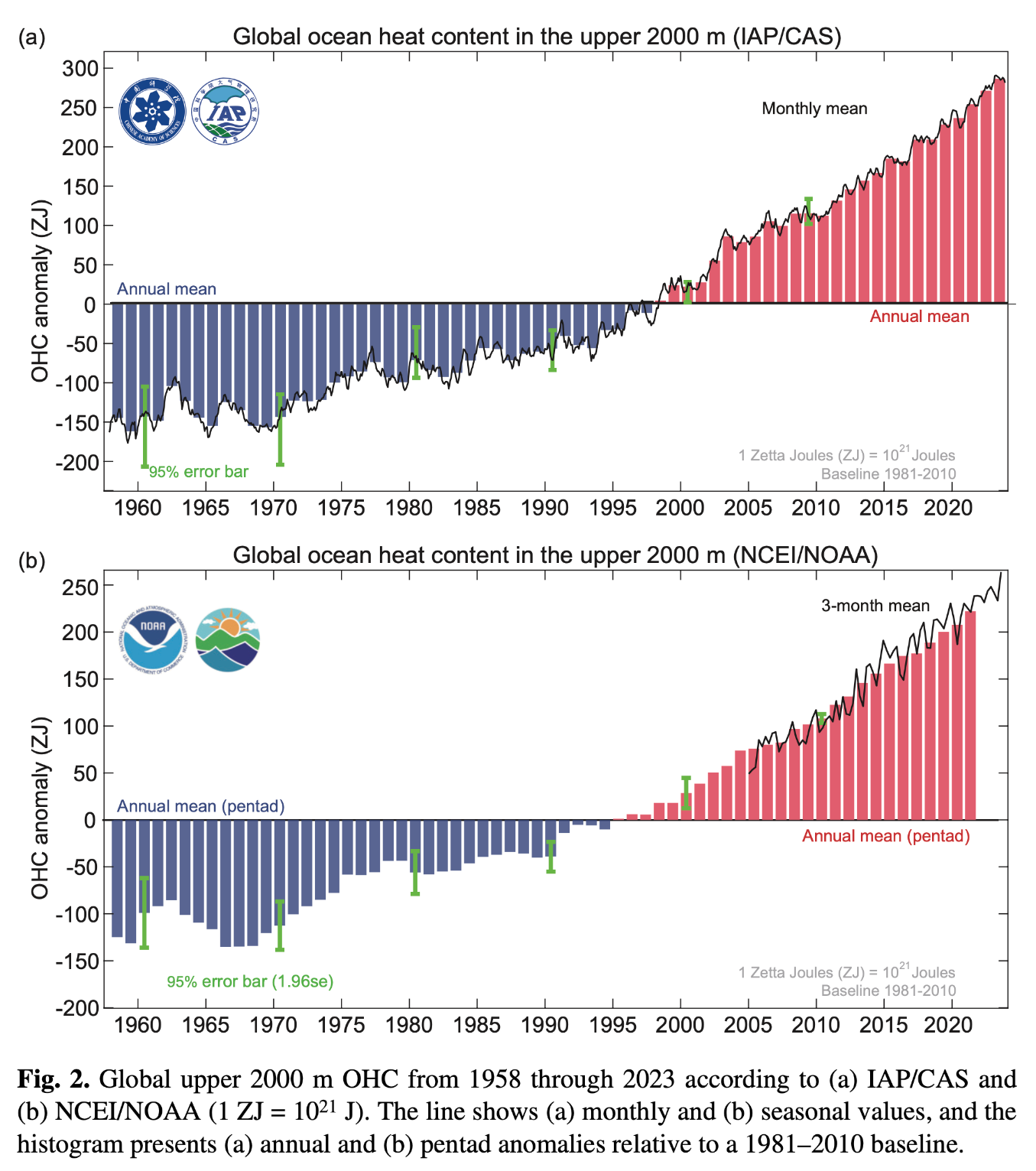
I think the vast majority of humans simply have no idea that this is happening, or what it implies.
The temperatures of the oceans have been continually increasing, and last year reached a new high.
The thing about oceans is, you can't reverse a trend like this quickly. The masses involved are too large. Even if we flat-lined carbon emissions today, this trend would continue for decades to come.
• https://link.springer.com/article/10.1007/s00376-024-3378-5
• https://www.theguardian.com/environment/2024/jan/11/ocean-warming-temperatures-2023-extreme-weather-data
#climate #climatechange #climatecrisis
"The fediverse is not only an opportunity for social networking on different terms—it can also be seen as a new beginning for social network research, part of a new relationship between academia and its research subject." https://doi.org/10.1016/j.patter.2023.100914 #OpenAccess #OA #Science #STEM #Research #SocialMedia #Mastodon #Fediverse #Twitter #X #Academia #Academic #Academics @science
#Mastodon is my #socialmedia #platform of choice. I cannot see myself in the #future using any other.
"Less appreciated, however, are the deep historical roots of this convergence process, and in particular of the spread of modern industry to the global periphery. This book fills this gap by providing a systematic, comparative, historical account of the spread of modern manufacturing beyond its traditional heartland, to Southern and Eastern Europe, the Middle East, Asia, Africa and Latin America, or what we call the poor periphery."
O'Rourke, Kevin Hjortshøj, and Jeffrey Gale Williamson (eds), The Spread of Modern Industry to the Periphery since 1871 (Oxford, 2017; online edn, Oxford Academic, 23 Mar. 2017), https://doi.org/10.1093/acprof:oso/9780198753643.001.0001, accessed 12 Jan. 2024. #OpenAccess #OA #Manufacturing #Industry #Technology #Tech #Globalization #Economics #History #Histodon #Histodons #EconHist #Europe #MiddleEast #Asia #Africa #LatinAmerica #Read #Reading #Academia #Academic #Academics #NonFiction #Book #Books #Ebook #Ebooks #Bookstodon @econhist @historyofeconomics @bookstodon (75)
With last year now officially the hottest on record, climate researchers look ahead with trepidation. https://www.nature.com/articles/d41586-024-00074-z #Science #Climate #ClimateChange #ClimateCrisis #News #Press @science
Bibliolater 📚📜🖋📐
boosted

Dude, for the love of all things sacred, please include #hashtags in your posts.
I've found the most amazing accounts to follow in the few years I've been on #Mastodon simply because they included hashtags.
(Latest one: about 90 seconds ago).
You'll never know who is interested in your work or posts if people following those hashtags never see your work or posts.
Bibliolater 📚📜🖋📐
boosted

I see that the Ancient World Mapping Center at the University of North Carolina at Chapel Hill has revamped its website:
Note that blog posts have been side-barred down right on desktop.
But most importantly, there's a feed:
#ancientGeography #cartography #classics #HGIS #UNCCH #UNCChapelHill #AWMC
"This article examines veiling and head-covering as a complex social practice shaped by numerous intersectional and situational factors beyond religion, including status, practicality, fashion and social context."
Grace Stafford, Veiling and Head-Covering in Late Antiquity: Between Ideology, Aesthetics and Practicality, Past & Present, 2024;, gtad017, https://doi.org/10.1093/pastj/gtad017 #OpenAccess #OA #Journal #Article #LateAntiquity #Antiquity #Antiquidons #History #Histodon #Histodons #Women #Academia #Academic #Academics @histodon @histodons @antiquidons
Bibliolater 📚📜🖋📐
boosted

@bibliolater qoto made quite a bit of changes to the basic mastodon software. You guys aren't limited to our pleb's 500 character toots, for instance. I suppose that's just one of the changes.
Bibliolater 📚📜🖋📐
boosted
@bibliolater As far as I know, it's in the works, but not implemented yet.
Some other fediverse things do use them, though.
Bibliolater 📚📜🖋📐
boosted
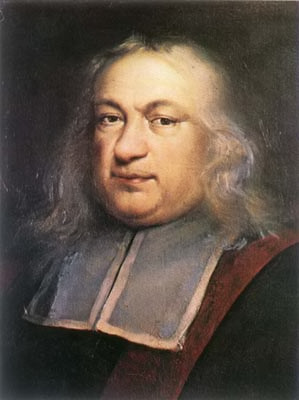
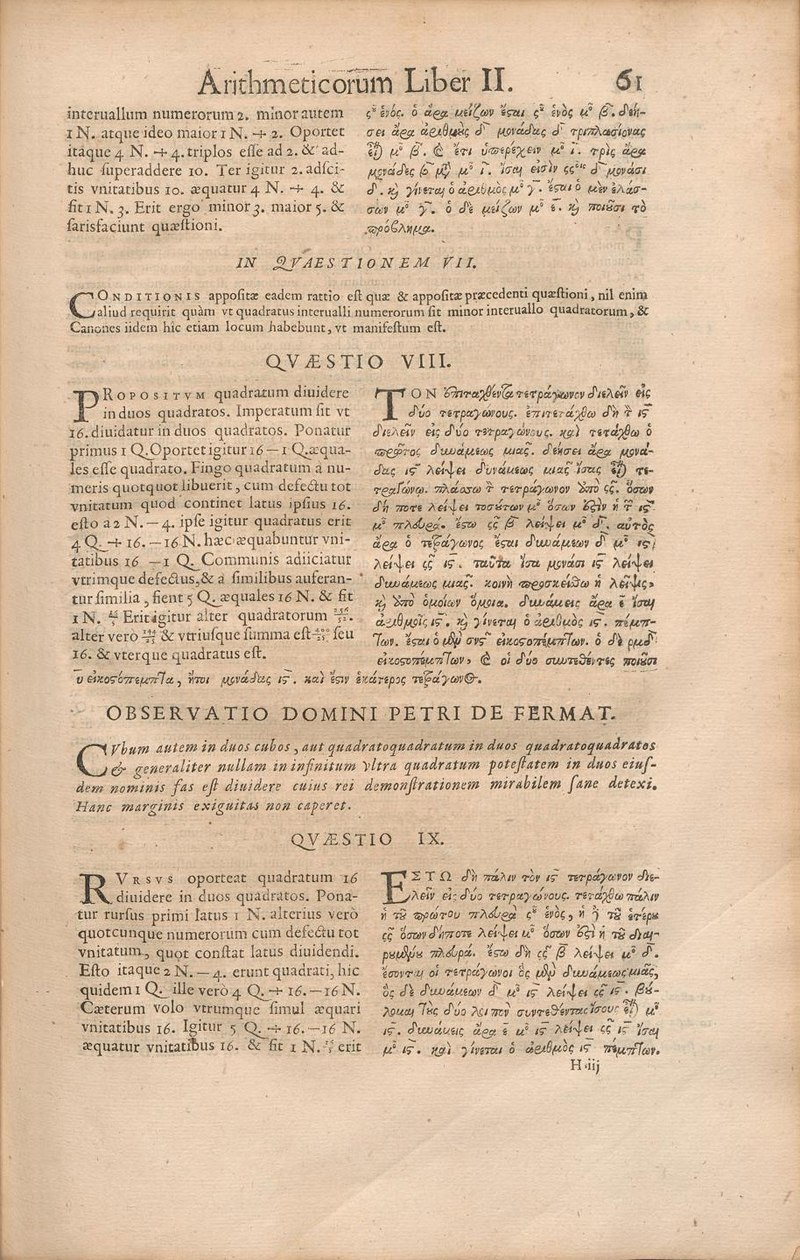
French mathematician Pierre de Fermat died #OTD in 1665.
He is recognized for his discovery of an original method of finding the greatest and the smallest ordinates of curved lines, which is analogous to that of differential calculus, then unknown, and his research into number theory. He made notable contributions to analytic geometry, probability, and optics. via @wikipedia
#mathematics
1/
Bibliolater 📚📜🖋📐
boosted

Something for our bibliophiles https://www.medievalists.net/2024/01/first-book-reviewer/ #books #bookreview
Bibliolater 📚📜🖋📐
boosted



@bibliolater More devaluations to come, sadly.
... At the heart of Milei’s audacious economic agenda is his plan to devalue the peso from 400 to 800 per $1 U.S. dollar and then by an additional 2% each month. Part of the goal is to make Argentina’s exports less expensive — and thus more competitive — overseas and reduce the country’s gaping trade deficit... His plan would narrow — but not close – the gap between the official exchange rate and the 1,000-peso-to-$1 rate in the black market...
Not a bot; a rather corpulent male approaching fifty years of age; married; father; a very very slow reader; barely reaching up to the level of mediocrity; an ignoramus who reads occasionally.
Toots are humanities, sciences, books and maps related. Toots or follows or boosts or mentions ≠ endorsements of any particular notion or notions. Expect many typing errors.
Addendum: for those wondering, I do not physically resemble a fountain pen.
Joined Nov 2022
