

Bibliolater 📚📜🖋📐 @bibliolater@social.cleverlibre.org
Not a bot; a rather corpulent male approaching fifty years of age; married; father; a very very slow reader; barely reaching up to the level of mediocrity; an ignoramus who reads occasionally.
Toots are humanities, sciences, books and maps related. Toots or follows or boosts or mentions ≠ endorsements of any particular notion or notions. Expect many typing errors.
Addendum: for those wondering, I do not physically resemble a fountain pen.
Joined Nov 2022
Bibliolater 📚📜🖋📐
boosted


Writing a letter was the start of a new communication flow. Like this writer in 1580, you needed paper, ink, a quill, and the right technique to fold your letter, and make it ready for transport. Fancy a try folding? http://letterlocking.org/about
Anyway, receiving and sending private and business letters was a time consuming activity. In the image you see opened and sealed letters waiting for further steps within the postal distribution systems of the time:
Bibliolater 📚📜🖋📐
boosted
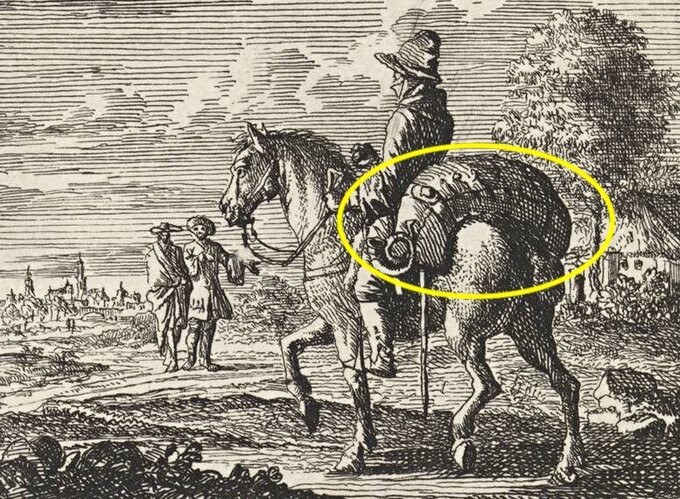
But more often letters were transported with horses - in a postal system running on horses. Every letter mentioned, used or depicted in a source from Early Modern Europe reminds us: these paper goods were moved from various postal services connecting Europe and beyond.
Every! letter! tells! a! material! story! of! transport!
This is how a “postal knapsack” (in German: Felleisen) looks like. In these bags the letters of the early modern postal services were transported. Bonus: a post horn!
Bibliolater 📚📜🖋📐
boosted
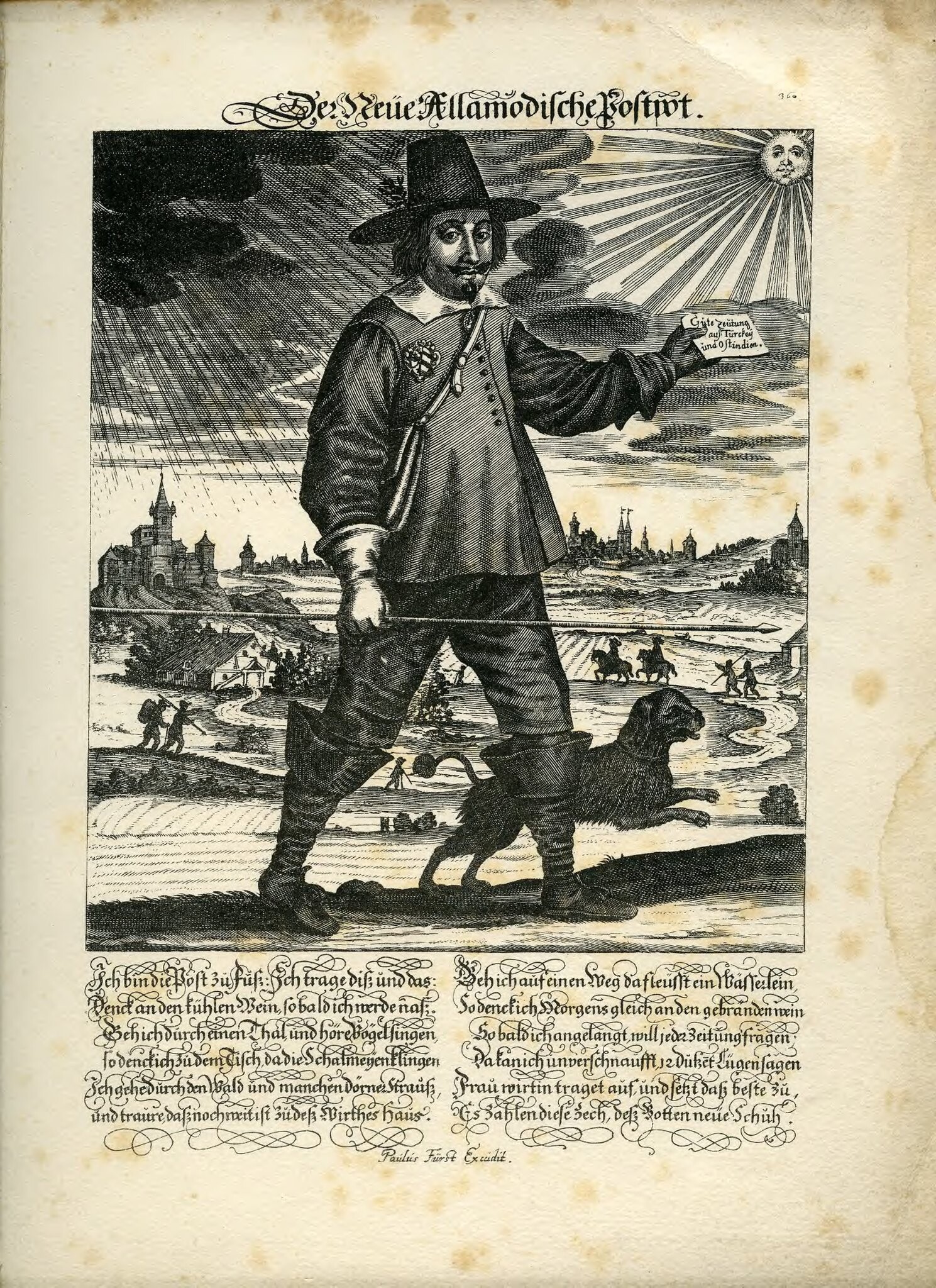
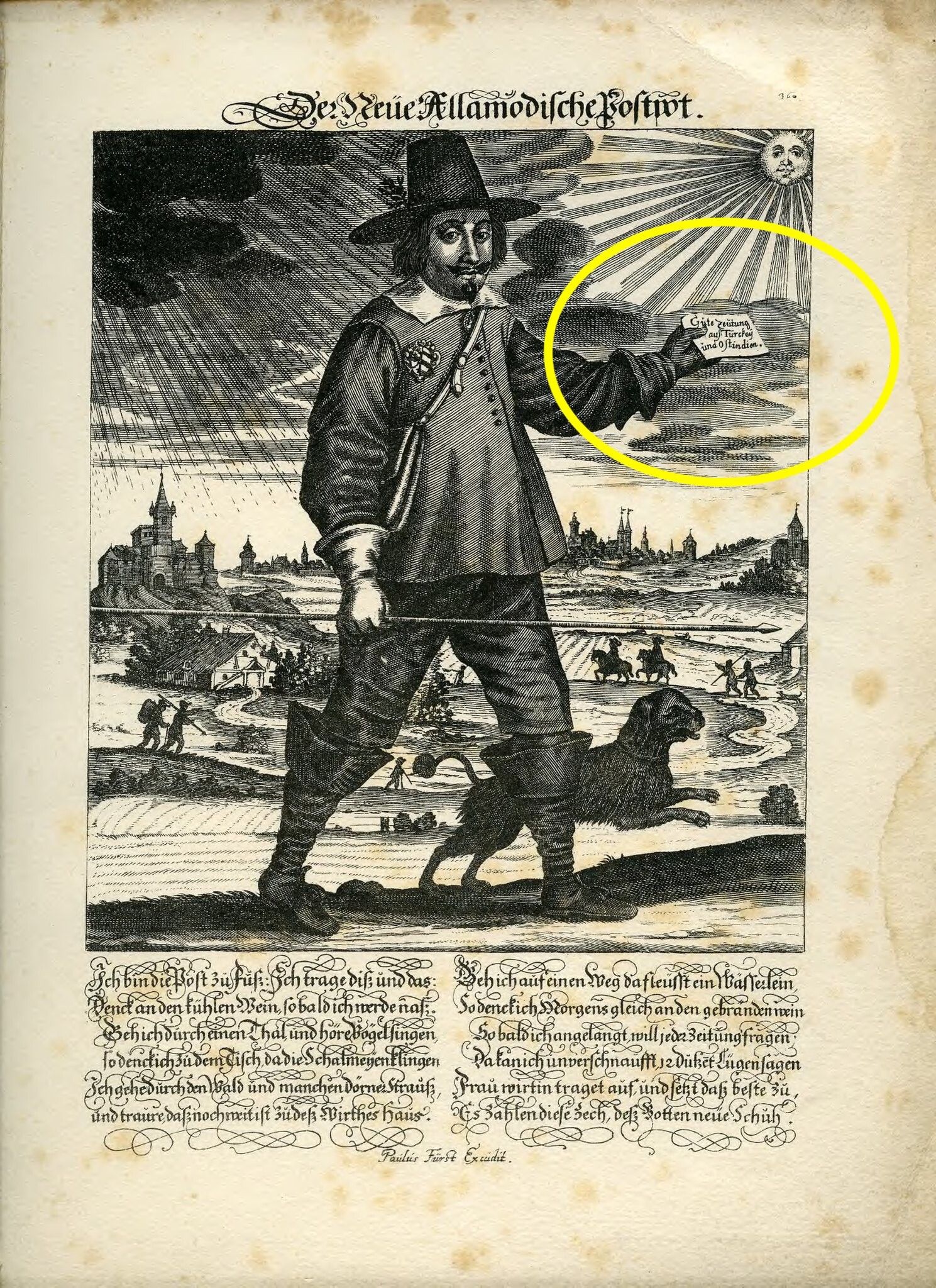
So letters were transported goods. And this transport was sometimes a walking messenger: The man imagined on this Einblattdruck was part of the postal and messenger systems working in Europe. These services used horses, and less often couriers (Postboten: "Postpot"). The letter he is holding in his hand delivers a message: "Gute zeitung auss Turckey und Ostindien". Any news was in contemporary German, a Zeitung. And these news were transregional partly global in scope. And always a paper letter.
Bibliolater 📚📜🖋📐
boosted
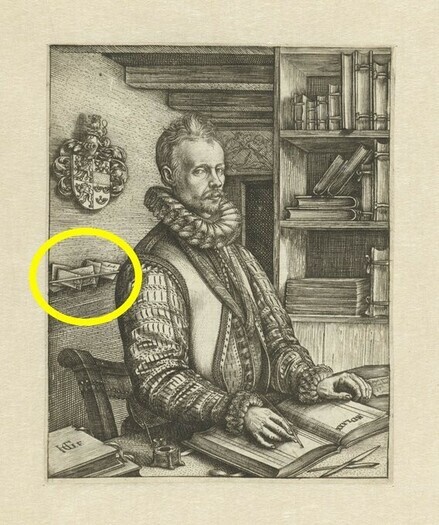
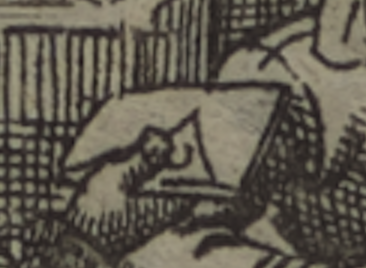
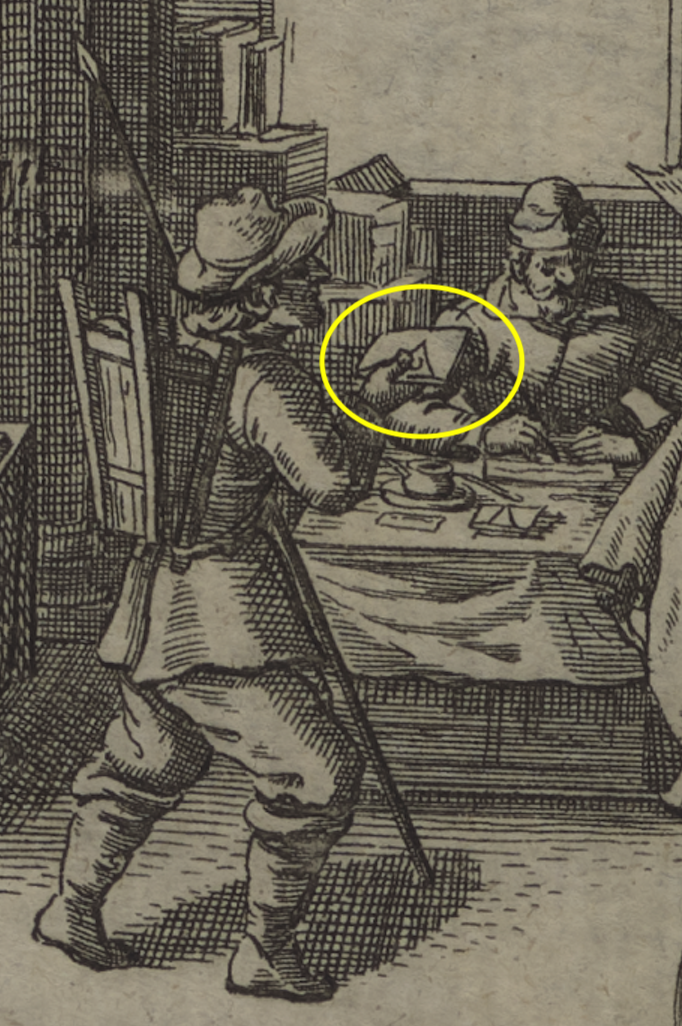
The purpose of paper letters being sent within the Early Modern European territories from A to B seems to be clear - it was about communication. And this communication was a paper thing: locked paper letters, like the one highlighted in the images, needed to be transported. And this transport or distribution of (paper) letters relied in the Early Modern period always on postal and messenger services operating transregionally in Europe.
Bibliolater 📚📜🖋📐
boosted
You've got mail. A paper letter. In Germany 1632.
#histodons, let's have a look at letters being written, transported, and read all over Europe. News flows, all over.
Steinar Thorvaldsen , Ola Hössjer, Estimating the information content of genetic sequence data, Journal of the Royal Statistical Society Series C: Applied Statistics, 2023;, qlad062, https://doi.org/10.1093/jrsssc/qlad062 #OpenAccess #OA #Journal #Article #Maths #Math #Mathematics #Statistics #Genetics #Biology #MolecularBiology #Data #Science #DataScience #AppliedStatistics #Academia #Academic #Academics @science @statistics @mathematics
Newton's quarantine notes that changed math forever https://youtu.be/M6g-sR-lRCU #Youtube #Video #History #Histodon #Histodons #C17th #17thcentury #EarlyModern #Maths #Math #Mathematics #Science @science @histodon @histodons @earlymodern
Jeffrey D. Blanchard & Marc Chamberland (2023) Newton’s Method Without Division, The American Mathematical Monthly, DOI: https://doi.org/10.1080/00029890.2022.2093573 #OpenAccess #OA #Journal #Article #Maths #Math #Mathematics #Academia #Academic #Academics
Bibliolater 📚📜🖋📐
boosted

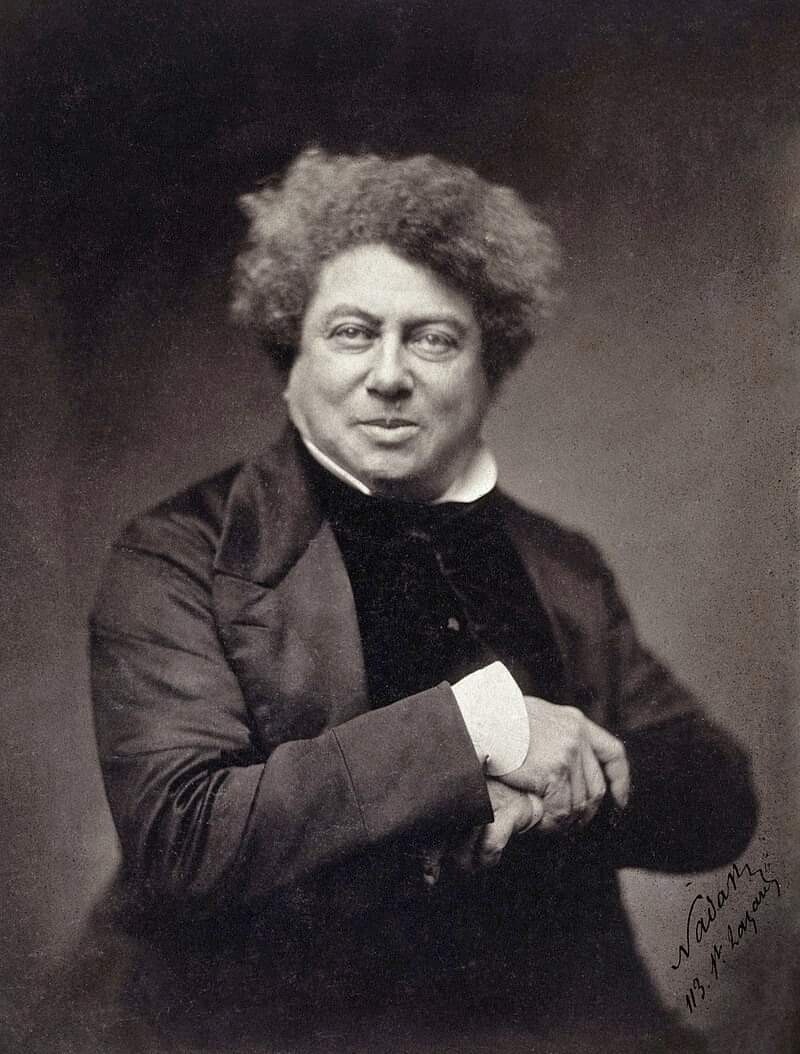
#OTD 24 July 1802 Alexandre Dumas was born. Son of the great general Thomas-Alexandre Dumas, Alexandre became one of the greatest authors of the 19th century, whose work The Three Musketeers & the Count of Monte Cristo remain classics.
Bickley, S.J., Chan, H.F. & Torgler, B. Artificial intelligence in the field of economics. Scientometrics 127, 2055–2084 (2022). DOI: https://doi.org/10.1007/s11192-022-04294-w #OpenAccess #OA #Journal #Article #ArtificialIntelligence #AI #MachineLearning #Economics #Finance #Scientometrics #Science #Bibliometrics #Academia #Academic #Academics @economics @science
Bibliolater 📚📜🖋📐
boosted

Researchers have created synthetic human embryos using stem cells.
So what does this mean for science, and what ethical issues does it present?
@KLMacKay @Sydney_Uni
https://t.co/EYFCLBlc90
Bibliolater 📚📜🖋📐
boosted

If you want to find your Twitter friends on Mastodon and the Fediverse, there's a tool that can help you do that:
➡️ https://fedifinder.glitch.me
FediFinder was created by @luca
(If you're wondering why it asks for authorisation, it's explained at https://social.luca.run/@luca/110768875074355454)
Bibliolater 📚📜🖋📐
boosted

The Language of Science
How the words we use have evolved over the past 175 years
🔗 https://www.scientificamerican.com/article/the-language-of-science/
#science #language #scientists #scientist #scientificlanguage
Bibliolater 📚📜🖋📐
boosted

Astronomer Vera Rubin was born #OTD in 1928.
Her work on galactic rotation curves became one of the main pieces of evidence for the existence of dark matter, and she deserved a Nobel Prize for it.
Image: Vassar College / Emilio Segrè Visual Archives
Bjørn, R. (2022). Indo-European loanwords and exchange in Bronze Age Central and East Asia: Six new perspectives on prehistoric exchange in the Eastern Steppe Zone. Evolutionary Human Sciences, 4, E23. doi: https://doi.org/10.1017/ehs.2022.16 #OpenAccess #OA #Journal #Research #Article #IndoEuropean #History #Histodon #Histodons #Linguistics #Archaeology #Genetics #BronzeAge #CentralAsia #Loanwords #Uralic #Turkic #OldChinese #Language #Languages #Culture #Academia #Academic #Academics @histodon @histodon @archaeodons @science
@linguistics
Liritzis, I. (2022). The ancient DNA of the N.E. Mediterranean/Euro-Asian Cultures and the Position of the Mycenaean Greeks among the first Cultures. https://doi.org/10.5281/zenodo.7031095 #OpenAccess #OA #Journal #Article #Archaeology #Ancient #DNA #aDNA #Science #Archaeogenetics #Humans #Yamnaya #Minoans #Greeks #Anatolians #IndoEuropeans #Academia #Academic #Academics @archaeodons @science
Bibliolater 📚📜🖋📐
boosted

New #ebook @gutenberg_org: Essays and soliloquies by Miguel de Unamuno https://www.gutenberg.org/ebooks/71260
Stoneking, M., Arias, L., Liu, D., Oliveira, S., Pugach, I., & Rodriguez, J. J. R. B. (2023). Genomic perspectives on human dispersals during the Holocene. Proceedings of the National Academy of Sciences of the United States of America, 120(4). https://doi.org/10.1073/pnas.2209475119 #OpenAccess #OA #Anthropology #Genetics #Ancient #DNA #aDNA #Holocene #Genome #Science #Biology #Humans #Genomics #Academia #Academic #Academics @science @anthropology
Ben Allport (2023) Eastward and northward: a geographical conception of ‘Norðmannaland’ in Ohthere’s Voyage and its analogues in old Norse/Icelandic literature, Scandinavian Journal of History, 48:1, 1-25, DOI: https://doi.org/10.1080/03468755.2022.2123036 #OpenAccess #OA #Journal #Article #History #Histodons #Histodon #Medieval #Norway #Europe #Literature #Geography #Scandinavia #Academia #Academic #Academics @histodon @histodons
Bibliolater 📚📜🖋📐
boosted



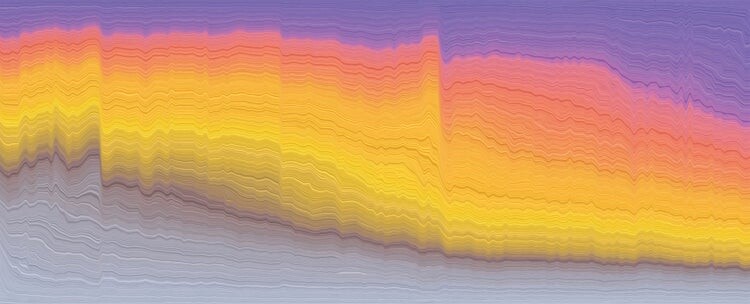

Ugaritic word of the day:
šḥr ("dawn).
(cover illustration by Markus Hedström)

Not a bot; a rather corpulent male approaching fifty years of age; married; father; a very very slow reader; barely reaching up to the level of mediocrity; an ignoramus who reads occasionally.
Toots are humanities, sciences, books and maps related. Toots or follows or boosts or mentions ≠ endorsements of any particular notion or notions. Expect many typing errors.
Addendum: for those wondering, I do not physically resemble a fountain pen.
Joined Nov 2022
