

Daniel Dvorkin @medigoth@social.cleverlibre.org
Bioinformaticist / biostatistician, veteran medic and infantryman, armchair paleontologist, occasional science fiction author, vaccinated liberal patriot.
Joined Oct 2022
@Marquestor, I do, so there! 😀
Statistics inside baseball. Read on if you want.
TIL that to fit a regression model for relative risk, you can use Poisson regression instead of the much finickier binomial regression with a log link. The first works on pretty much any reasonable data set. The second will fail about a quarter of the time, and it it works it will complain all the while.
Oh, and the relevant paper has been out for almost twenty years [1]. A five-year-old paper [2] shows that log-link binomial estimates *even when they work* are biased, while Poisson estimates aren't. As long as you use a robust variance estimator, the standard errors, and thus the p-values and confidence intervals, are nearly the same.
I've been tearing my hair out on this project trying to find a relative risk estimator that wouldn't choke on our data, and would execute in a reasonable amount of time for a large number of variables. Scouring software archives and statistical literature. Resigning myself to running warning- and crash-prone code, which I really dislike.
And the code for doing it the right way is *simple*.
`model = glm(reponse ~ predictor1 + predictor2, family=poisson)`
`library(sandwich)`
`library(lmtest)`
`coeftest(model, vcov=sandwich)`
Well. Live and learn.
[1] https://academic.oup.com/aje/article/159/7/702/71883
[2] https://bmcmedresmethodol.biomedcentral.com/articles/10.1186/s12874-018-0519-5
@amirot All the best people do!
Perhaps a bit late to the party, but I couldn't resist. You know, Shrewsbury's been there a long time, no rush.
This turned up on my Facebook feed. My response: "Here's to all the #antivaxers who didn't make it to 2023, and best wishes to the others for 2024."
"And so we get a curious phenomenon in the field of science fiction: sci-fi as a community in which science and scientists are valorised and in which anti-scientific ideas spread and are celebrated. While this may at first glance seem contradictory, the idea of the scientist as a heroic individual as opposed to science as a community of practice underpins this relationship when science fiction is in the mode of being a kind of fandom of science."
Yes. Exactly this.

I am very much digging this series of posts by @CamestrosF on the climate debate in the history of #sciencefiction publishing. From issues of OMNI ...
@trinsec right, like that. 😀
@trinsec Heh, yeah, it's old. But I'll bet there are millions of 1024x768 monitors soldiering on. That IMO was the "good enough" point where further improvements in resolution just didn't make much of a difference in working with text. For pictures and movies, sure, more is always better. But for bread-and-butter work like coding and spreadsheets, if it ain't broke, don't fix it.
Daniel Dvorkin
boosted


'Viruses also affect ecosystem processes, however, by lysing microbes and causing the release of nutrients (i.e., the viral shunt) and through the indirect consequences of host mortality (1, 2). Both of these research domains place viruses as the top “predator” in their food chains, but like most predators, viruses also can serve as food.'

@euractiv I'm not sure anything illustrates more clearly than this how delusional Russia's war aims really are.
Go straight ahead. It's important to keep balance in your life.

Seen in the wild: "On the bright side, Musk's genius business decisions might just make him a millionaire."
The first TV ad for #StarTrek, ever. Not an exaggeration to say the world changed that day.
Daniel Dvorkin
boosted
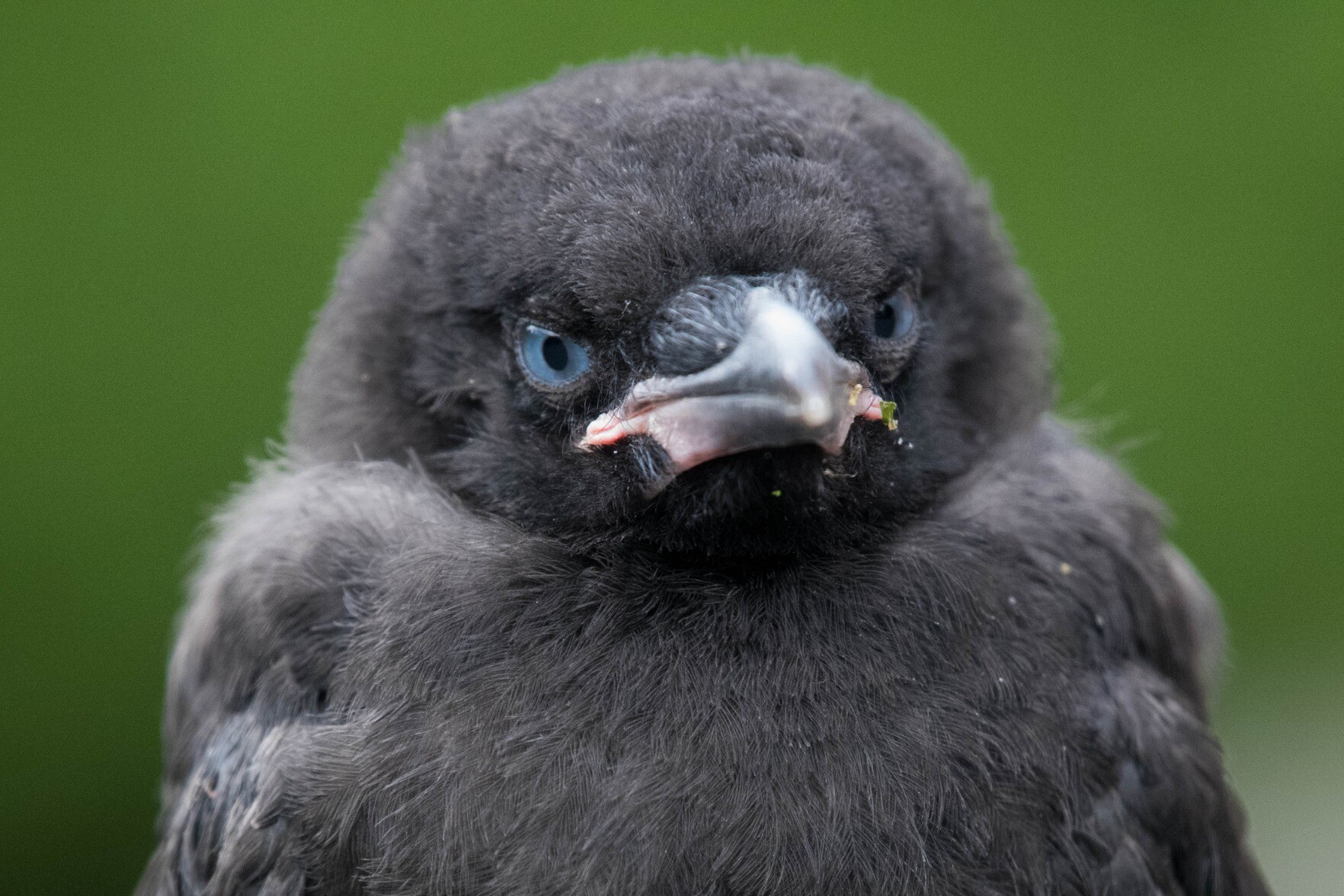
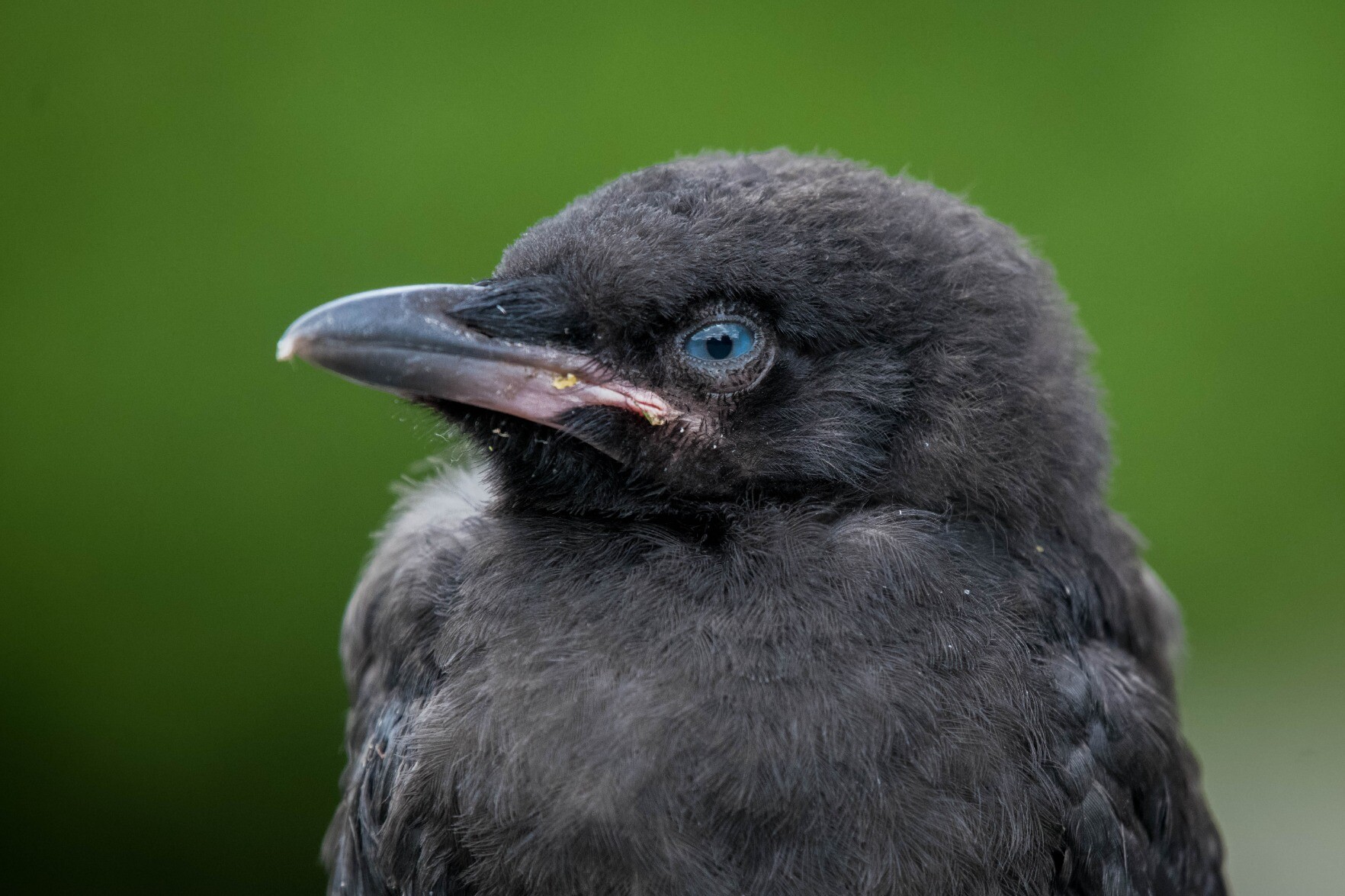
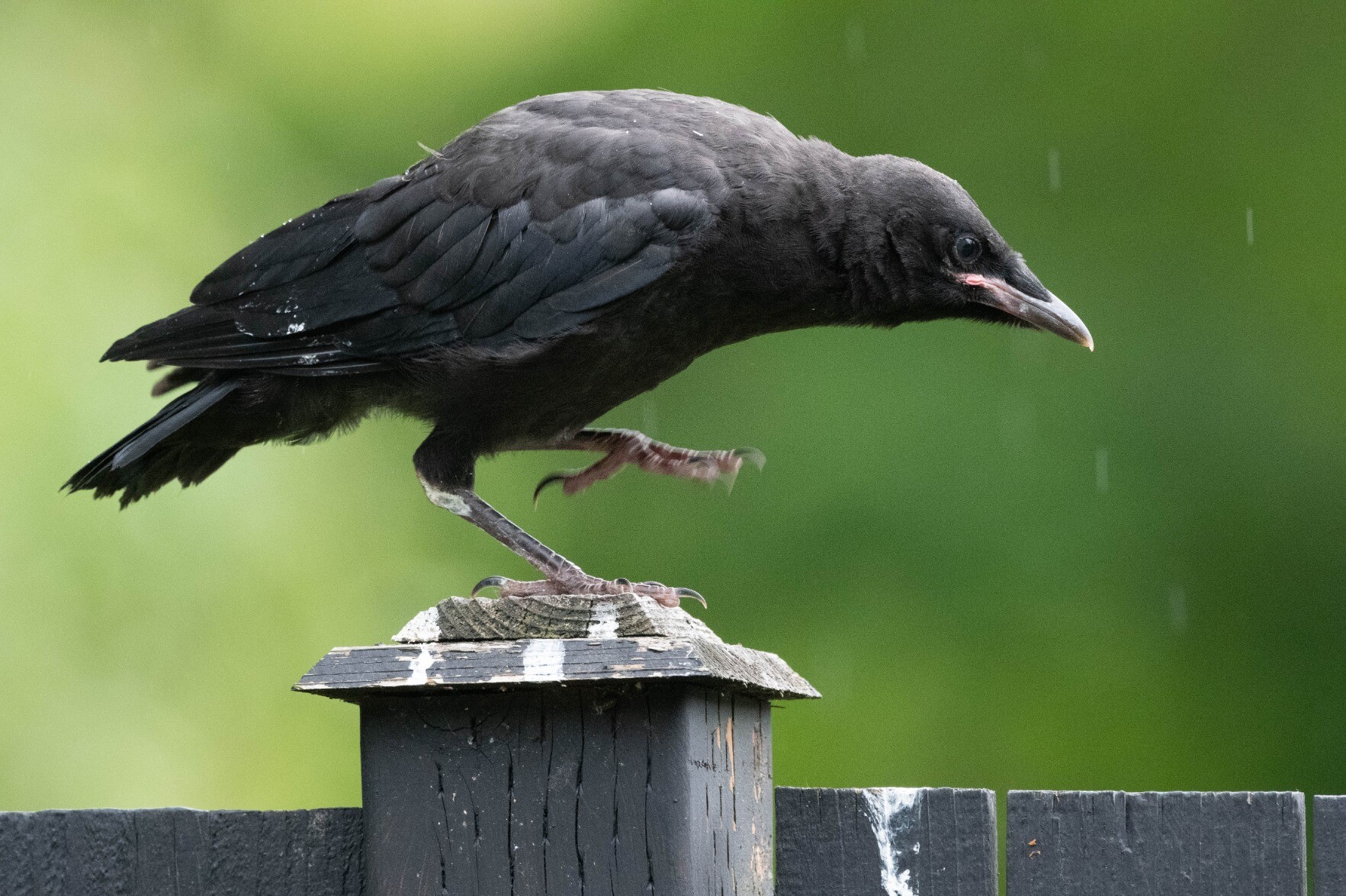
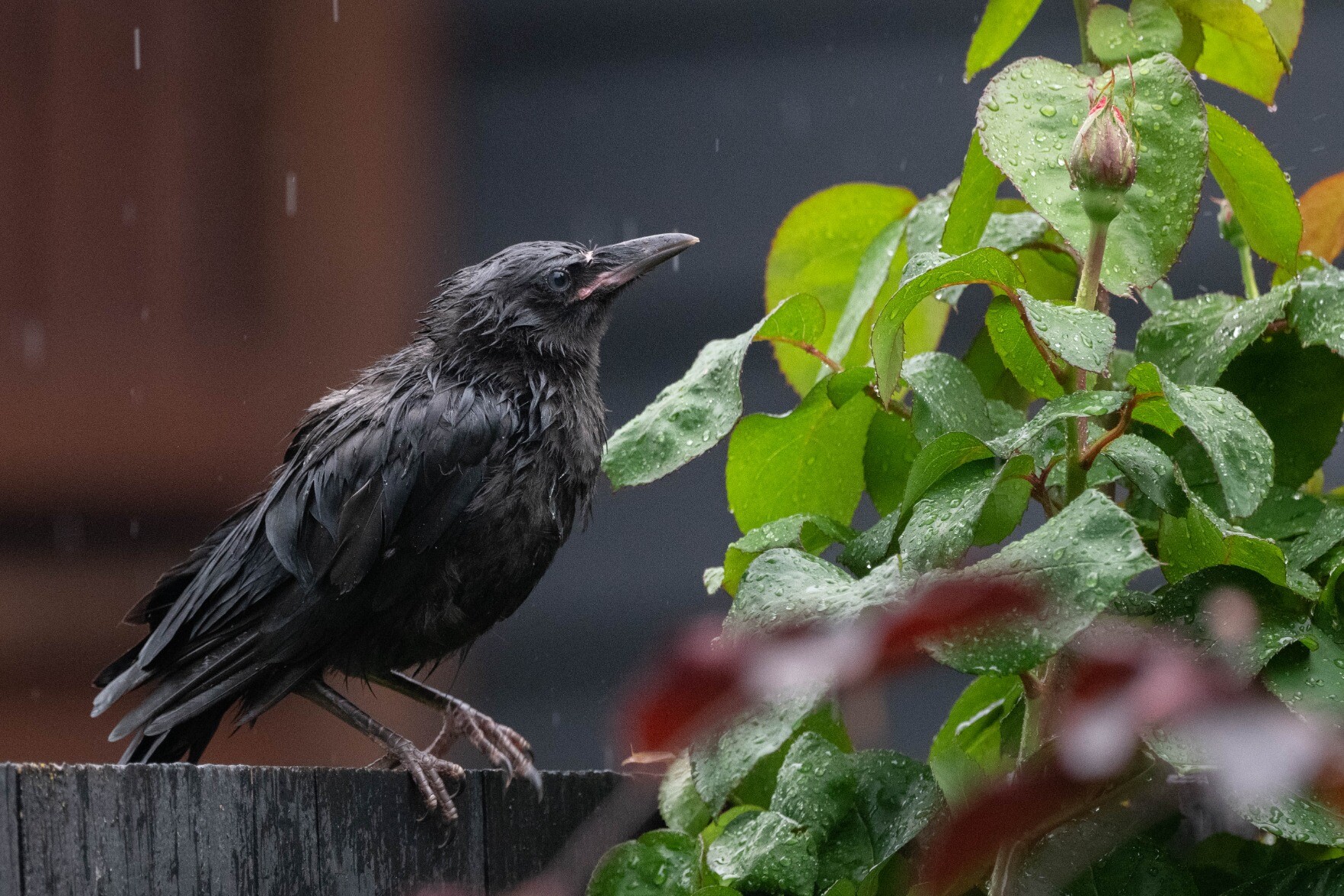
Then there are fledglings! If crows trust you, they will introduce you to their young ones.
Nothing is better.
Nothing.
Unless of course they think your evil scheme sounds like fun, in which case have at.

Which brings me to a warning. Tempting as it can be, under no circumstances should you use the instructions I’ve provided here to assemble your own...
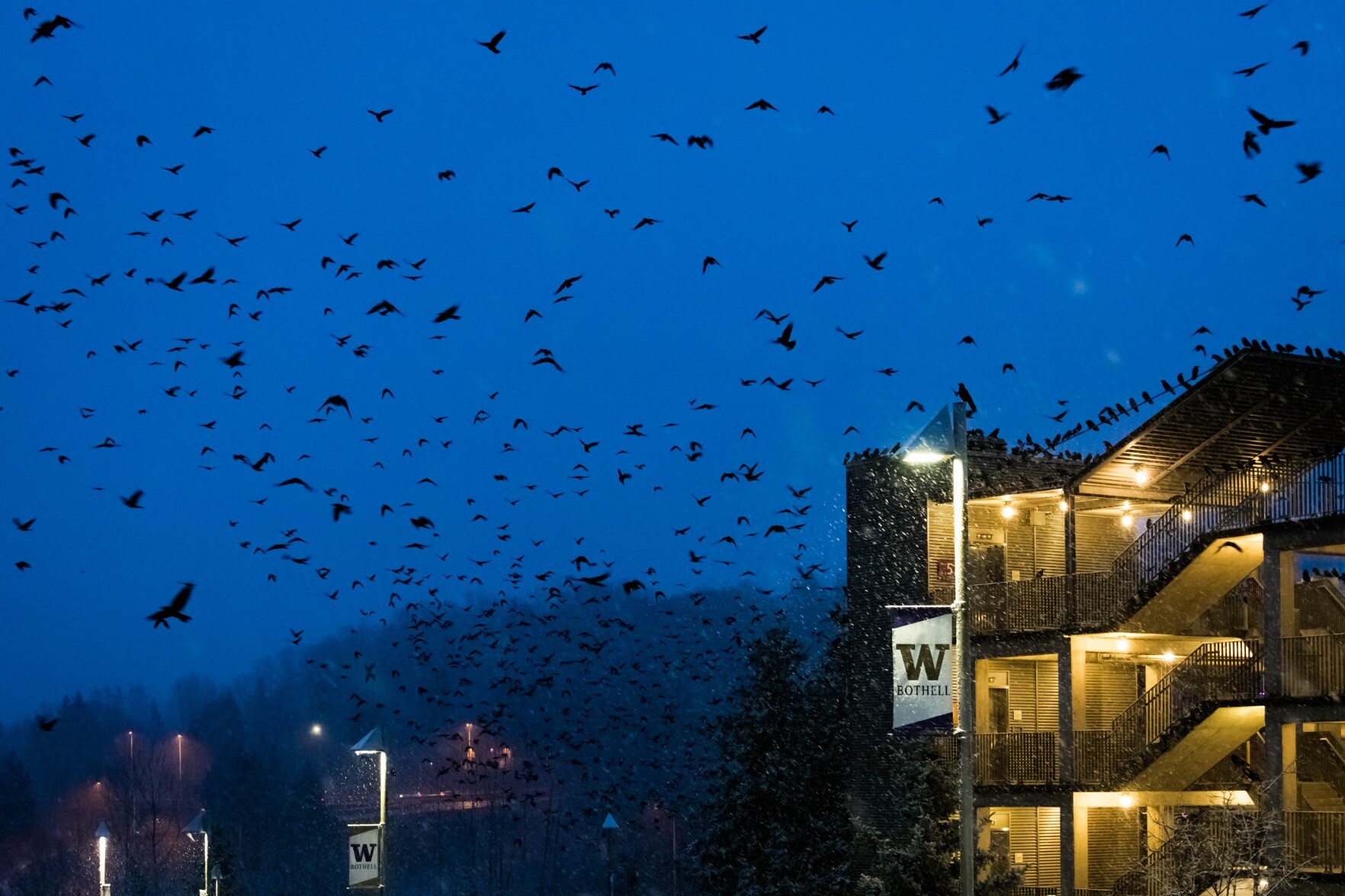
@ct_bergstrom Unless of course they think your evil scheme sounds like fun, in which case have at.
@BarrenPlanet@c.im I don't really agree that the gene is always or even usually the unit of selection: so much of my work is in discovering gene regulatory networks, involving hundreds or even thousands of loci, that I have a hard time believing selective pressures don't act on those networks at least as much as on the individual genes.
On a larger scale, I disagree with the gene-centric rejection of group selection. It may have started with kin selecton, but in social species it's gone far beyond that. As an obvious example, _Homo sapiens sapiens_ and _Canis lupus familiaris_ are far more successful together than either would be on their own, often acting against groups quite closely related to one or the other. Really I think we need to see "unit of selection" as a fuzzy classification at best.
All that being said, it doesn't really matter in arguing against this particular creationist straw man. Genes which cooperate with other genes, individuals who cooperate with other individuals, groups that cooperate with other groups ... all do quite well compared to going it alone.
Bioinformaticist / biostatistician, veteran medic and infantryman, armchair paleontologist, occasional science fiction author, vaccinated liberal patriot.
Joined Oct 2022
