

Daniel Dvorkin @medigoth@social.cleverlibre.org
Bioinformaticist / biostatistician, veteran medic and infantryman, armchair paleontologist, occasional science fiction author, vaccinated liberal patriot.
Joined Oct 2022
This turned up on my Facebook feed. My response: "Here's to all the #antivaxers who didn't make it to 2023, and best wishes to the others for 2024."
"And so we get a curious phenomenon in the field of science fiction: sci-fi as a community in which science and scientists are valorised and in which anti-scientific ideas spread and are celebrated. While this may at first glance seem contradictory, the idea of the scientist as a heroic individual as opposed to science as a community of practice underpins this relationship when science fiction is in the mode of being a kind of fandom of science."
Yes. Exactly this.

I am very much digging this series of posts by @CamestrosF on the climate debate in the history of #sciencefiction publishing. From issues of OMNI ...
Daniel Dvorkin
boosted

'Viruses also affect ecosystem processes, however, by lysing microbes and causing the release of nutrients (i.e., the viral shunt) and through the indirect consequences of host mortality (1, 2). Both of these research domains place viruses as the top “predator” in their food chains, but like most predators, viruses also can serve as food.'
Go straight ahead. It's important to keep balance in your life.
Seen in the wild: "On the bright side, Musk's genius business decisions might just make him a millionaire."
The first TV ad for #StarTrek, ever. Not an exaggeration to say the world changed that day.
Daniel Dvorkin
boosted
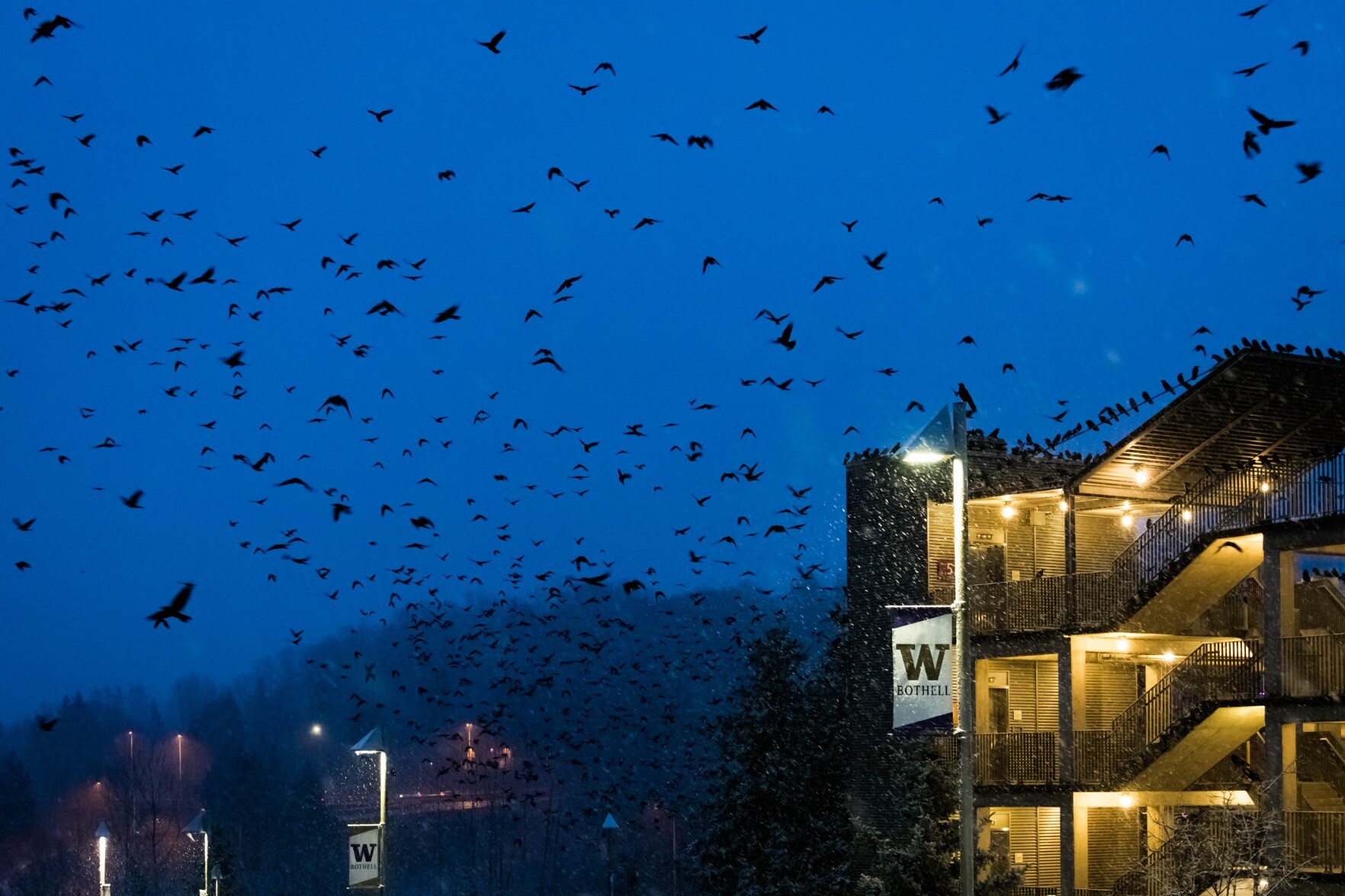
Then there are fledglings! If crows trust you, they will introduce you to their young ones.
Nothing is better.
Nothing.
Unless of course they think your evil scheme sounds like fun, in which case have at.

Which brings me to a warning. Tempting as it can be, under no circumstances should you use the instructions I’ve provided here to assemble your own...
Daniel Dvorkin
boosted

What strikes me with the mansplaining here when we bring up quote tweets, is how many of us who are experts on being harassed on and off line, people do this to. You don’t need to explain to me what leads to harassment when there have been articles written about the harassment I’ve gotten, and that doesn’t even cover 5% of it. Stop the urge to mansplain.
Daniel Dvorkin
boosted

He talked about electric cars. I don't know anything about cars, so when people said he was a genius I figured he must be a genius.
Then he talked about rockets. I don't know anything about rockets, so when people said he was a genius I figured he must be a genius.
Now he talks about software. I happen to know a lot about software and Elon Musk is saying the stupidest shit anyone's ever said, so when people say he's a genius I figured I should stay the hell away from his cars and rockets.
To be fair, and as the article acknowledges, #Mastodon *is* harder to use than #Twitter or #Facebook. A lot of the difficulty is in deciding where to get started, the paralysis of choice, and that can leave a bad taste in your mouth which affects the whole experience. First impressions matter.
But it isn't *that* much harder, and there's real value in choice too. More to the point—again as the article says—there's value in, well, values. Nobody's getting rich off Mastodon. It exists because people think something like it would be neat to have, and they want to share that neatness with others who think the same. There are egos involved to be sure, but no one person's ego can bring it all crashing down.
As a practical matter, it is AFAICT the first and only open-source, distributed, not-for-profit social media platform that registers as a threat to the big players. That counts for a lot in my book.
Remember when the internet felt promising instead of overwhelming, depressing, and sometimes terrifying? Mastodon's bringing some of that back, at least for me.

Tech Journalism Doesn’t Know What to Do With Mastodon. https://worldhistory.medium.com/tech-journalism-doesnt-know-what-to-do-with-mastodon-df1309f...
Daniel Dvorkin
boosted
"To their Indigenous descendants, the stories we tell about these First Peoples of the Americas are highly relevant for additional reasons. Their deep ties and claims to the lands have often been ignored or expunged by governments, media and corporations across North and South America in order to make room for narratives that are more palatable, exciting or convenient to certain non-Native groups. The historical exclusion of Indigenous peoples from making decisions about research on their own ancestors and lands has caused significant harms to Native communities and individuals; when Native scientists and community members are full participants in the research process, the stories that emerge are not only more respectful but also more accurate."
https://aeon.co/essays/the-first-americans-a-story-of-wonderful-uncertain-science
This is one of those stories that either is the start of something huge or will sink like a stone: not much in between.
#Tessera's claims are ambitious but not unprecedented. One of our clients does something similar with stem cells, and they have a product that's actually made it to market. As far as I can tell, Tessera is claiming the ability to do this in all kinds of cells, with whole living organisms. Which would be a really big deal.
From a bioinformatics / biostatistics perspective (you knew that was coming) I have Questions about consistency. Doing it once, or ten times, or a thousand, isn't enough. You need to do it *trillions*, very accurately indeed. With cell cultures you just screen out the cells that didn't do what you wanted and keep the ones that did: insert "bury their mistakes" joke here. And with stem cells it's particularly easy to know when you have it right.
"65 percent efficiency—20 times the rate at which it performed unintended or errant edits" sounds quite good on a cell-by-cell basis, although I'd like to see the error bars on those numbers. In a patient, it would be an unmitigated disaster. Congratulations, we've cured your muscular dystrophy ... and given you ten different types of cancer.
More generally, their secrecy does not fill me with confidence, of the 95% variety or any other. As I've said many times before, science done in secret isn't science at all, it's alchemy.
Well. It's early days yet. Let's just hope Tessera isn't another Theranos, because I am *really tired* of that. If they do achieve any of what they're claiming, I'll be cheering them on.
#genetics #geneediting #genewriting #stemcell #bioinformatics #musculardystrophy #cancer
https://www.the-scientist.com/bio-business/can-gene-writing-deliver-what-gene-editing-can-t-70740
Seen in the wild: "All a #PhD tells me is you were at least able to cram study and pass tests."
I can't even.
Do people really think this? Obviously this guy does, but in general? An honest question, not a rhetorical one.
I've spent a significant chunk of my life in the company of people with #doctorates—including two grandparents, so I understood from childhood that getting a PhD was quite different from any other kind of degree. Most people I know haven't, but everyone who was part of my life through my long and winding #academic career has a pretty good idea what I did to become #Doctor Dvorkin. For anyone who doesn't know, I'm always happy to give a quick sketch.
Among people who don't have family or friends who have done it, and have never thought seriously about doing it themselves ... is that the perception, that grad school is just a more intense version of elementary school through college? More tests, more cramming, more regurgitation, and then you get some shiny new letters after your name?
If that's the case, I guess I can't blame them, exactly. Like I've said before, most people have no idea how most of the things I've done for a living in my life actually work. The #military, #medicine, #science: all quite mysterious except for what people *think* they know from movies and TV, which is often worse than complete ignorance. So I guess it's shouldn't be a surprise if #academia is on that list.
But I would really like to know how widespread this view is. Maybe I can do something with that.
Daniel Dvorkin
boosted


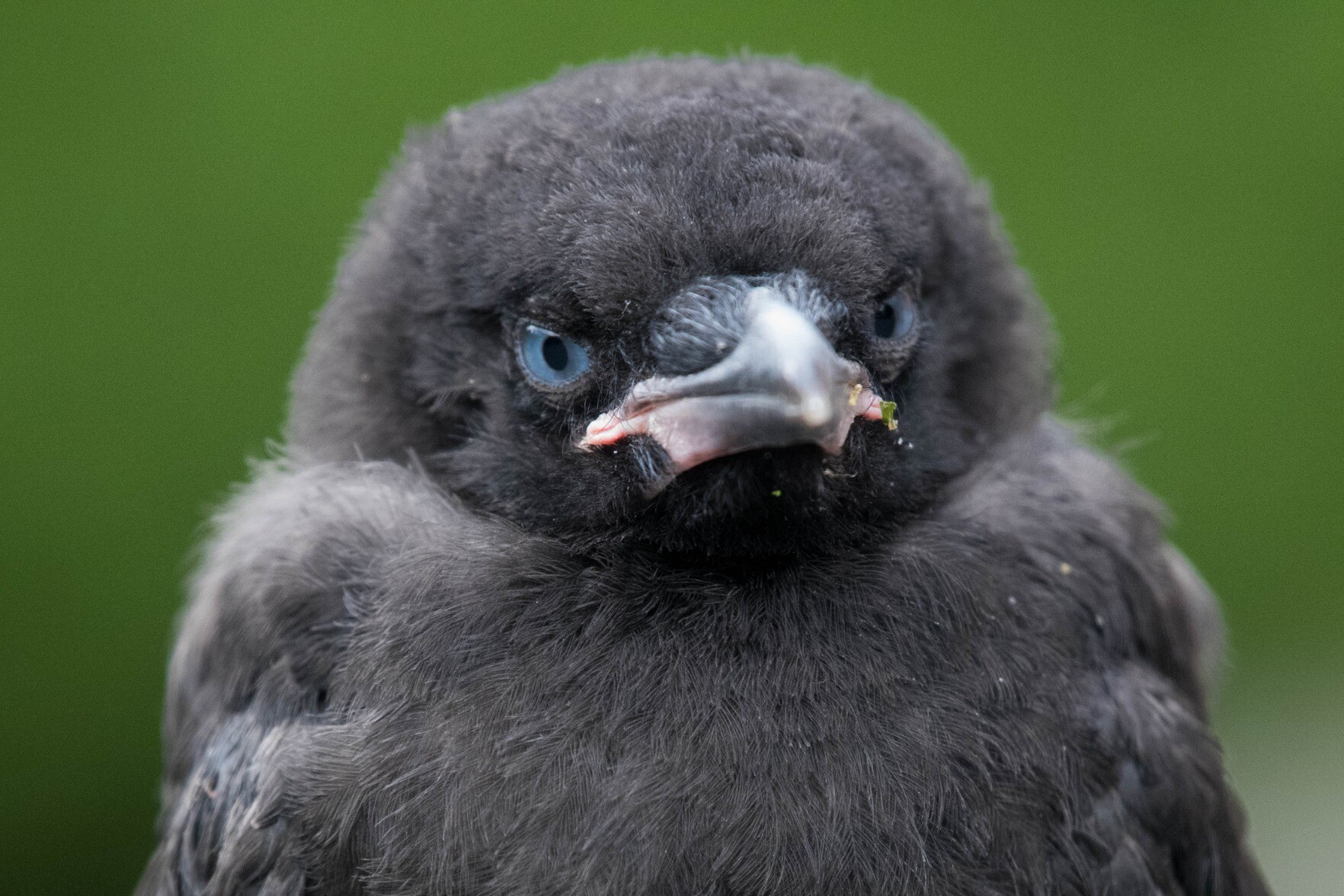
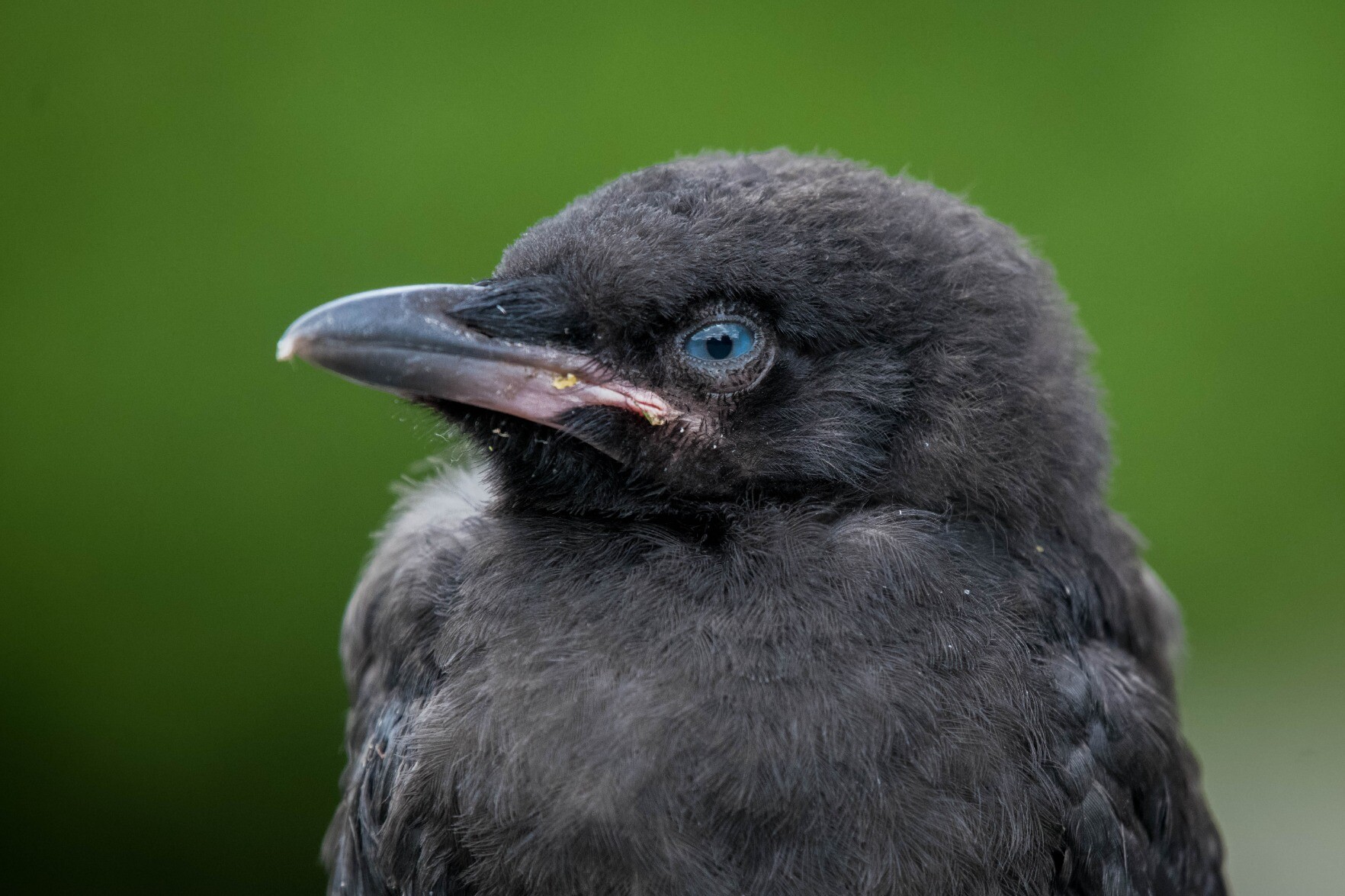
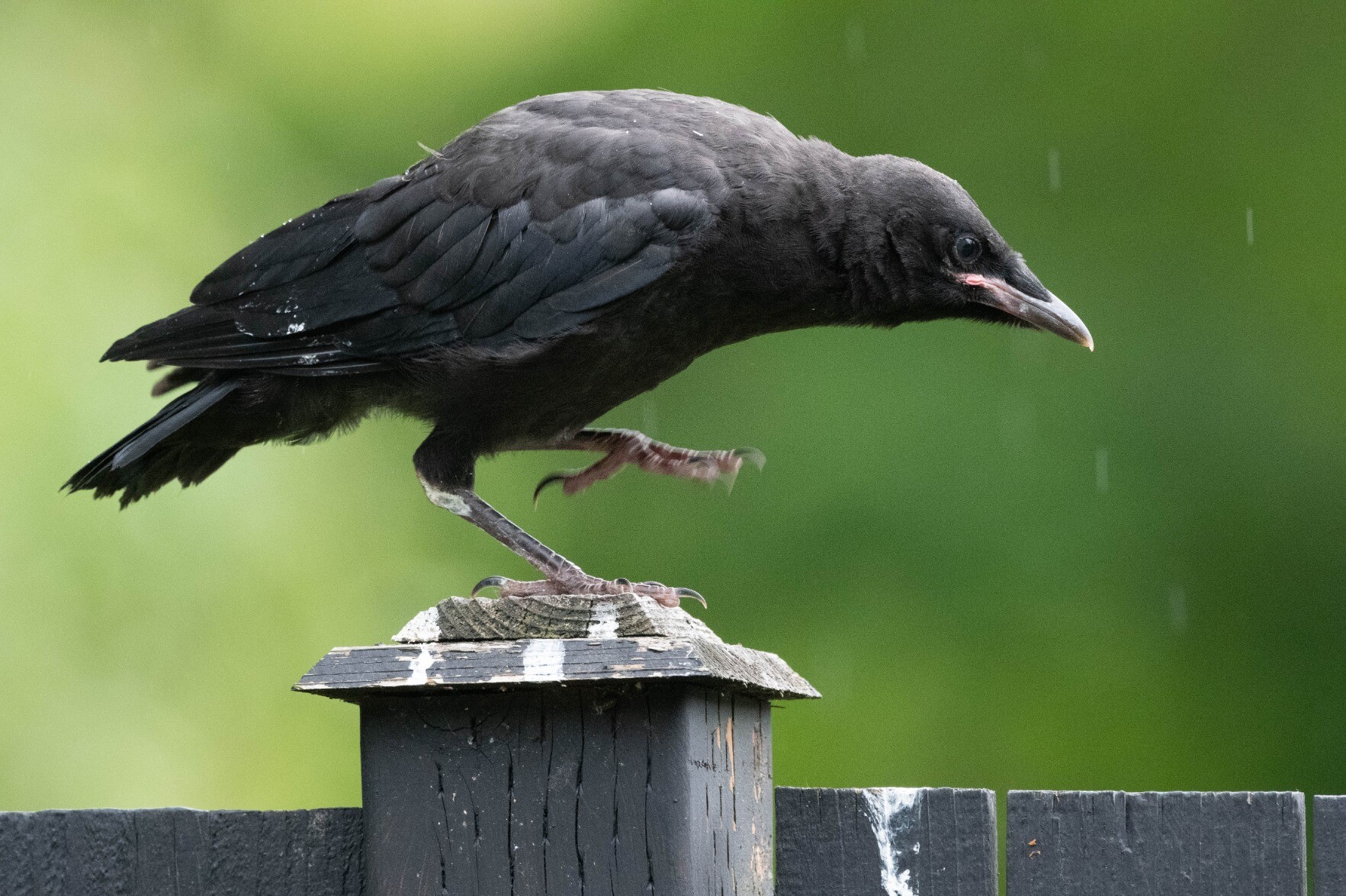
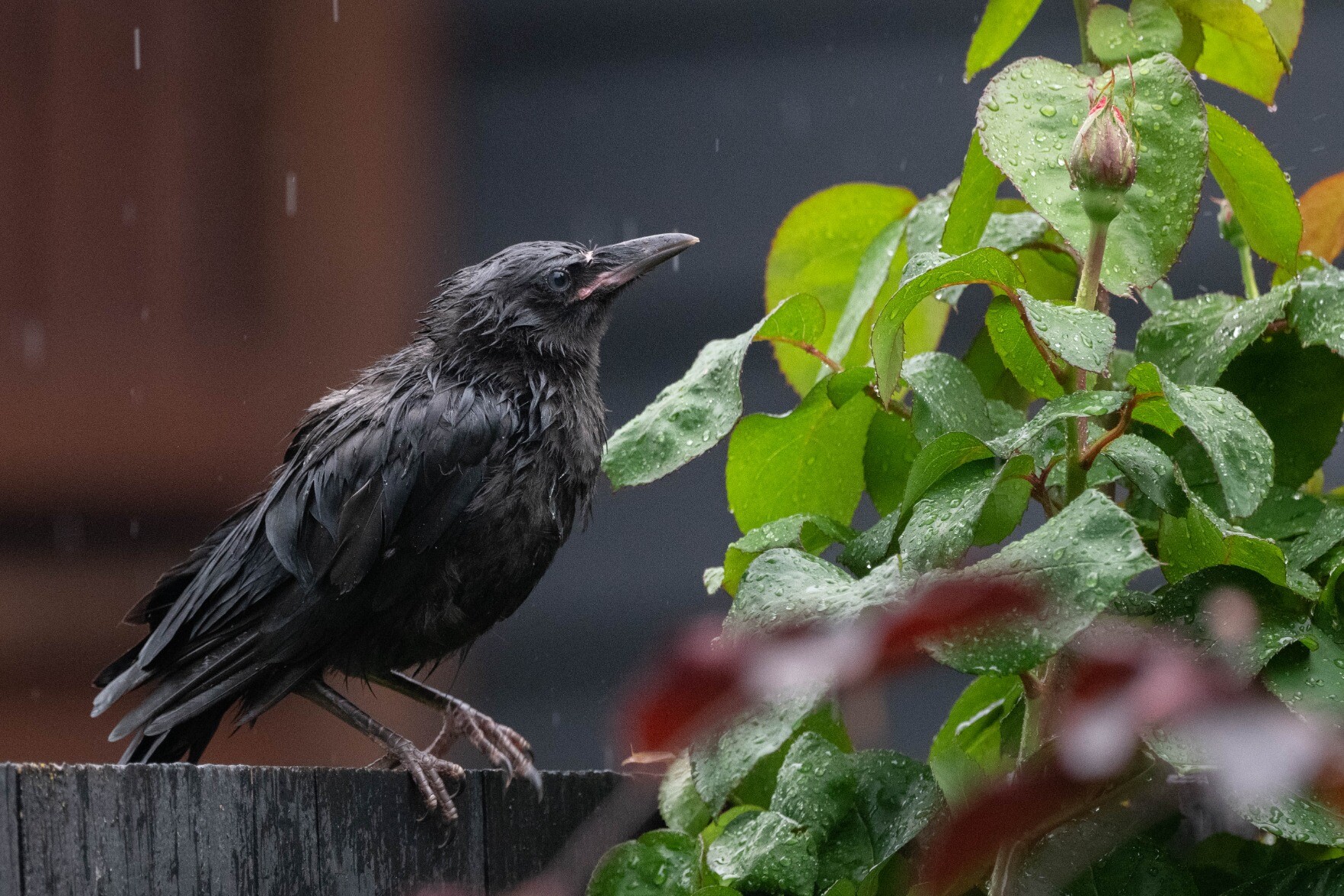

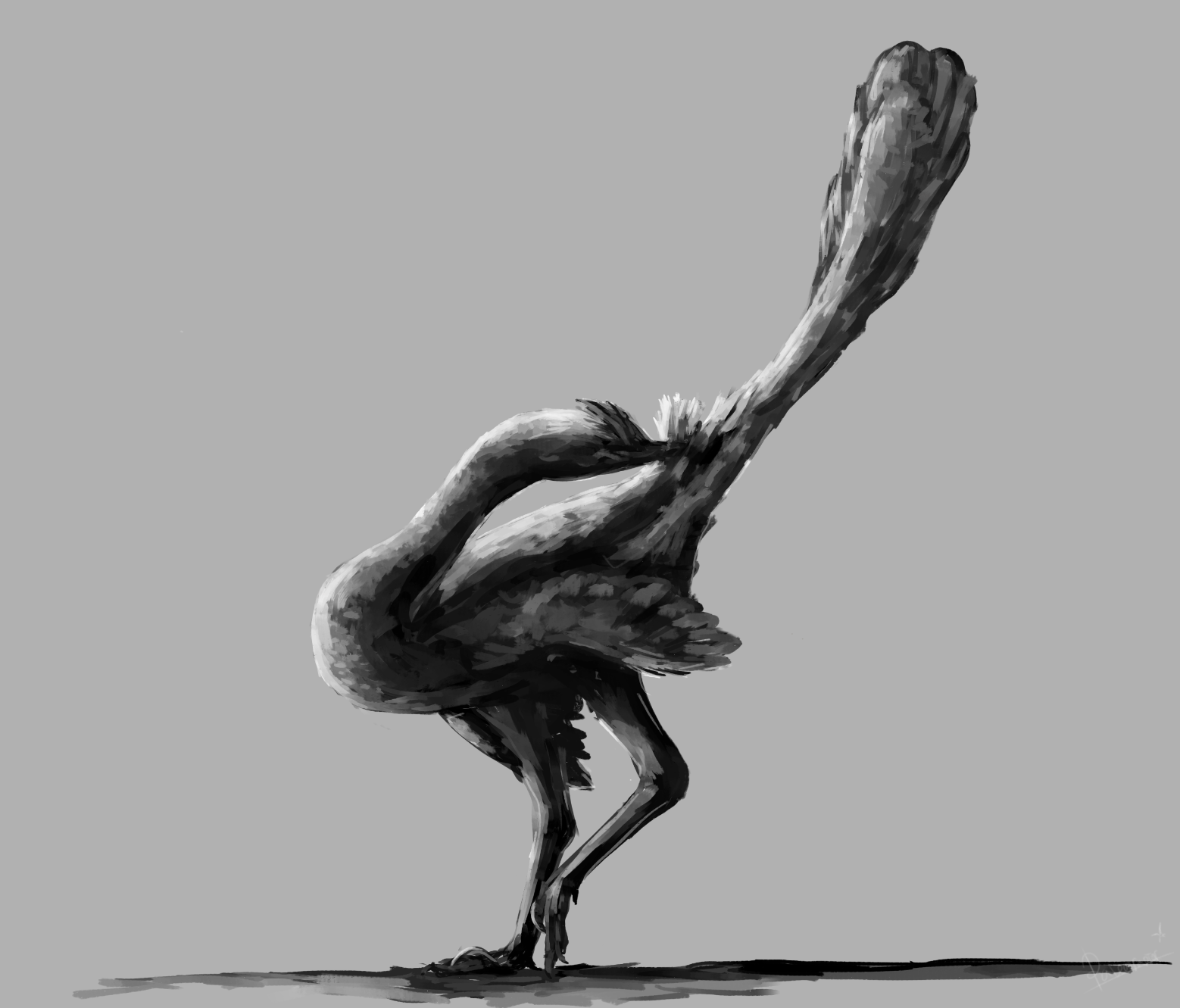
A quick little study of a Natovenator preening from earlier today

Bioinformaticist / biostatistician, veteran medic and infantryman, armchair paleontologist, occasional science fiction author, vaccinated liberal patriot.
Joined Oct 2022
