

Neurofrontiers @neurofrontiers@social.cleverlibre.org
We're a neuroscience blog trying to make neuroscience accessible for everyone! Check it out here: https://neurofrontiers.blog
Joined Nov 2021
@NicoleCRust Thank you as well!
@NicoleCRust Yes, I find it easier to write there because I can spend a lot of time researching the information. It also helps that I can write as much as I want to explain myself, so I feel like I can integrate the information better into a wider context.
Yes, at least for me it would be an incredibly helpful learning opportunity if more established folks took the time to engage with the topics of those less established and it would reduce some of the anxiety around it.
Neurofrontiers
boosted

imagine deciding which engineers to keep around based on lines of code and choosing to keep the ones who wrote the MOST
On pseudoscience and conspiracy theories
Watching friends and family fall prey to various pseudoscientific ideas and from there delving deeper into conspiracy theory territory is such a disheartening experience.
For one, once they start going down that rabbit hole, they completely stop listening to reason. Attempts to talk about their newfound beliefs, be it astrology, crystals, frequencies of the universe, or whatever, are at best met with the phrase "well, if you say so" followed by total shutdown. At worst, they start arguing that there's "two sides to everything" and that "just because we don't have that much evidence, it doesn't mean it's not true". And from there, they follow an almost certain path towards various fringe conspiracy theories, one more ridiculous than the next.
What's worse, there seems to be some sort of pseudoscience for everyone. Even those with a decent background in STEM will find something that suits them. The newest craze seems to biohacking/neurohacking. People pumping themselves full of supplements, or getting "maps of their optimal brain frequencies" or using all sorts of gadgets to increase their quantity of REM or non-REM sleep and other equally ridiculous "self-optimizing" ideas.
It's draining just standing by and watching them become increasingly more divorced from reality, all the while feeling so utterly powerless. And not only feeling powerless because there's nothing to say to even open up the possibility of discussion, but also because you feel yourself slowly turning into the sort of "well, actually..." smartass no one wants to have around. Feeling powerless because you see in real time how you're losing people who were once closest to you unless you sacrifice your beliefs and pretend to live in the same made-up fantasy world as they do.
Neurofrontiers
boosted

I recently had a fascinating conversation with a group of bright PhD students who were net enthusiastic about social media but felt great about watching & learning but fearful of chiming in. If that describes you, what holds you back from posting? And as we move to this new platform, is there anything that we can do to facilitate your participation?
The types of issues that the students brought up included things like fear that their posts might be wrong or misinterpreted.
@NicoleCRust Fear of saying something wrong and making a fool of myself + contributing to the ever-growing mountain of misinformation.
Fear that maybe I misunderstood what the person was talking about when something doesn’t make that much sense to me.
Also sometimes I feel like what I wanted to say has already been articulated so much better by someone else, so no point in repeating.
But I’m trying to overcome this and post more, Mastodon seems much friendlier compared to the 🐥
Neurofrontiers
boosted

Academics in psychology, neuroscience, cognitive science, etc.: I've created a repository for our accounts to help people find and bulk-follow each other on mastodon:
https://kaitclark.github.io/mastodon-psychology/
Please let me know if you want to be added!
(based on the repository by https://social.tchncs.de/@perspektivbrocken in Sociology)
Neurofrontiers
boosted

#feditip: add .rss to the end of most pages you see on a Mastodon server to get an RSS feed for your RSS reader.
Level 2: go about your day without internet, then in the evening settle down at your Computer Desk with a nice cup of tea to RSS-digest the day's shitposts.
Level 3: Aggregates your RSS feeds into epub format. Load the output onto your 2000's e-ink e-reader via USB cable. Sit in an overstuffed armchair with a nearby lamp, say aloud "Ah, yes, today's internet" and sip your port.
Neurofrontiers
boosted

If you haven't seen it before, this video does a wonderful job of tearing apart Musk's Loop/Boring company idea: https://youtu.be/4dn6ZVpJLxs
Neurofrontiers
boosted

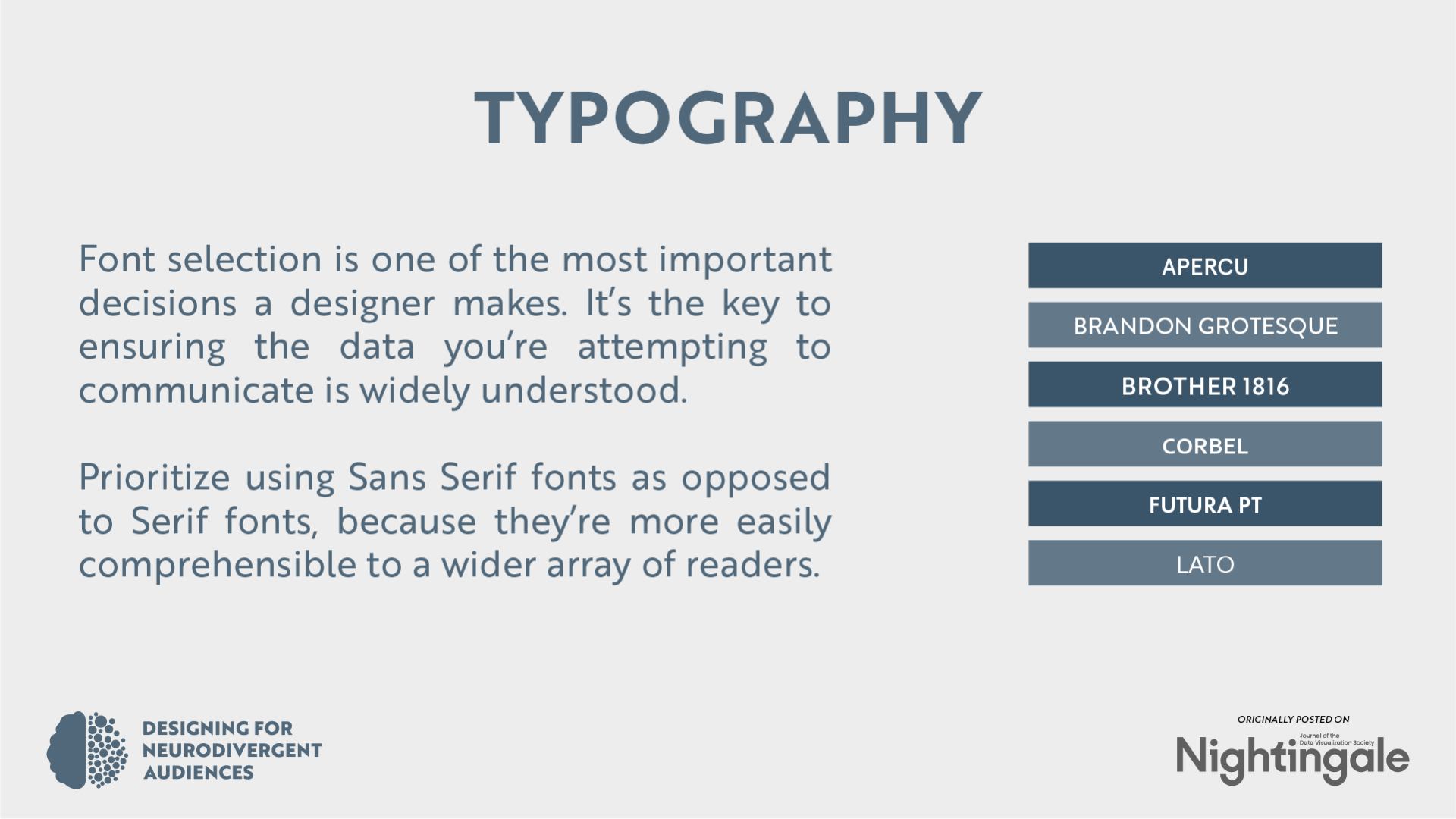
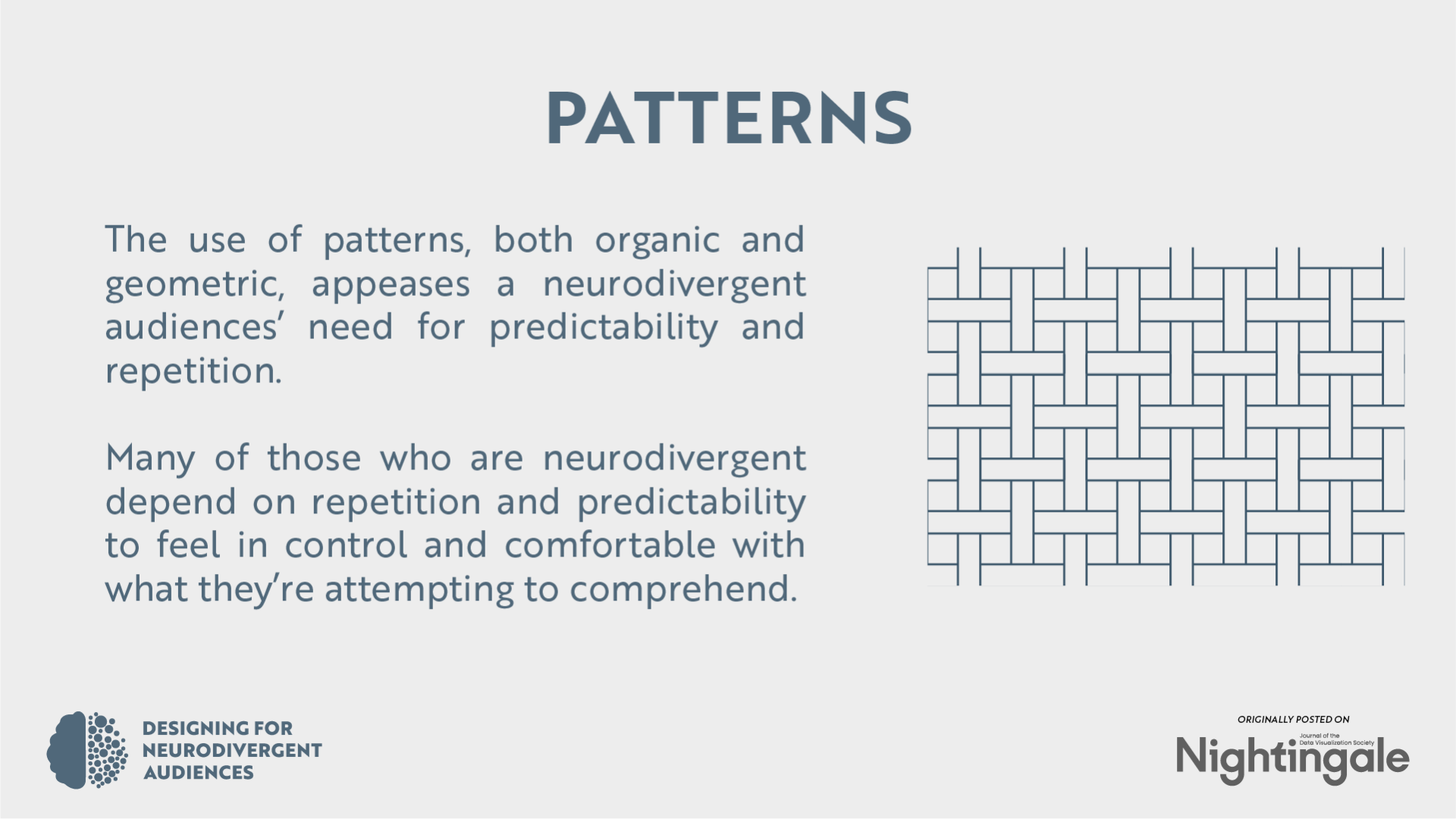
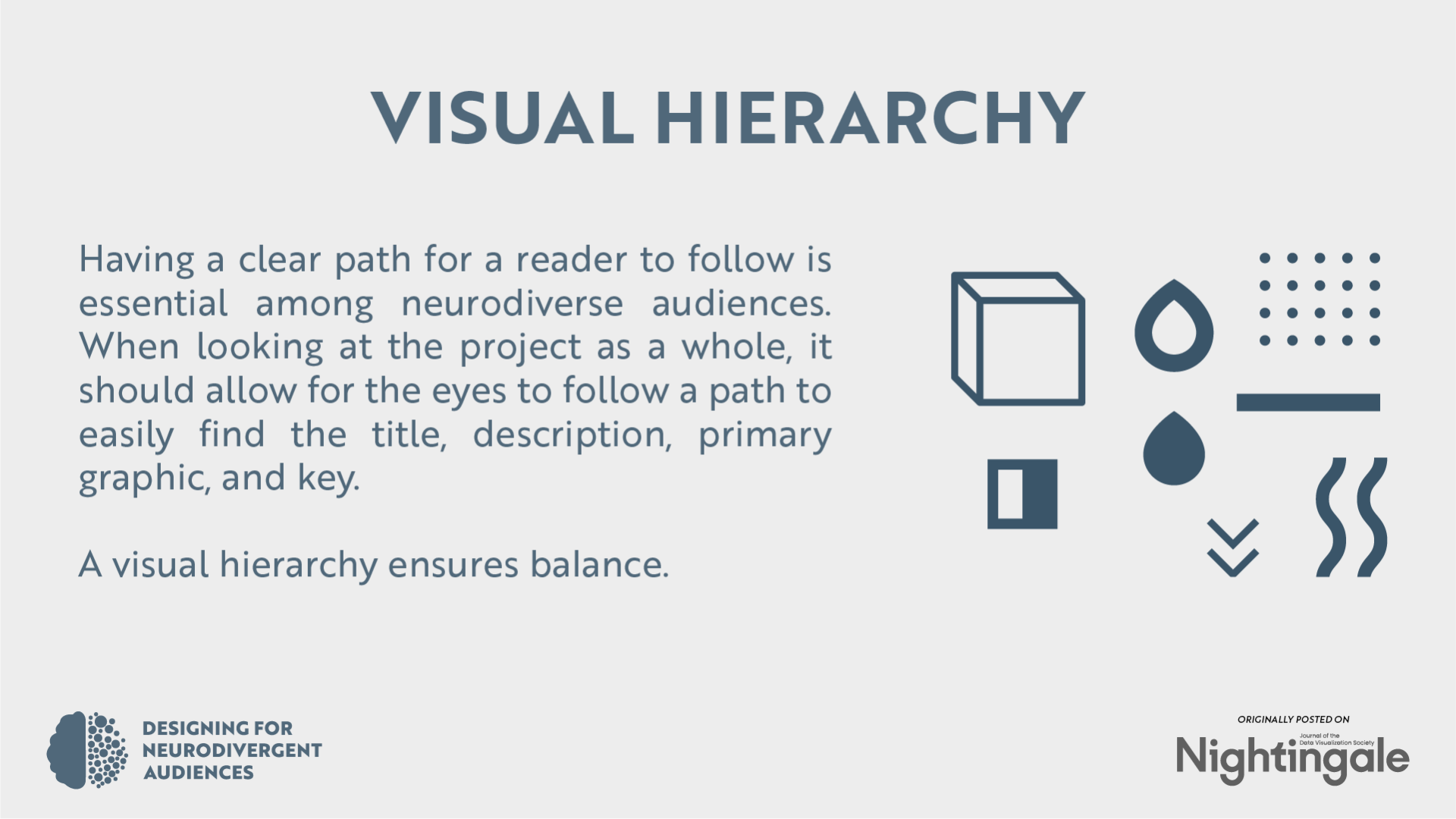
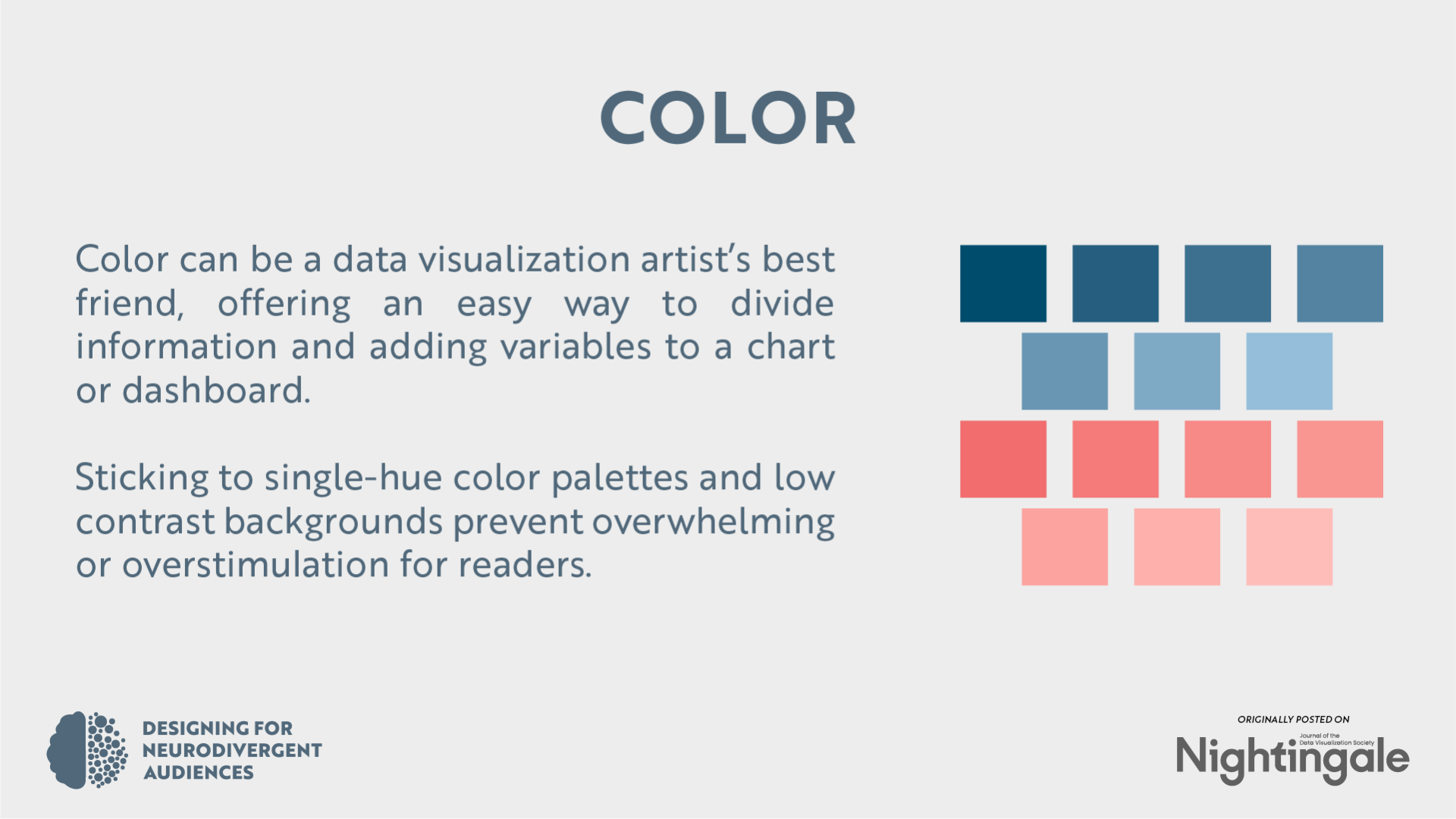
A few #dataviz design guidelines to improve accessibility for neurodiverse readers. #a11y
Read my full article here: https://nightingaledvs.com/designing-for-neurodivergent-audiences/
Find more resources here: https://github.com/dataviza11y/resources
Neurofrontiers
boosted

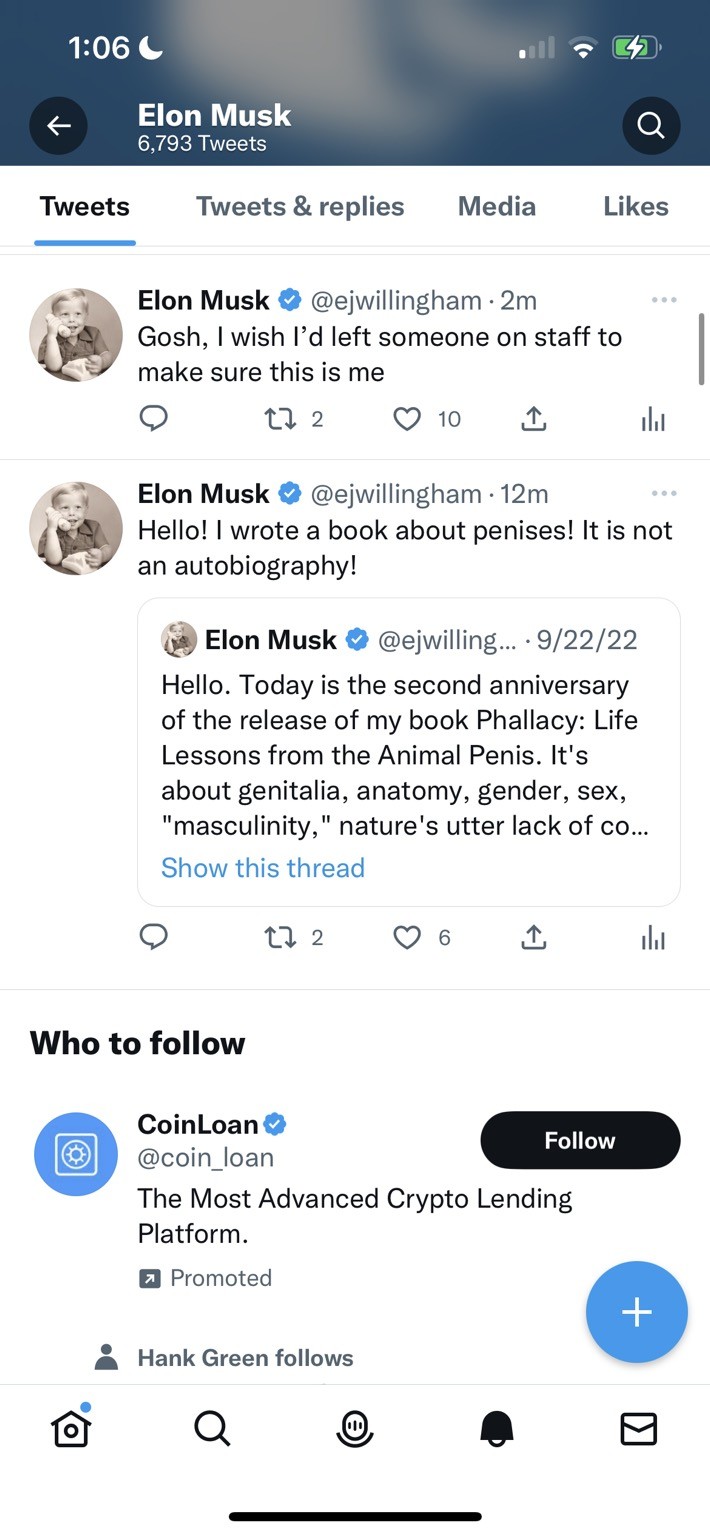
Hello! I have been permanently suspended from Twitter for this:
Neurofrontiers
boosted

If you're still on #Twitter, please include a link to your #Mastodon or other #Fediverse accounts in your profile 👍 Or post and pin it.
This would make it easier for people to find you here.
Neurofrontiers
boosted

#introduction hi all 👋 I'm a neuroscientist turned full time science writer who's always been interested in animal communication. Studied songbirds in undergrad + grad school 🐦, now focused on relaying science in interesting and accessible ways as a PIO at Duke/the Institute for Brain Sciences 🧠
Word nerd in my rapidly diminishing spare time -- NYT x-word (Sun - Thurs), devout Susie Dent fan, wannabe professional Scrabbler.


@barefootstache Live talks. With the recorded ones it’s easier, I can pause, rewind or skip forward according to what I need, plus adjust the playback speed to something I’m comfortable with.
@AmandaSiegel This is a good tip, I’ll give it a try. Thank you!
@digital_carver True, that works for me as well, but like you said, those talks aren’t so common. I’m glad to hear I’m not the only one who has problems with the rest.
Serious question: how do you remain focused during talks? Does it come naturally to you? No matter how hard I try, my attention drifts to the voice and the intonation of the speaker and usually by the time I realize I’ve spaced out, I’ve already missed some key point, making it even more difficult to follow the rest.
Neurofrontiers
boosted



We're a neuroscience blog trying to make neuroscience accessible for everyone! Check it out here: https://neurofrontiers.blog
Joined Nov 2021
