

sojournTime @sojournTime@social.cleverlibre.org
- GitHub (Personal)
- https://github.com/dataNerd23
Data Science PhD Student
Likes math, stats, space, and board games (especially Dominion: https://dominion.games/).
⬛️⬛️⬛️⬛️⬛️✨⬛️⬛️⬛️⬛️⬛️⬛️
⬛️✨⬛️⬛️⬛️⬛️⬛️⬛️⬛️⬛️✨⬛️
⬛️⬛️⬛️⬛️🛰️⬛️⬛️⬛️✨⬛️⬛️⬛️
⬛️⬛️⬛️⬛️⬛️🌎⬛️⬛️⬛️⬛️⬛️⬛️
⬛️⬛️🌒⬛️⬛️⬛️⬛️⬛️⬛️✨⬛️⬛️
⬛️⬛️⬛️⬛️⬛️⬛️✨⬛️⬛️⬛️⬛️⬛️
Joined Apr 2022
sojournTime
boosted


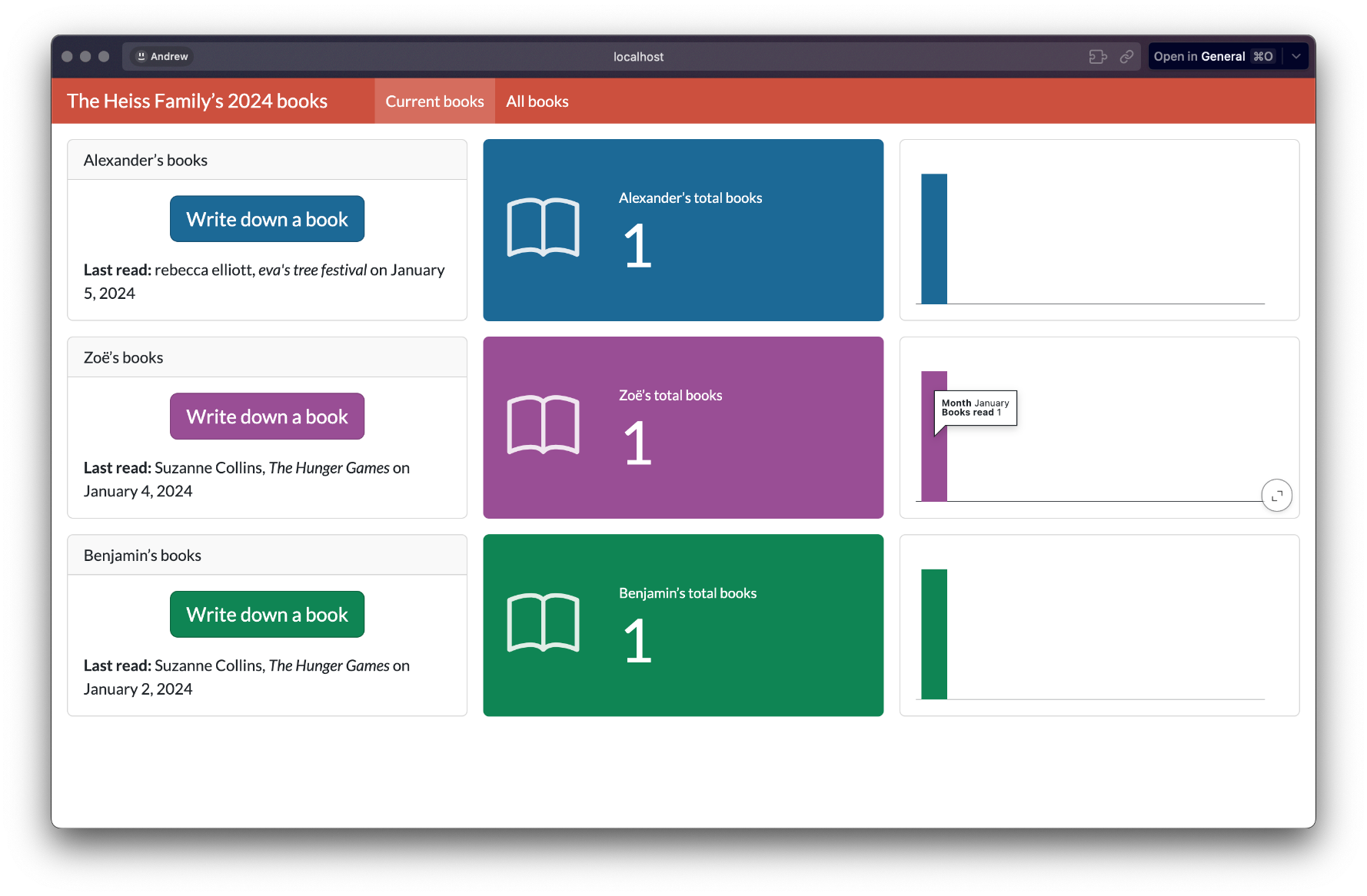
ahhhh this is so cool! Finally decided to play with #QuartoPub dashboards (https://quarto.org/docs/dashboards/ ) and ObservableJS to automatically grab data from multiple Google Sheets and plot/show the data. No need for Shiny or anything—refreshing the page gets the latest data!
sojournTime
boosted

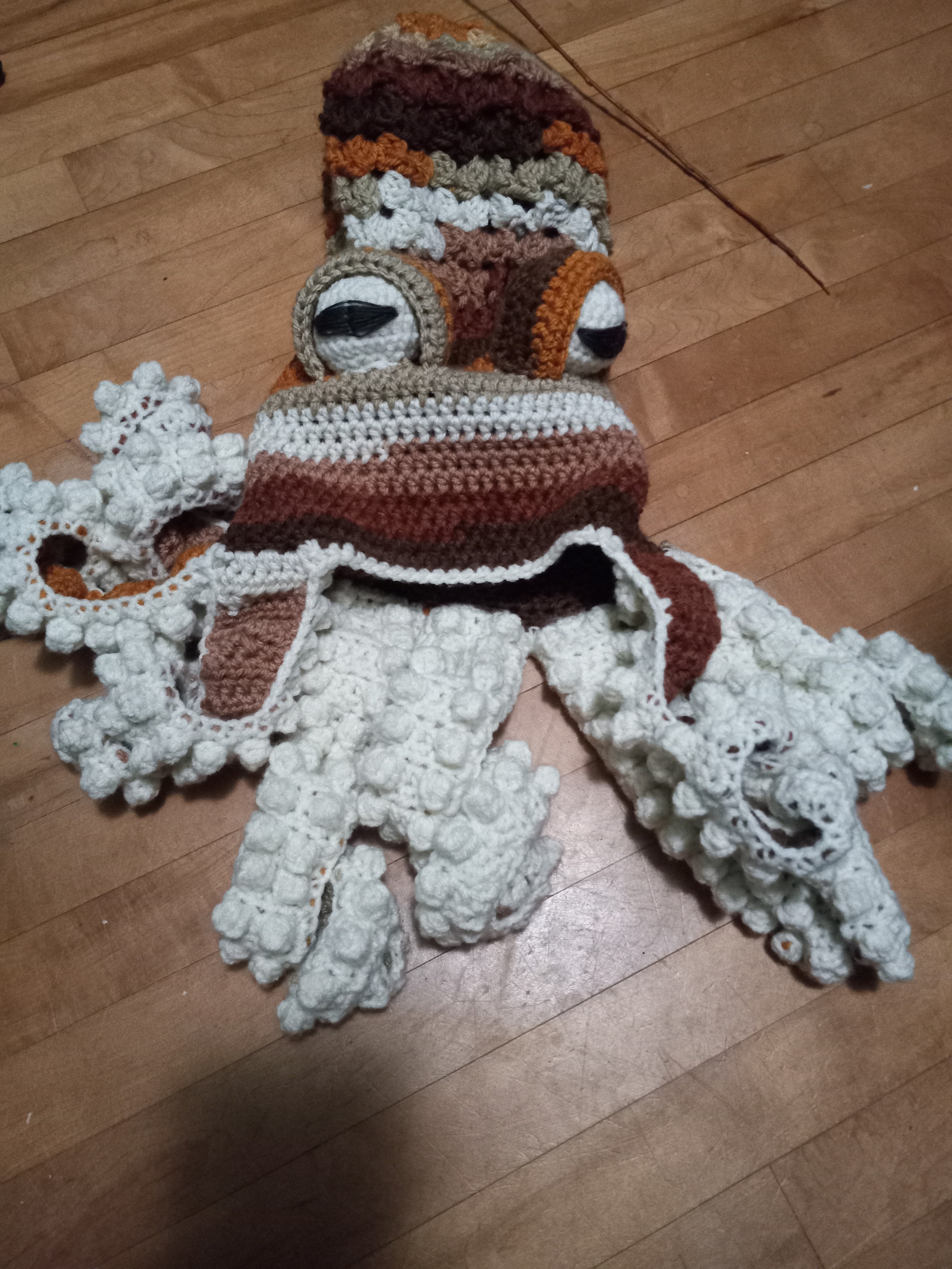
selfie
I think this is the 7th octopus hat that I've made (using this really excellent pattern https://www.thetwistedhatter.com/product-page/twisted-kraken-pattern). Friends and family keep asking for them, and it's really fun to make.
I pretty much always have some #knitting or #crochet project going, it keeps me focused through both in-person and Zoom meetings and no matter how stupid the meeting, always makes me feel like I'm not totally wasting my time because I'm making something!
sojournTime
boosted

Not only has Brandt Bucher opened a PR to add #JIT compiling to #CPython, he's done it via poetry!
'Twas the night before Christmas, when all through the code
Not a core dev was merging, not even Guido;
The CI was spun on the PRs with care
In hopes that green check-markings soon would be there;
The buildbots were nestled all snug under desks,
Even PPC64 AIX;
Doc-writers, triage team, the Council of Steering,
Had just stashed every change and stopped engineering,
sojournTime
boosted


sojournTime
boosted

resurrecting Charles Dickens and forcing him to watch the Muppets Christmas Carol
sojournTime
boosted

sojournTime
boosted
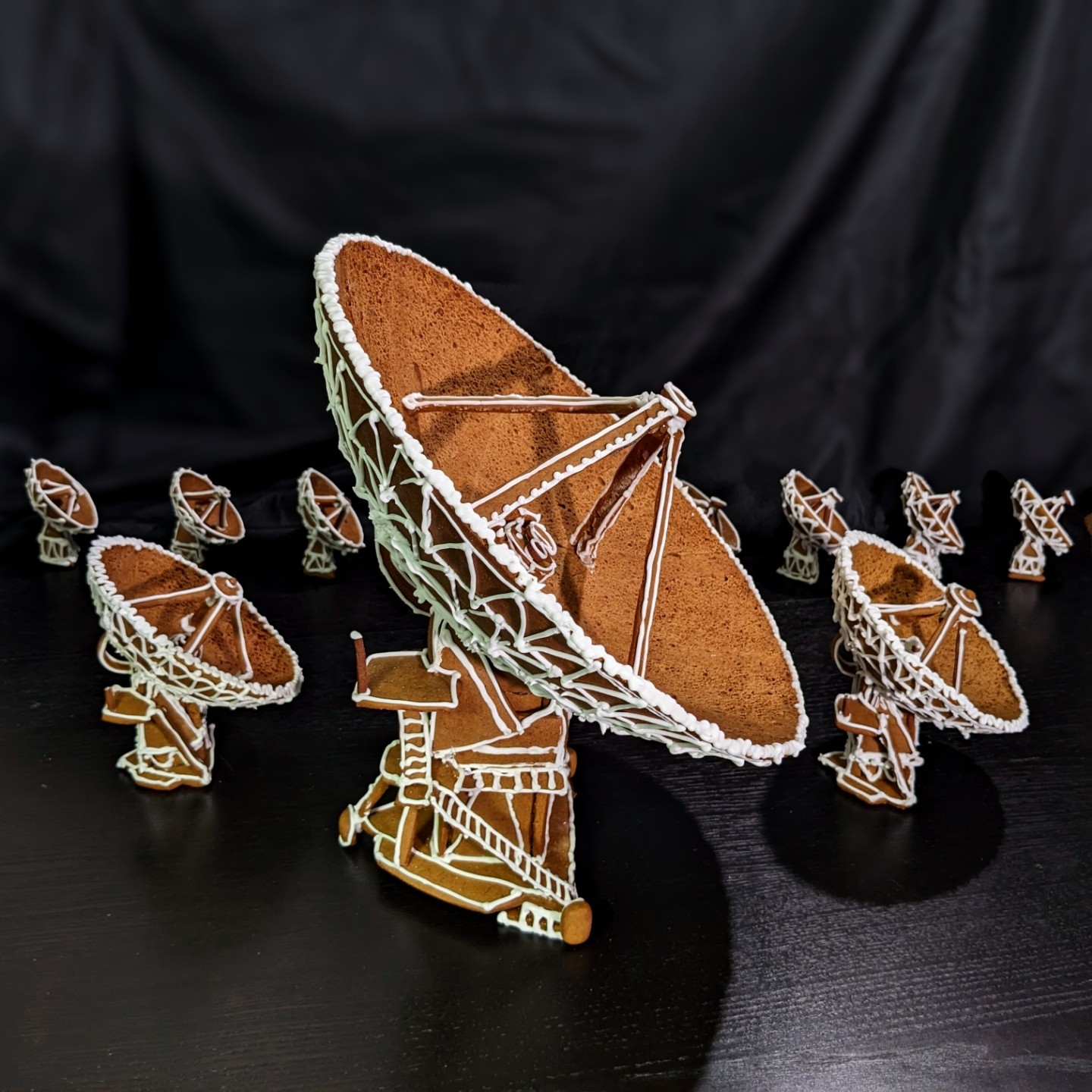
For this year's gingerbread I made... the VLA!
sojournTime
boosted

I got a letter from the Origami Association this morning. I don't know what to make of it.

Tagging @tao since the paper quotes him concerning the cap set problem.
sojournTime
boosted

On the internet there’s a law that every conversation will somehow devolve to mention Hitler.
It’s different on Mastodon.
You get told about Linux instead.
sojournTime
boosted




We've all been there: it's puzzle time, but once you dump out the pieces and start laying them flat, you realize you don't have enough space on your table. Join me as we use physics to find out ✨HOW BIG A TABLE YOU NEED FOR YOUR JIGSAW PUZZLE ✨
sojournTime
boosted
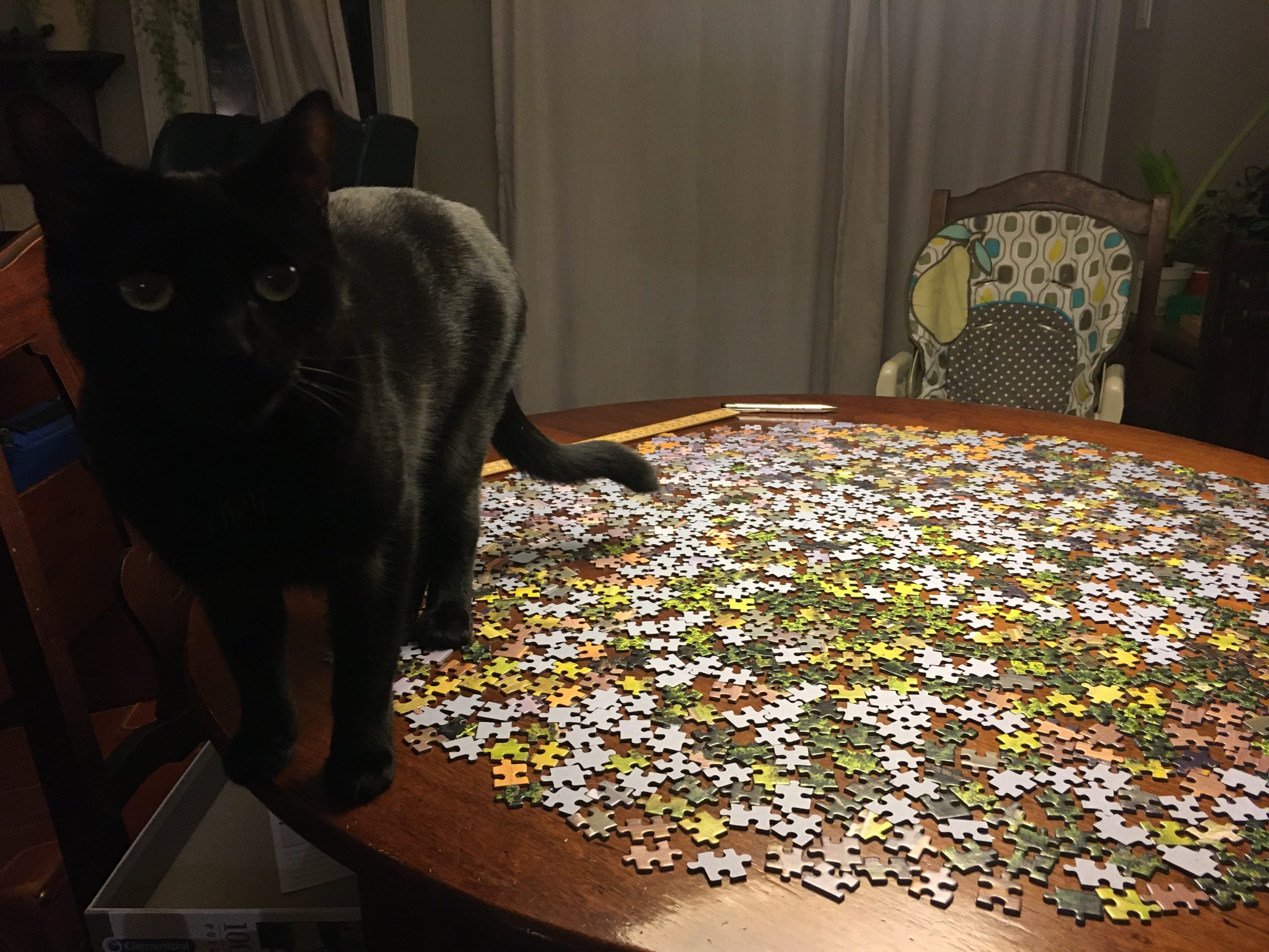
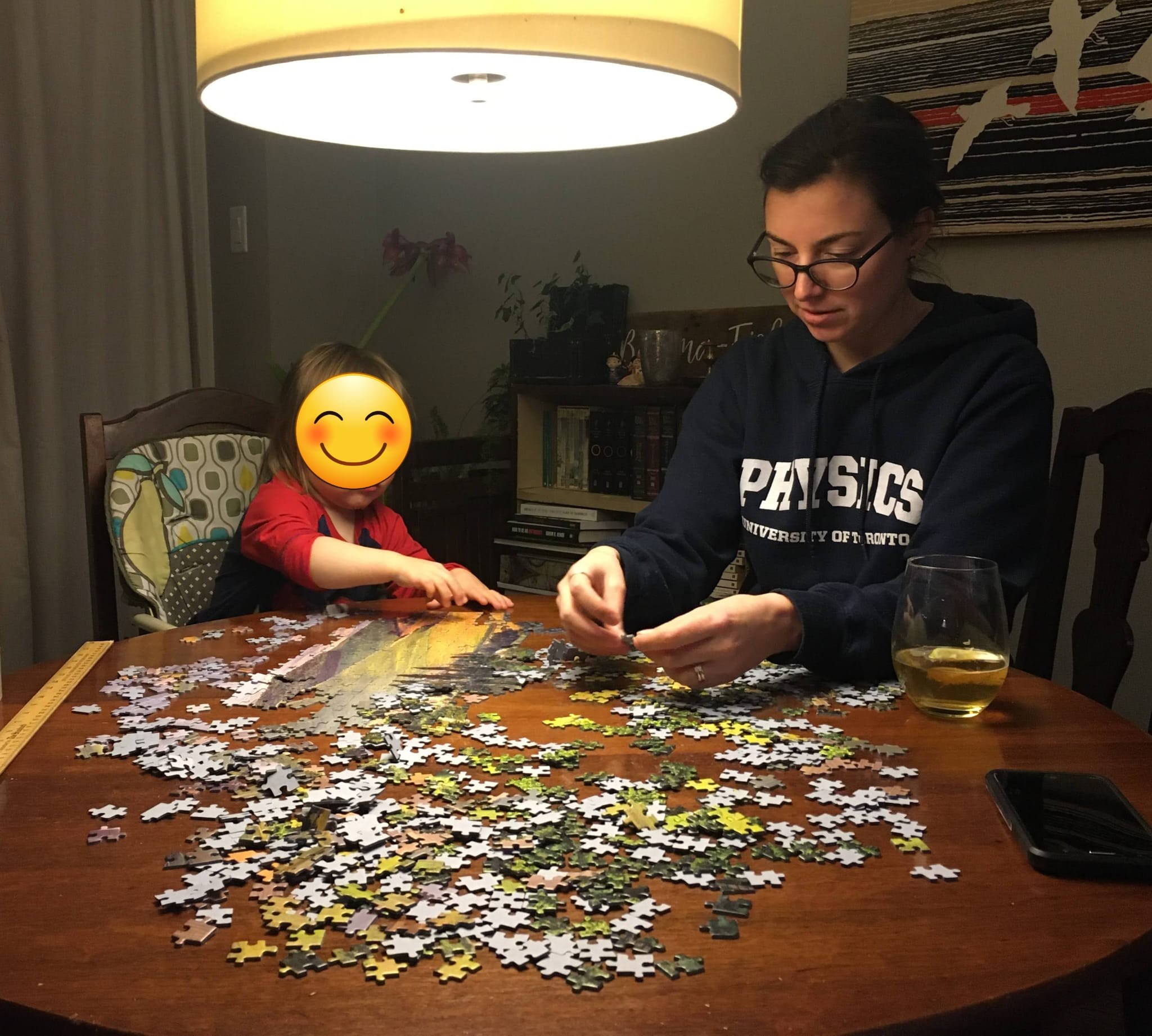
This work was a pandemic collaboration between me and the brilliant Kent Bonsma-Fisher, with assistance from our toddler and cat. The result, in his words, was "the cleanest dataset I have ever collected." Today our results are public on #arXiv!
sojournTime
boosted
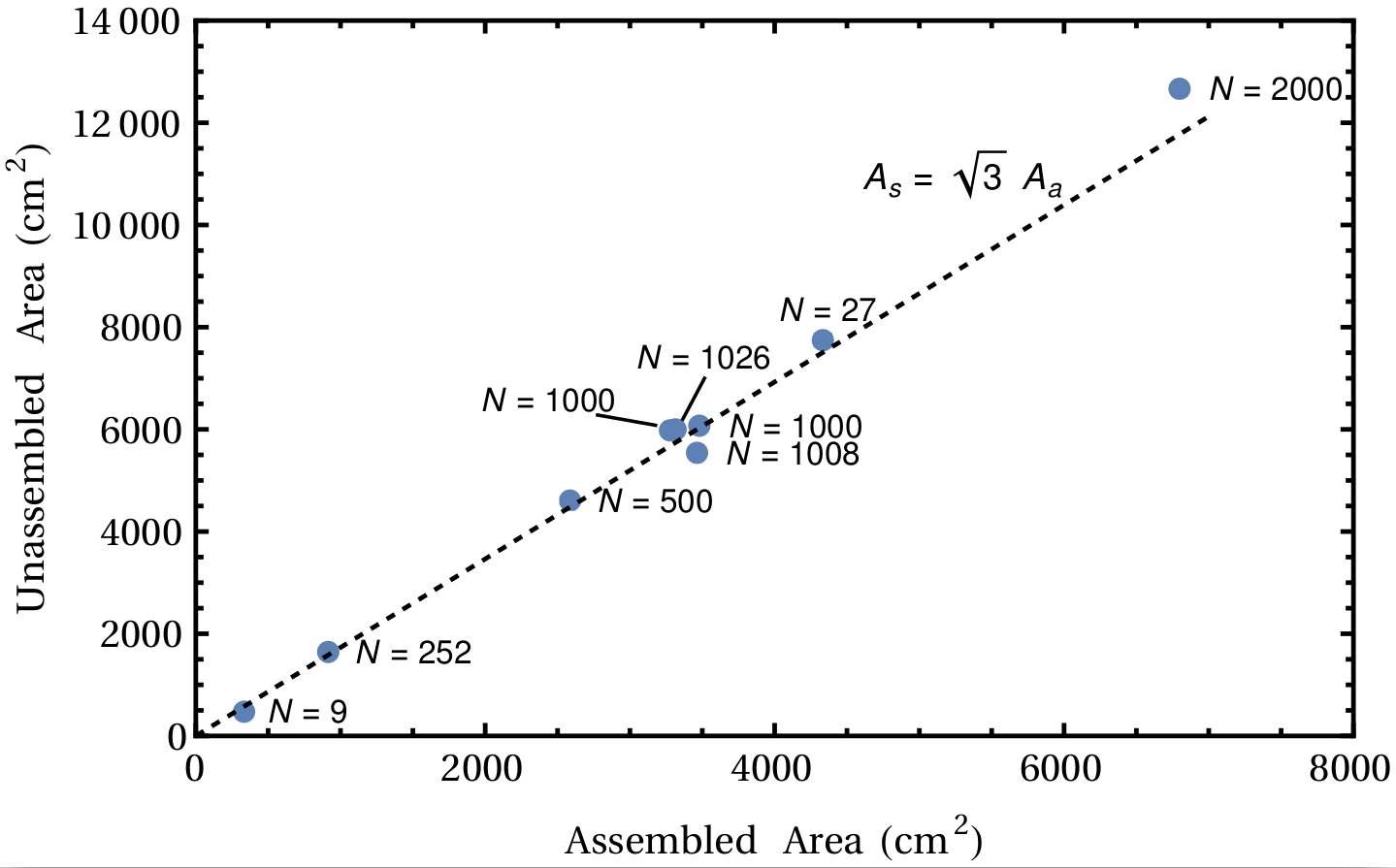
TL;DR: an unassembled jigsaw puzzle takes up an area that is the square root of 3 times the area of the assembled puzzle, or about 1.7 times the assembled area. This is *independent of the number of pieces*.
sojournTime
boosted
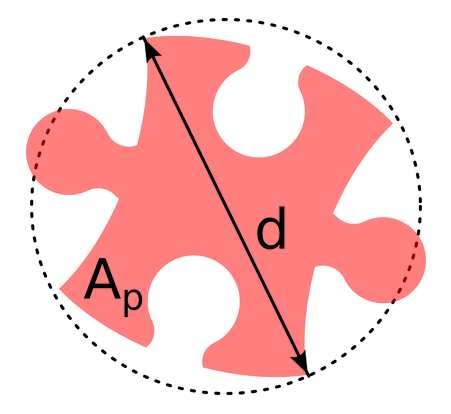
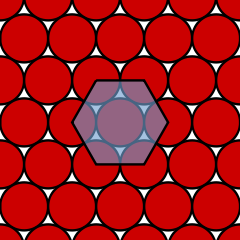
We derived a theory with a "spherical cow in a vacuum" approach: we approximated each puzzle piece area as a circle, then calculated the area of the circles packed together. Our prediction: the unassembled area is sqrt(3) times the assembled area. Then we took data.
sojournTime
boosted
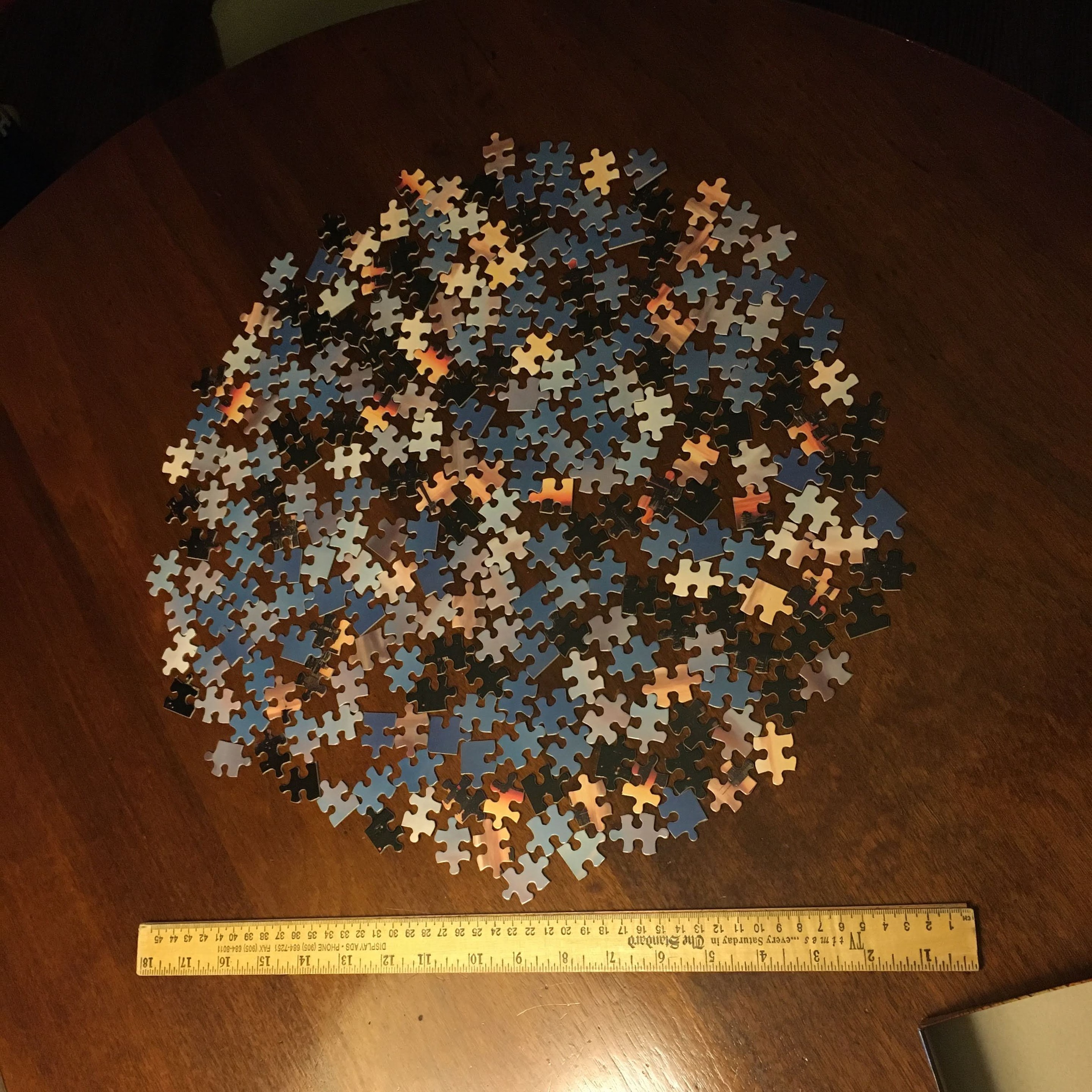
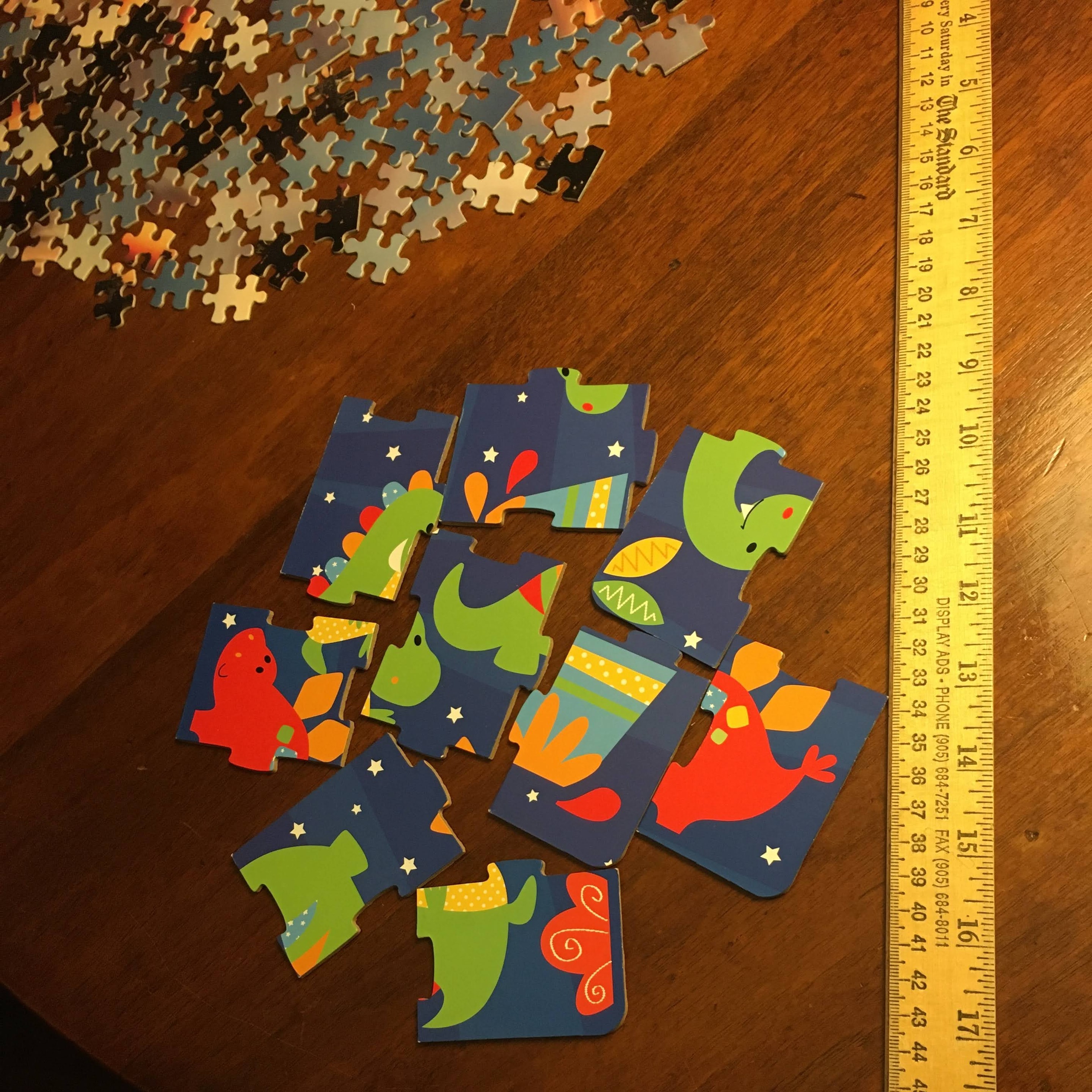
We built 9 puzzles across a variety of total sizes and with piece numbers ranging from 9 to 2000. We laid out all the pieces flat, trying to be realistic by not paying much attention to how they were arranged and not spending time trying to get them closer together.
sojournTime
boosted
The results were the most incredible agreement between theory and data I've ever seen in over a decade of being a physicist. I think I gasped when I saw this plot. Without any fitting, our simple theory *very accurately* predicted the unassembled area of all these puzzles.
sojournTime
boosted
We were surprised that the unassembled area didn't depend on the number of puzzle pieces. The intuition is this: if you have a small number of large pieces, the gaps between pieces are big, but this is multiplied by a small total number of pieces, and vice versa for small pieces.
sojournTime
boosted
So there you have it: you'll need a puzzle table just under twice as big as your assembled puzzle in order to not resort to the box lid or that random side table. Grab a puzzle and impress your relatives this holiday season with your predictive powers!
- GitHub (Personal)
- https://github.com/dataNerd23
Data Science PhD Student
Likes math, stats, space, and board games (especially Dominion: https://dominion.games/).
⬛️⬛️⬛️⬛️⬛️✨⬛️⬛️⬛️⬛️⬛️⬛️
⬛️✨⬛️⬛️⬛️⬛️⬛️⬛️⬛️⬛️✨⬛️
⬛️⬛️⬛️⬛️🛰️⬛️⬛️⬛️✨⬛️⬛️⬛️
⬛️⬛️⬛️⬛️⬛️🌎⬛️⬛️⬛️⬛️⬛️⬛️
⬛️⬛️🌒⬛️⬛️⬛️⬛️⬛️⬛️✨⬛️⬛️
⬛️⬛️⬛️⬛️⬛️⬛️✨⬛️⬛️⬛️⬛️⬛️
Joined Apr 2022
