
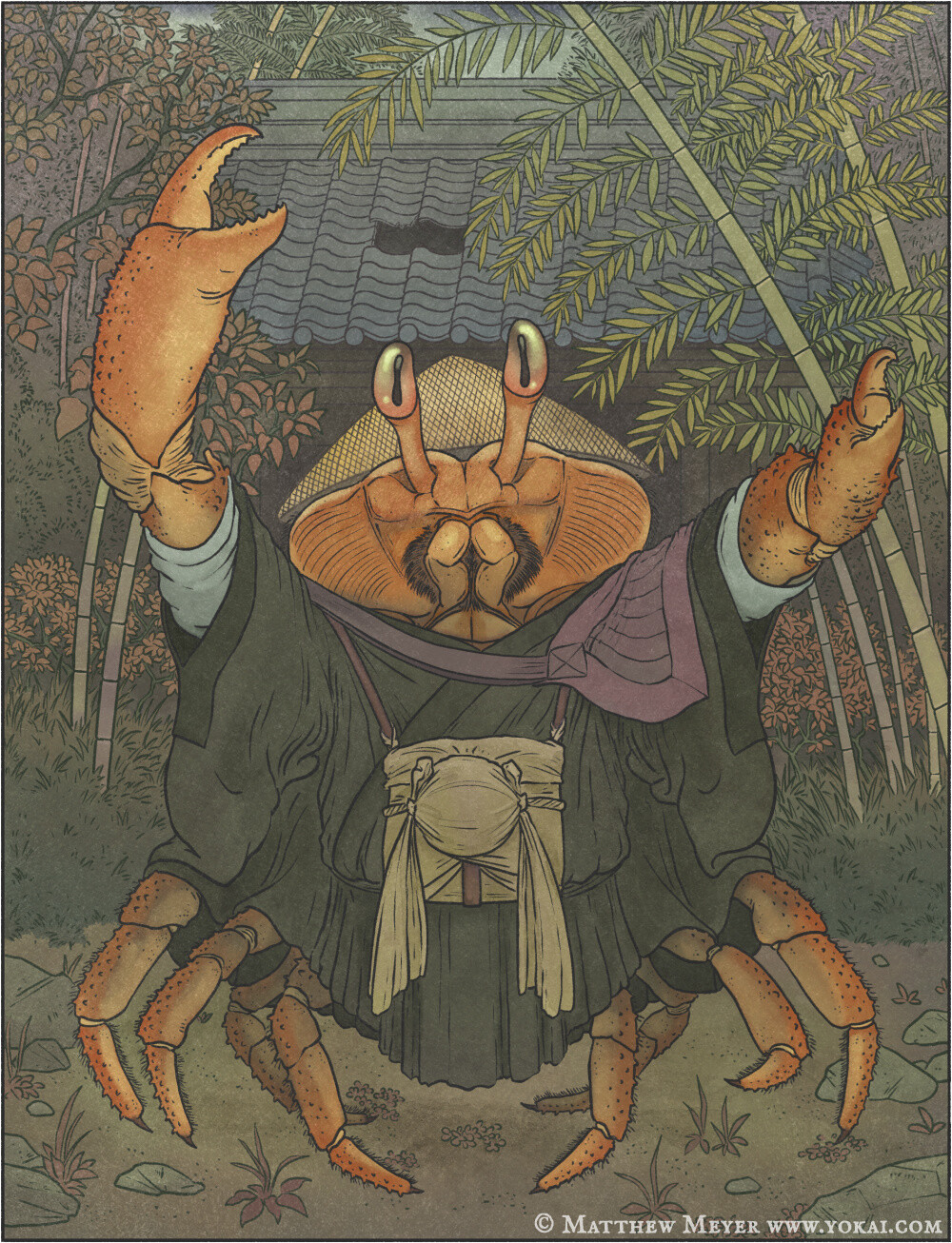
What has two small legs, eight large legs, dresses like a priest, and asks riddles?
🦀
Read
https://yokai.com/kanibouzu/ to find out!
🦀
(Hint: if you guess wrong, it will eat you.)
🦀
Did you survive??
🦀
Support my work at
https://patreon.com/theyokaiguy
#japan #folklore #crab #illustration #MastoArt #art #yokai #riddle

I love this. Arthropod drama. Edo era vibes.
Camponotus japonicus are a lot like eastern black carpenter ants Camponotus pennslyvanicus found in the US. But they must watch out for Polyrhachis lamellidens queens who will kill their queen and sit the throne as an imposter.

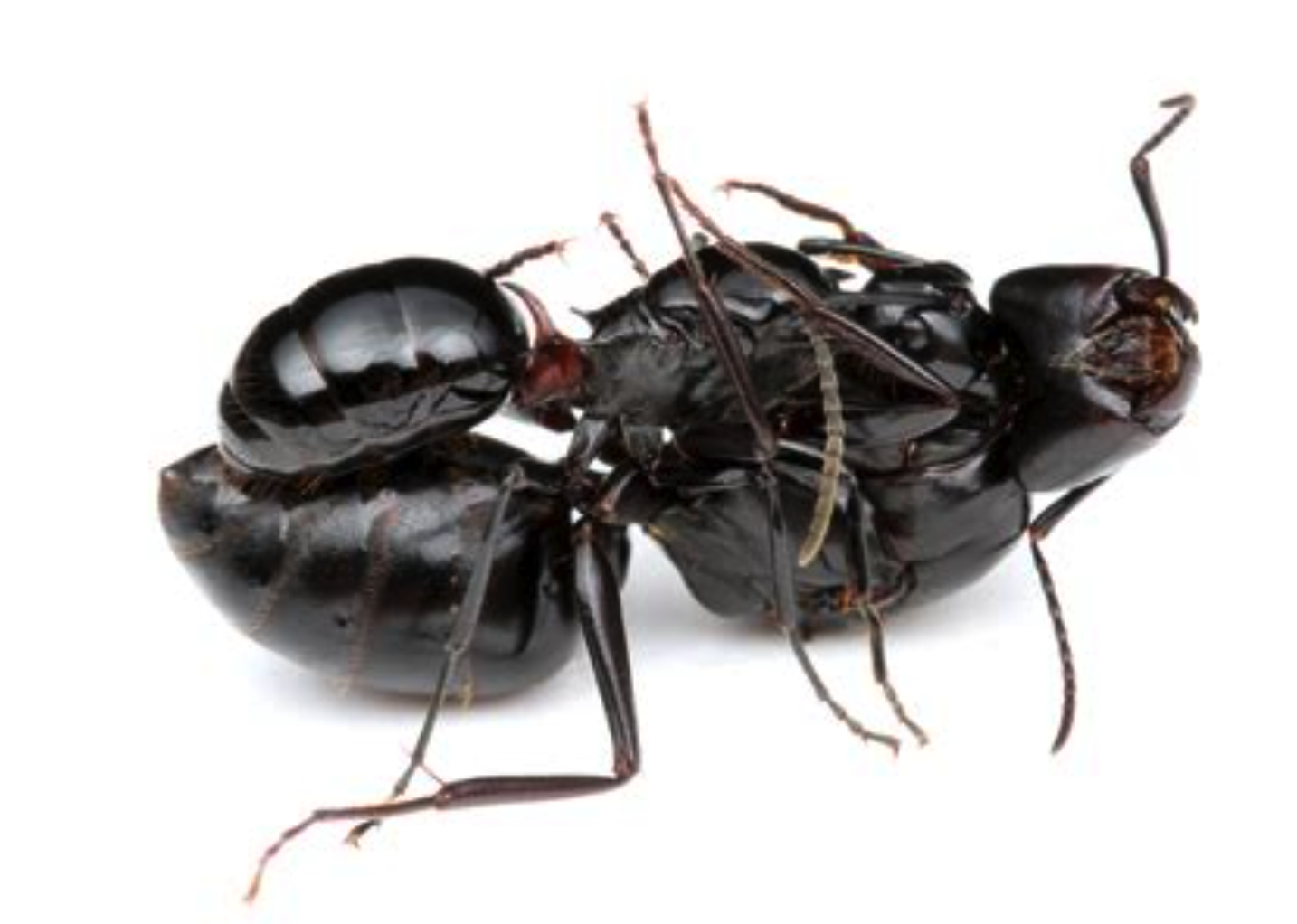
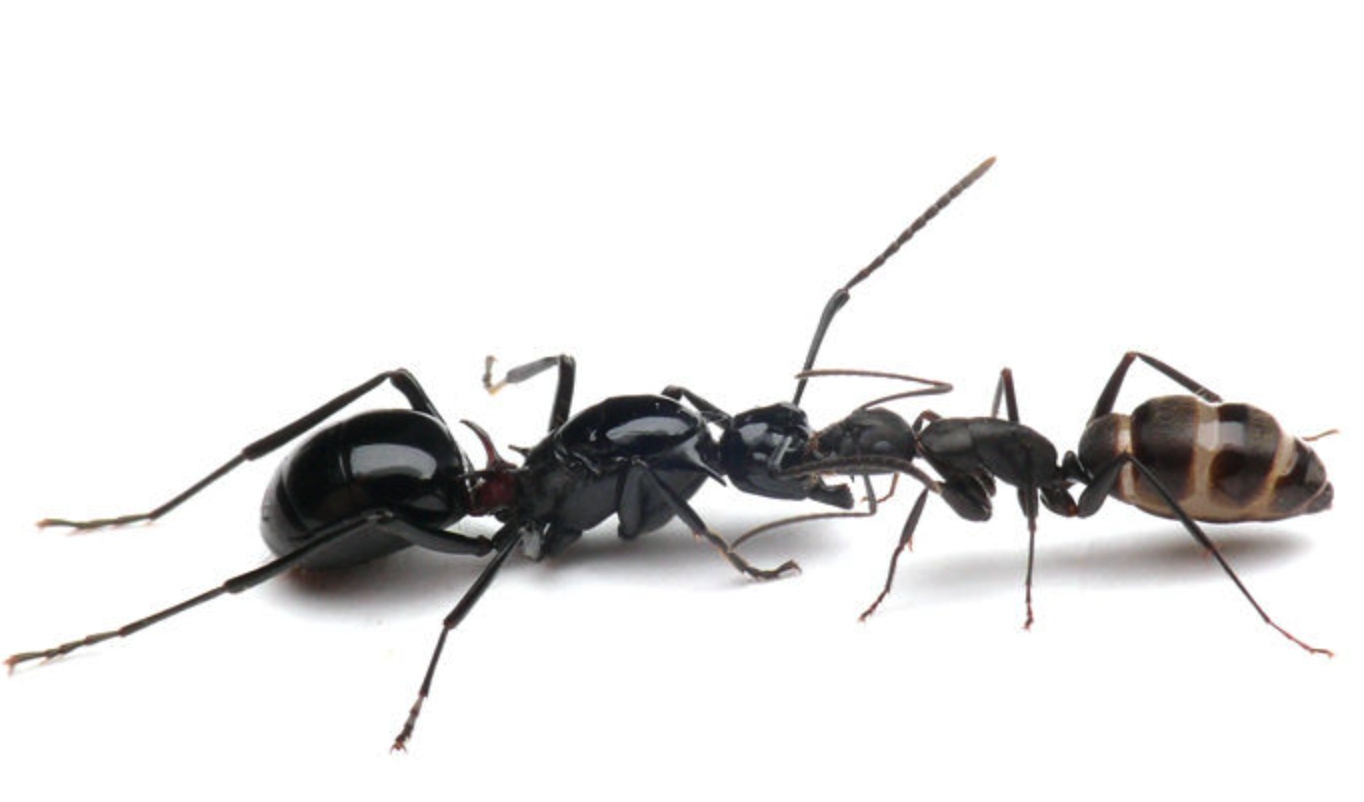
@futurebird @matthewmeyer Not many ants around here that can overpower a Camponotus. The Polyrhachis must be a tough customer. Does she use those spines for anything?
The question about the spines is a good one. Most think they are to deter predators from eating them.
But, I like to think that Polyrhachis just have a particularly heavy metal sense of fashion.
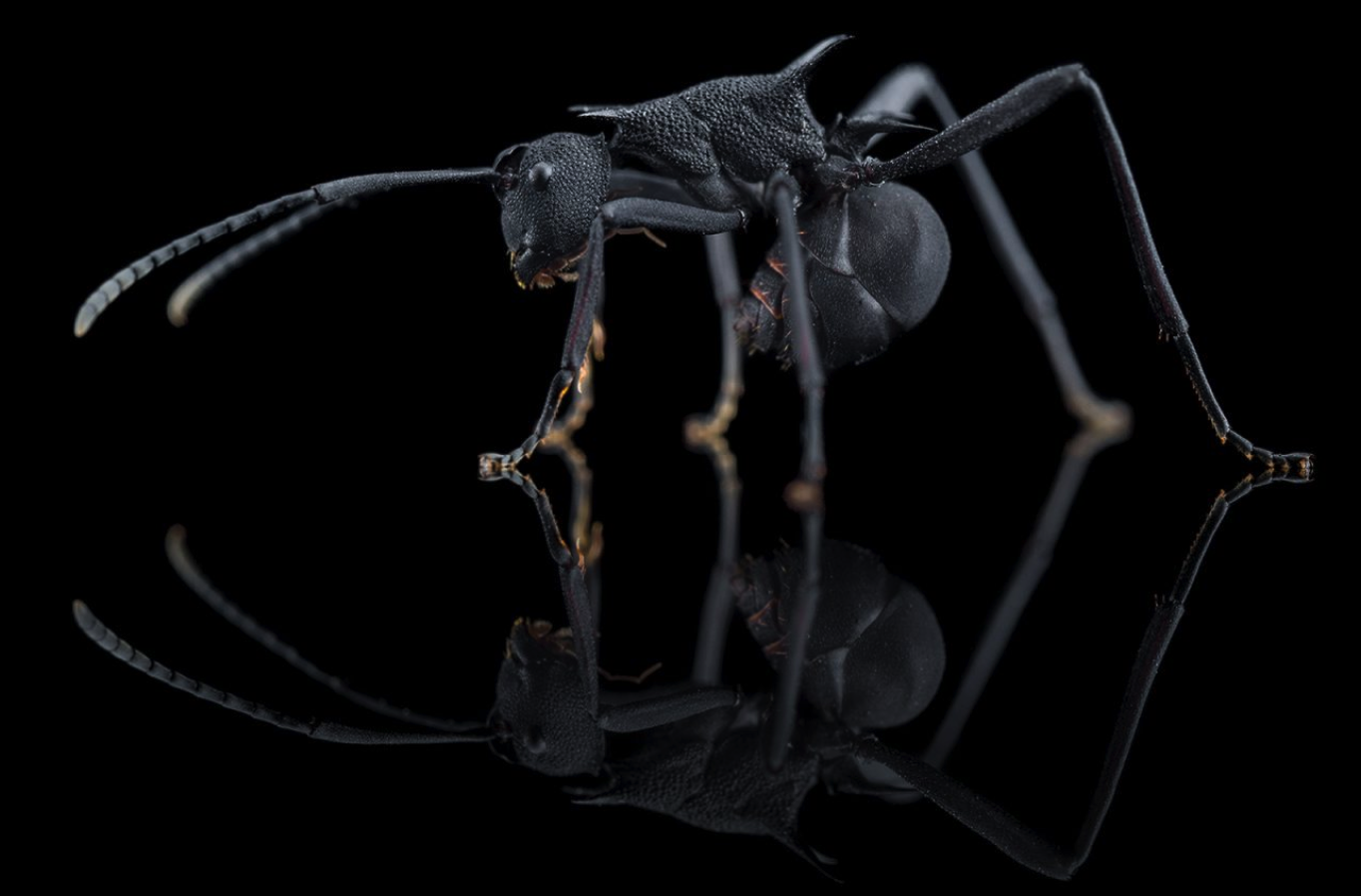
@futurebird @matthewmeyer She def looks bad-ass. I wouldn't mess with her.
She's probably harmless to us. Can't sting. Mandibles aren't big enough to do much damage. But I think she'd be happy you think she looks scary. :)
@futurebird @matthewmeyer Is that considered brood parasitism? Can they found a new colony without the Camponotus, or are they obligate brood parasites?
They are obligate temporary parasites of established Camponotus colonies. The queens won't stoop to digging their own nest or raising their own nantics. They steal the nest and first generation from a Camponotus queen of one of the common large wood-dwelling species.
@futurebird Amazing! The variaties of lifestyles in ants is astounding. I ran across some Polyergus last year stealing some pupa to take home. Not sure of the species, but I didn't know we had anything that exotic right here in Indiana. Always more to learn.
@futurebird Holy cow! I did not know that! I would have thought that the winters were too harsh, but life finds a way. It would seem like a precarious existance this far north, so I suppose Climate Change will make them even more difficult to find.

@ambulocetus
These harvester go in to diapause like most temperate dwelling ants.
I really want to keep a colony someday.