
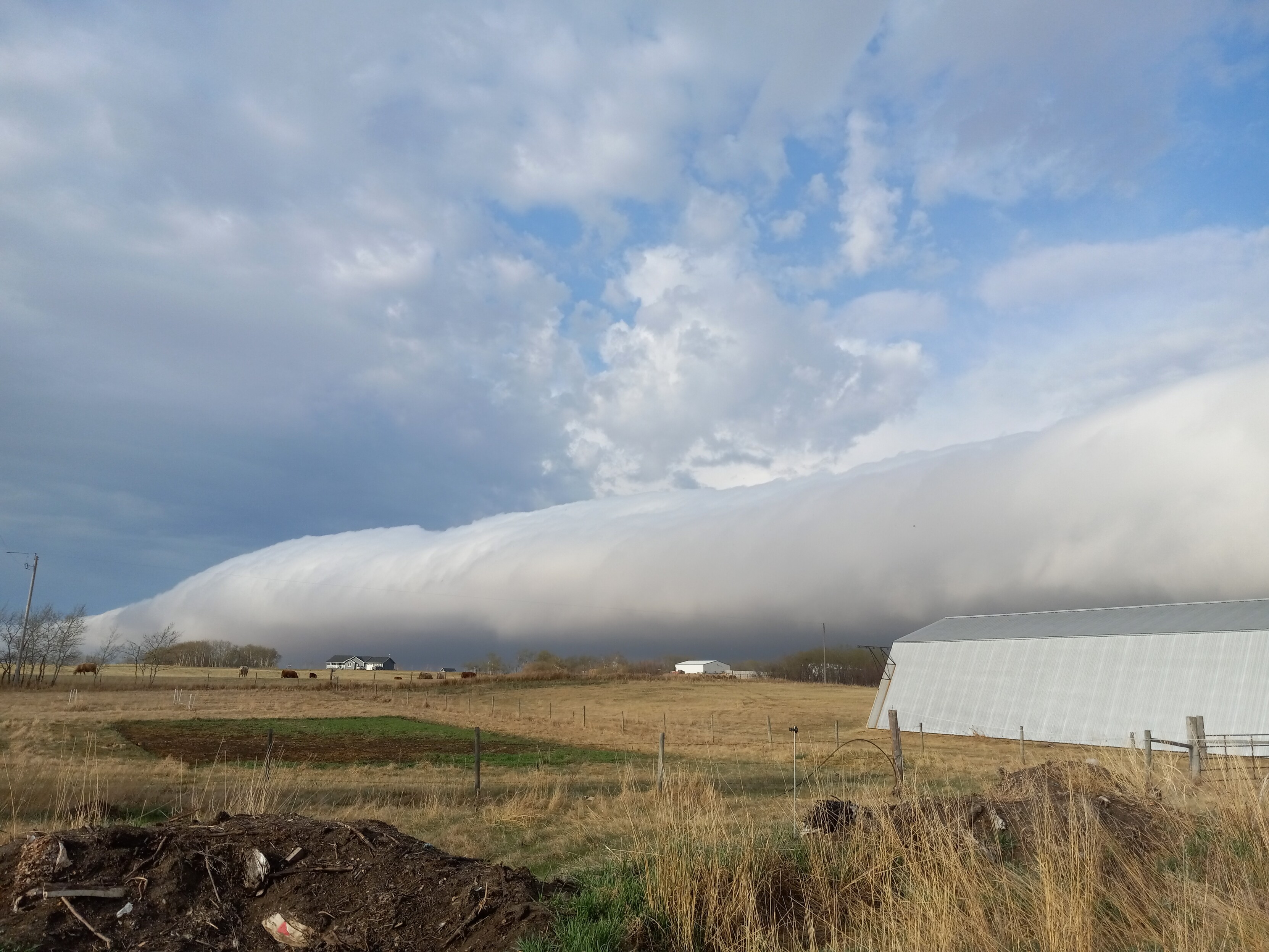
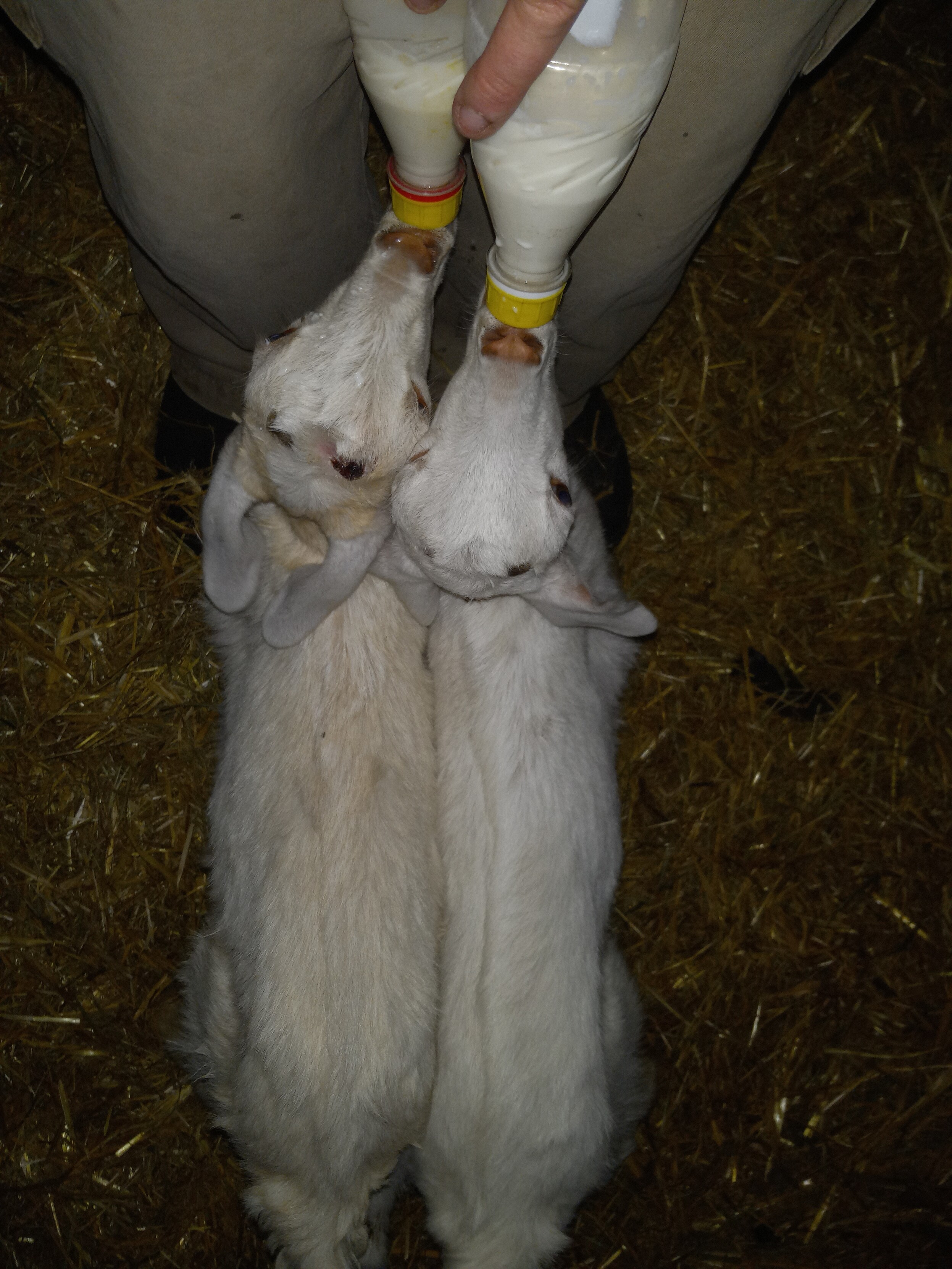
This morning has been CRAZY already. Got up extra early to take care of animals so that I could get back inside to watch #DDA54 talks while getting kids ready for school. Meanwhile, not 1, not 2, but THREE roll clouds went over!
Anyway...really neat talks this morning that I was able to half-watch while doing ALL THE THINGS.
First talk (by Sarah Millholland and Lauren Weiss) was about peas-in-a-pod systems: these are exoplanet systems that are very common, where there are multiple planets with very similar masses with nearly equal spacing between them. They have very circular orbits and very low mutual inclinations. This was a surprising discovery from Kepler/TESS, some estimates are a very large fraction of all stars should have systems like this.
Next was Hilke Schlichting talking about how her simulations show that giant impacts are important for making peas-in-a-pod systems: you can't get them just through migration because you would expect to find lots of mean-motion resonances between planets, which we don't usually see. Having lots of impacts helps explain masses and orbital distributions. (We know giant impacts were important in our Solar System, makes sense they'd be important in exoplanet systems too)
Talk just finishing now is Fred Adams, talking about how peas-in-a-pod systems are actually the lowest energy state you can get, so that's why they're common. During his talk he actually said "this is just calculus on steroids" #ThingsActualScientistsSay
He does make a neat prediction: the peas-in-a-pod configuration should not continue to large semimajor axis - this is something astronomers will be able to test in the future as we get longer time baselines observing these systems
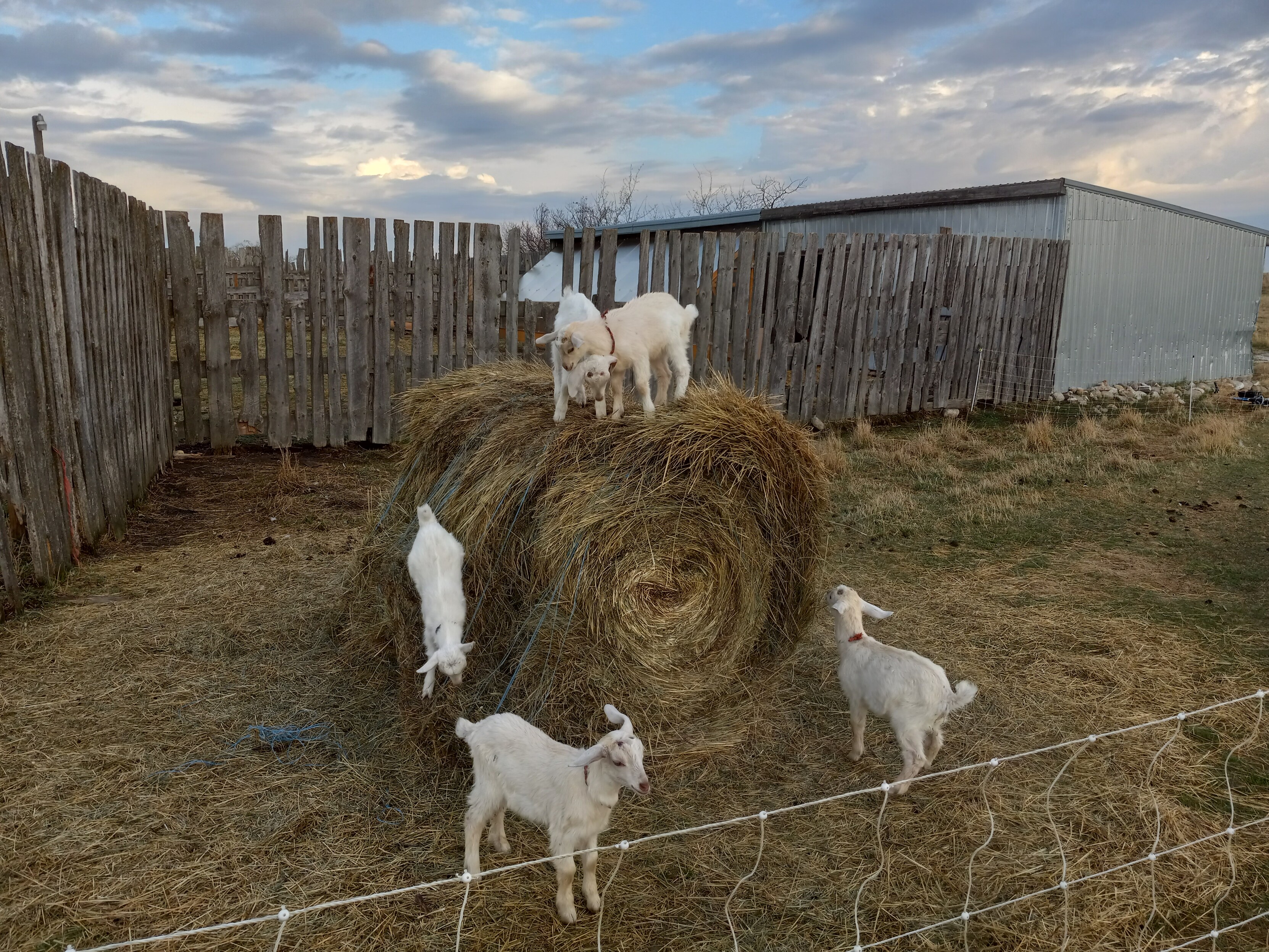
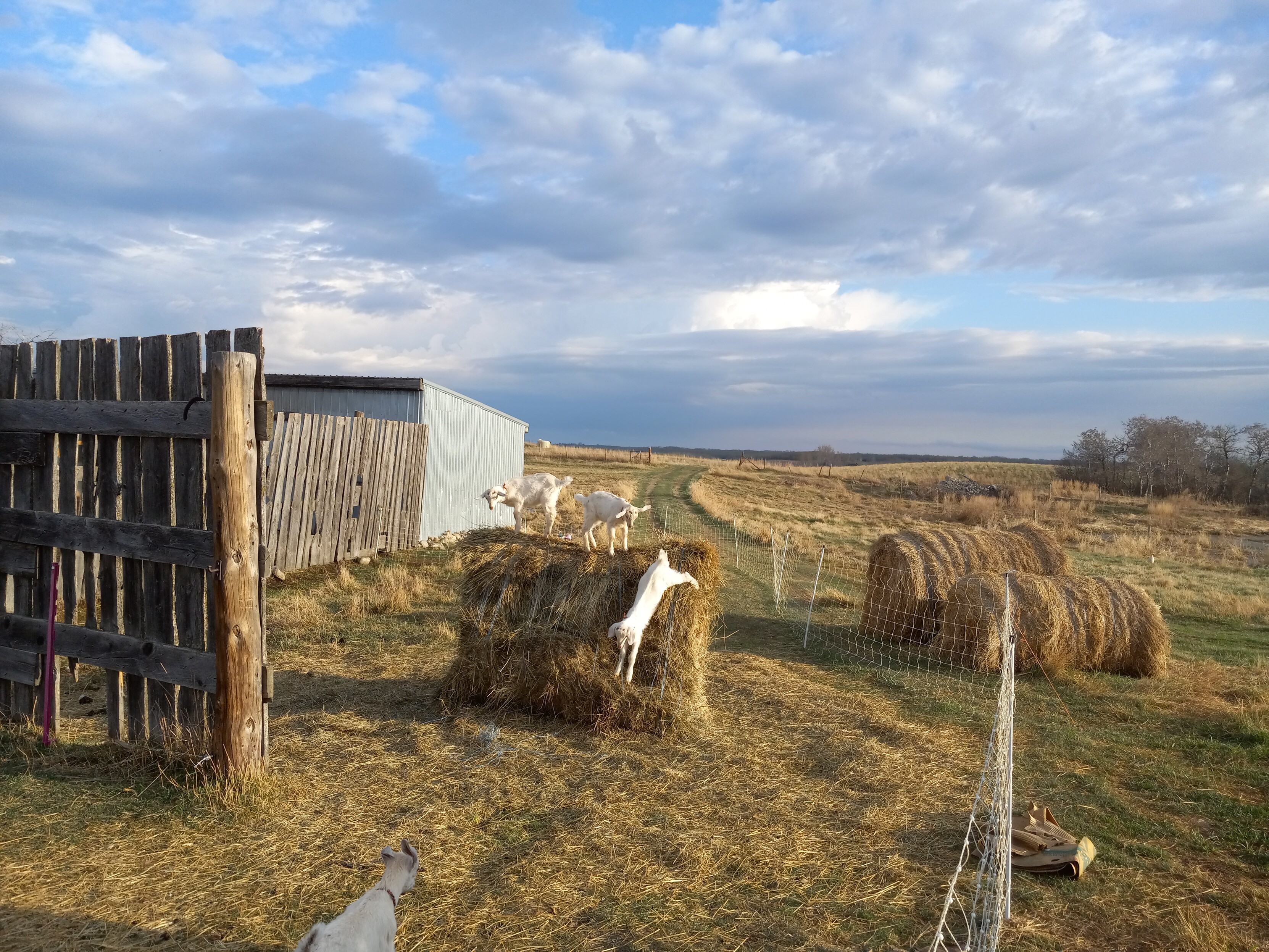
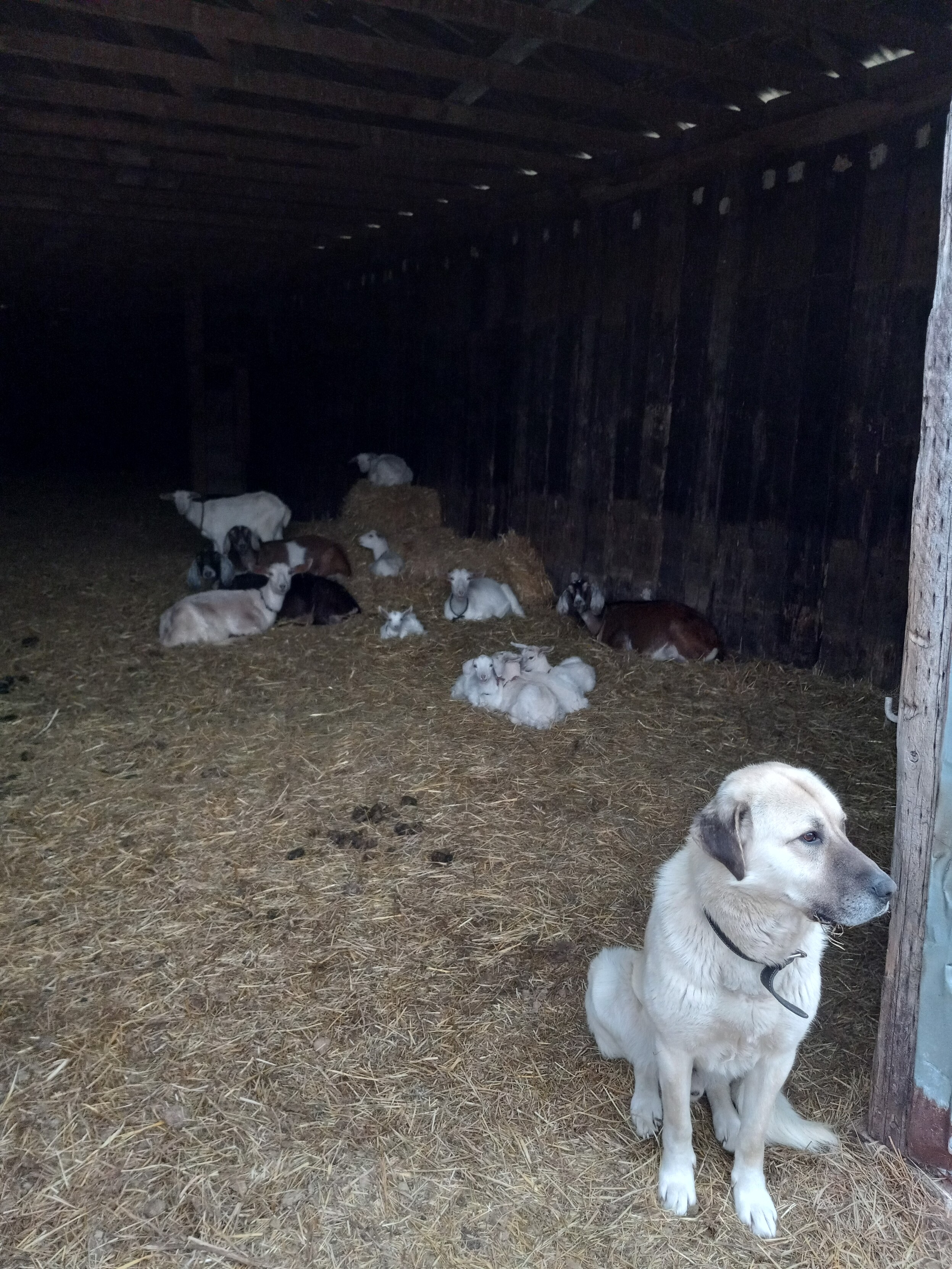
Just ran outside to make sure all the new babies figured out to go inside the barn when it's raining (they did). And found the VERY BRAVE livestock guardian dog trembling at the barn door, trying to protect them from the very quiet distant thunder which he is deathly afraid of. He's such a good boy! (I put him in the bigger barn until the thunder passes so he can hide and hopefully be a little happier)
Armaan Goyal uses Gini index (yes, like the economic thing that I don't really understand) to look at resonances in peas-in-a-pod systems.
Finds enhanced size uniformity in peas-in-a-pod systems is driven by near-resonant pairs and chains. So, the story is still complicated, but it looks like resonances are important for the evolution of these systems even if they're not currently in resonance.
Next speaker apparently has COVID so is presenting virtually (COVID is not over...)
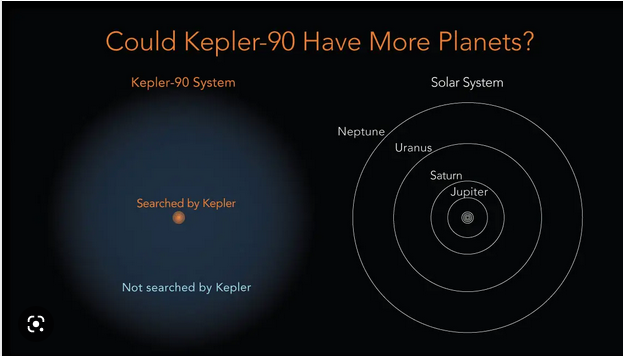
Talking about Kepler-90, an 8(!) planet system, adds in radial velocity data to transit timing data. Sounds like there weren't any firm conclusions from this study, just a neat system (and I found this graphic hilarious and also quite powerful to show the problem with exoplanet systems generally: we're only probing a tiny part of them with current techniques!)

@sundogplanets (I'm just grumpy because my wife just had to fight tooth and nails to be allowed to attend virtually a two-day meeting with people flying in from all over the country.)

@pieist Oh I totally understand. I am very happy to keep attending these thing virtually.