

Christian Wilms @ChrisWilms23@social.cleverlibre.org
Learning skiff sailor, former cell watcher, endless dinghy builder, dabbling woodworker, budding star gazer.
Joined Nov 2022
@Shrigglepuss
Thank God for @protonmail...
Who do have options for businesses as well.
There are of course multiple other alternatives that treat you like a customer and not as the product.
Christian Wilms
boosted

For all patch clampers out there Check out this beautiful preprint on reliable synaptic event detection. It works really well, with basically zero false positives! The project was led by Igor Delvendahl and Philipp O'Neill, and I also made a (small) contribution: https://www.biorxiv.org/content/10.1101/2023.11.02.565316v1
Am I the only one having an acute flashback to mesomery in chemistry?
Sorry..
Off-topic, I know. But...it took me a longer time than I will publicly admit to realise this wasn't benzene.
Christian Wilms
boosted

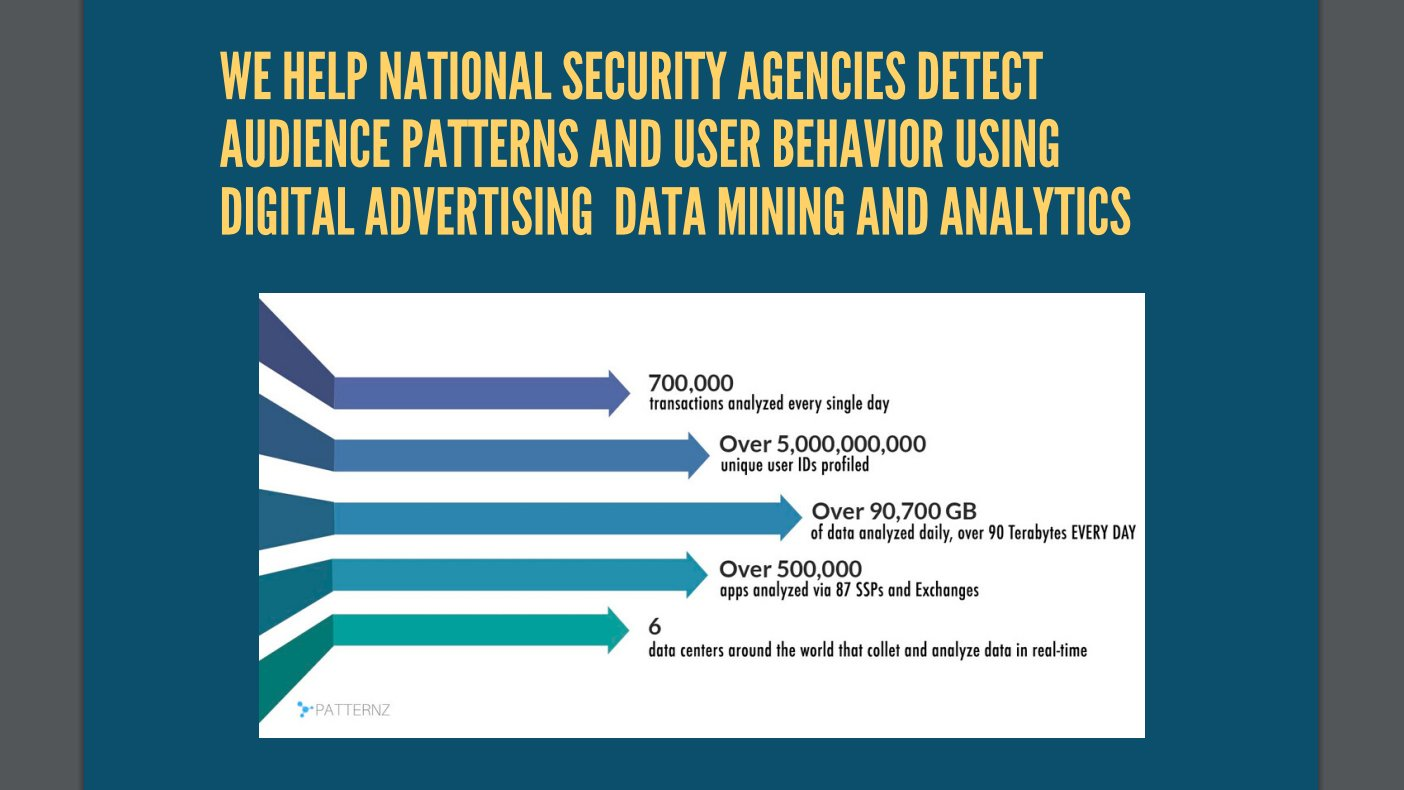
As part of a new report on digital advertising as a security threat published today by @johnnyryan and me (https://www.iccl.ie/wp-content/uploads/2023/11/Europes-hidden-security-crisis.pdf), and previously unreported:
We reveal 'Patternz', a global mass surveillance system that harvests digital advertising data on behalf of 'national security agencies'.
Patternz is operated by a company based in Israel and/or Singapore. It claims to collect data about 5 billion users from 87 ad exchanges and SSPs via 6 data centers around the world.
Thread:
@SWolff No question then on where you will be having post-poster celebrations (less than five minutes walk from the convention center).
Christian Wilms
boosted

Christian Wilms
boosted

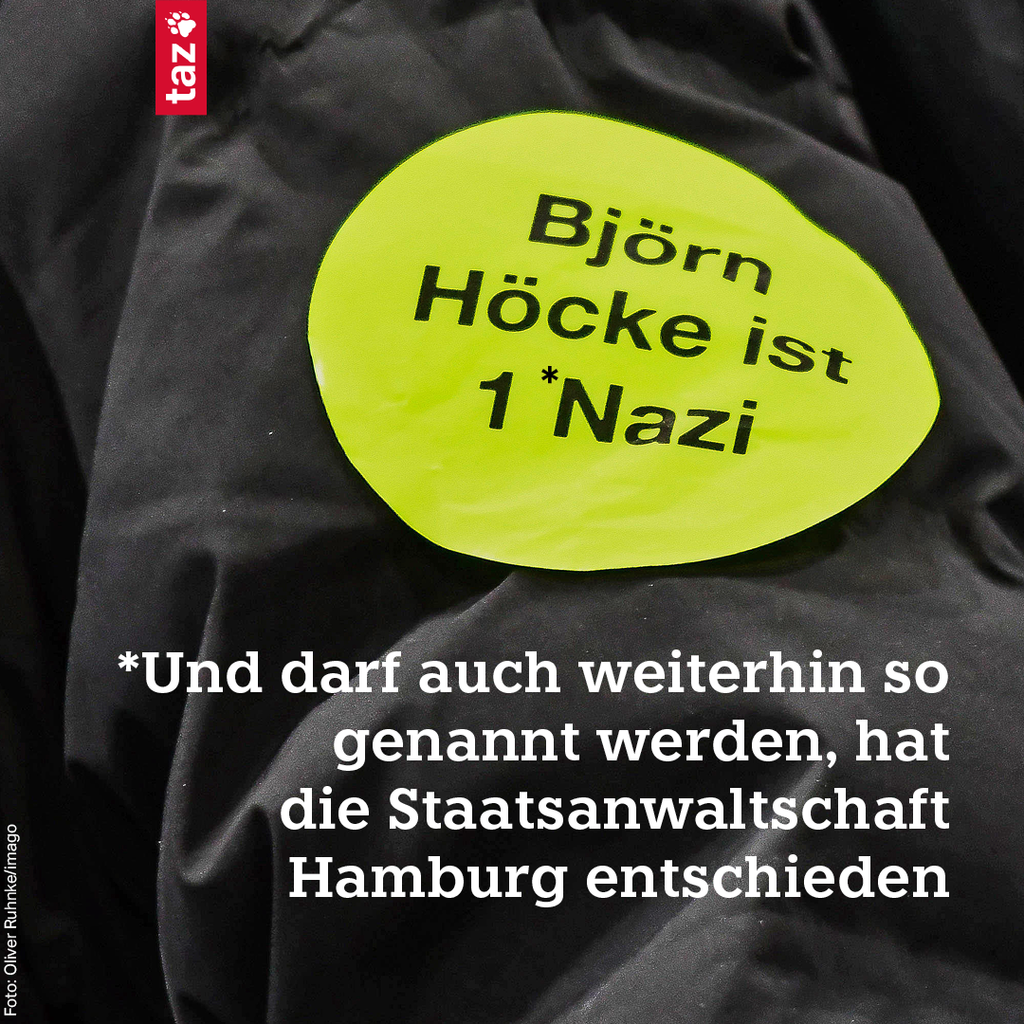
Björn Höcke ist und bleibt ein Nazi. Das sagt auch die Hamburger Staatsanwaltschaft. 👉 https://taz.de/Verfahren-wegen-Beleidigung-eingestellt/!5968418/
@elduvelle Some companies will also mine the publicly available data. Author names from abstracts are linked to researcher profiles they have which include funding data, publication data, email addresses, etc. (look up SciLeads for an example).
Christian Wilms
boosted

A sobering thought! #statistics #analytics more at timoelliott.com/blog/cartoons
@DrKEichhorn @mixal Auf jeden Fall!
Dass Gehalt als die Ursache für unbesetzt wissenschaftliche Stellen dargestellt wird, ist letztlich ein Strohmann.
Die wissenschaftlichen Stellen, die frei sind, werden ziemlich nicht entfristet und auch nicht entfristbar sein. Zu unterstellen, dass die wegen des Gehalts nicht besetzt werden, geht einfach an der Realität vorbei.
Etwa 9 aus 10, von denen ich es weiss, haben dem akademischen Betrieb wegen der extrem schlechten Arbeitsbedingungen verlassen und nicht des Gehaltes wegen.
@DrKEichhorn Aber ist das wirklich eine Frage der Lohnschere? Oder nicht doch eher des Gesamtpakets (generelle Arbeitsbedingungen, Stellensicherheit, Wertschätzung der Mitarbeiter, Work-Life Balance, etc.)? #altac #recoveringacademic
Christian Wilms
boosted

It's an oldie but a goodie, re-upping it for #Halloween2023 - the #9types of horror lab. Happy Hallowe'en! 🎃 👻
http://totalinternalreflectionblog.com/2022/10/31/the-9-types-of-horror-lab/
Christian Wilms
boosted

Reading up on dyes, I see that the widely-used Alexa 594 performs poorly in #2Photon #imaging above about 850 nm.
We want a dye that works well at 1040 nm. According to this nice @biophysj paper, it looks to me like A546 would be a good choice, at least twice as good as A594. Do you have a favourite?
#fluorescence #cellbiology #neuroscience
https://www.sciencedirect.com/science/article/pii/S000634951200063X
@andrewplested @biophysj I always preferred Atto 594 for 2P work. Much brighter than the Alexa. For longer wavelengths rhodamine b might be OK.
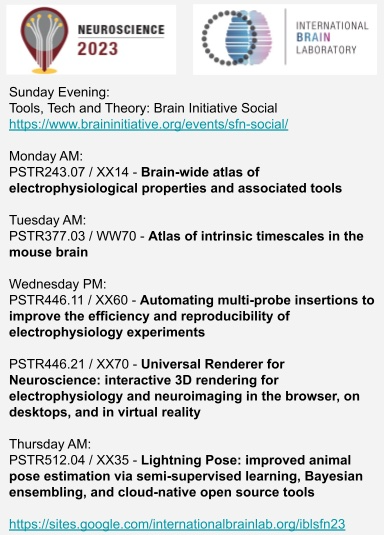
@andrewplested Making SfN jetlag just that little bit less painful. :-)
Christian Wilms
boosted

 🇳🇱
🇳🇱
The reason it doesnt work for people on QOTO is because QOTO isnt mastodon, its a fork.
Christian Wilms
boosted




@mapto @ChrisWilms23 @neilhoskins @helenczerski @davidho @freemo The way Followgraph is implemented is meant to preseve privacy: it uses inauthenticated requests to make sure Followgraph does not need to receive or store user data.
Specifically, it uses this API endpoint: https://docs.joinmastodon.org/methods/accounts/#following
The documentation says "**OAuth:** Public". Some implementations accept inauthenticated requests, but some choose not to.
This is why Followgraph doesn't always work.
@dangillmor This isn't just reminiscent of the Stasi. :-(
@mapto @neilhoskins @helenczerski @davidho @freemo @gabipurcaru I don't mean to imply that it's intentional. But everytime this tool gets discussed, the people for whom it doesn't work appear to be on qoto. :-(
Learning skiff sailor, former cell watcher, endless dinghy builder, dabbling woodworker, budding star gazer.
Joined Nov 2022
