
While I had archived most of the important documents from Oceangate's website, I had forgotten to save Electroimpact's whitepaper in which they describe making the CF hull with their automated fiber placement machines.
In another source, Rush had said that it could not be cured all at once, so it had to cured in one inch layers.
Unfortunately, they didn't have a 5-inch thick CFRP barrel, they had 5 concentric 1 inch hulls with weaker bonds between them.
My hottest opinion is that I think CFRP submersibles could be made safe with better engineering.

@Lars I thought that CF was generally great under tension (like for COPVs), but not as good under compression. Is that correct?

The thesis paper concurs with your impression, Michael as I suspect other analysts do as well.
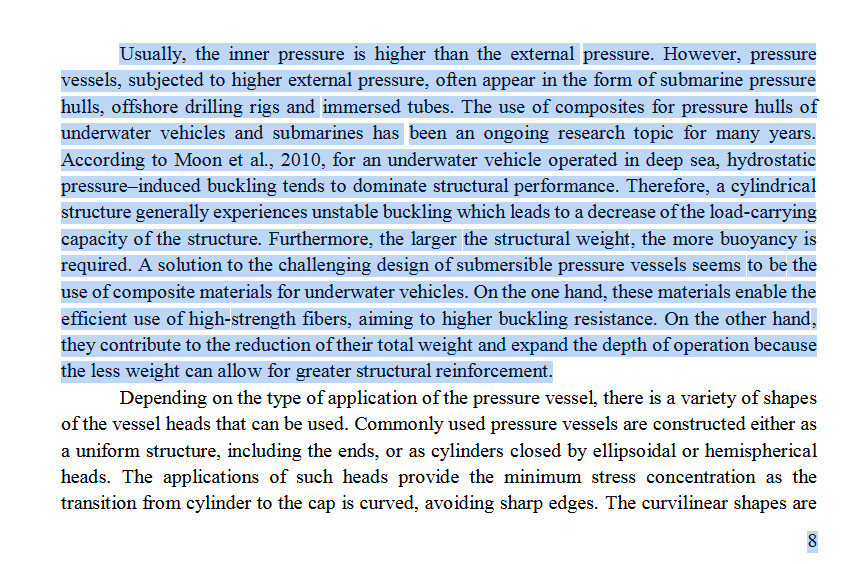
@michaelgemar @Lars
Better engineering as a remedy for what went wrong needs to be accompanied by better materials--the engineering analysts that have already gone before media cameras criticized the titanium-to-carbon adhesive used.
A couple of them also mentioned how glass-like carbon fiber gets under cold-with-high-pressure environments...and the thesis concurs with that analysis as well on page 11. She mentions adhesive creep in addition, tho I suspect that's at high temperatures and not lower temps when polymers of every sort tend to be more rigid, if not outright brittle too.
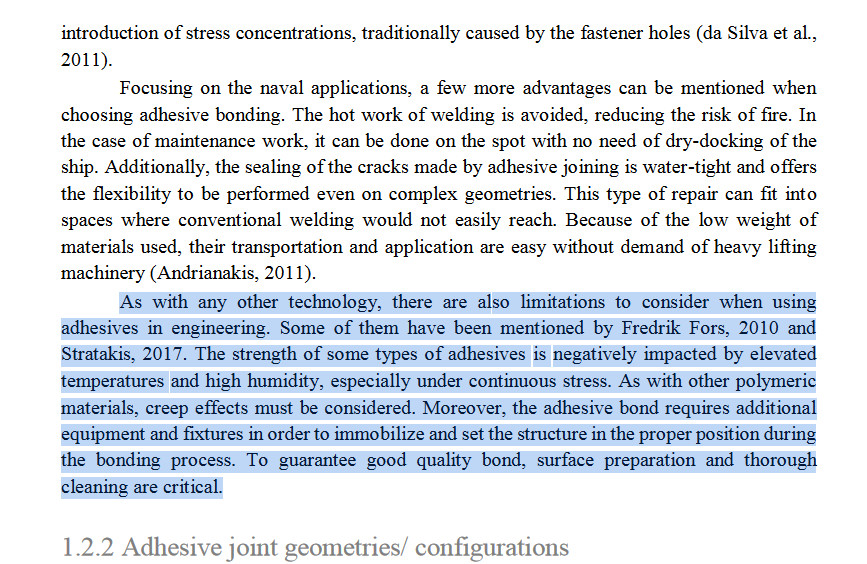
@michaelgemar @Lars
Indeed. It's always better to study something scientifically compared to the screw-around-and-find-out method.
