

Paul Brownjohn @Paulos_the_fog@social.cleverlibre.org
Retired software engineer & woodworker.
Anglo-francophone.
Detest tories. Subscribe to green, leftish radical politics but not to any particular political party!.
Love the EU and all it stands for, moreover, I spent the last 10 years of my career working at an EU agency.
Enthusiastic photographer, especially wildlife and most especially butterflies.
Slightly knowledgeable gardener.
Atheist; loathe almost all religions and pity the people deluded enough to follow them. I make exceptions for Buddhism as it isn't really a religion in the strictest sense of the word as it doesn't postulate the existence of any god, and Jainism which is the epitome of peace.
For anyone who is interested, my header photo is of the most stupendous sunset I have ever seen. On the right is the waterfront of Vientiane, the capital of Laos, on the left is Thailand and in the middle, acting as the border between the two countries is the mighty Mekong river.
Joined Nov 2022
Paul Brownjohn
boosted

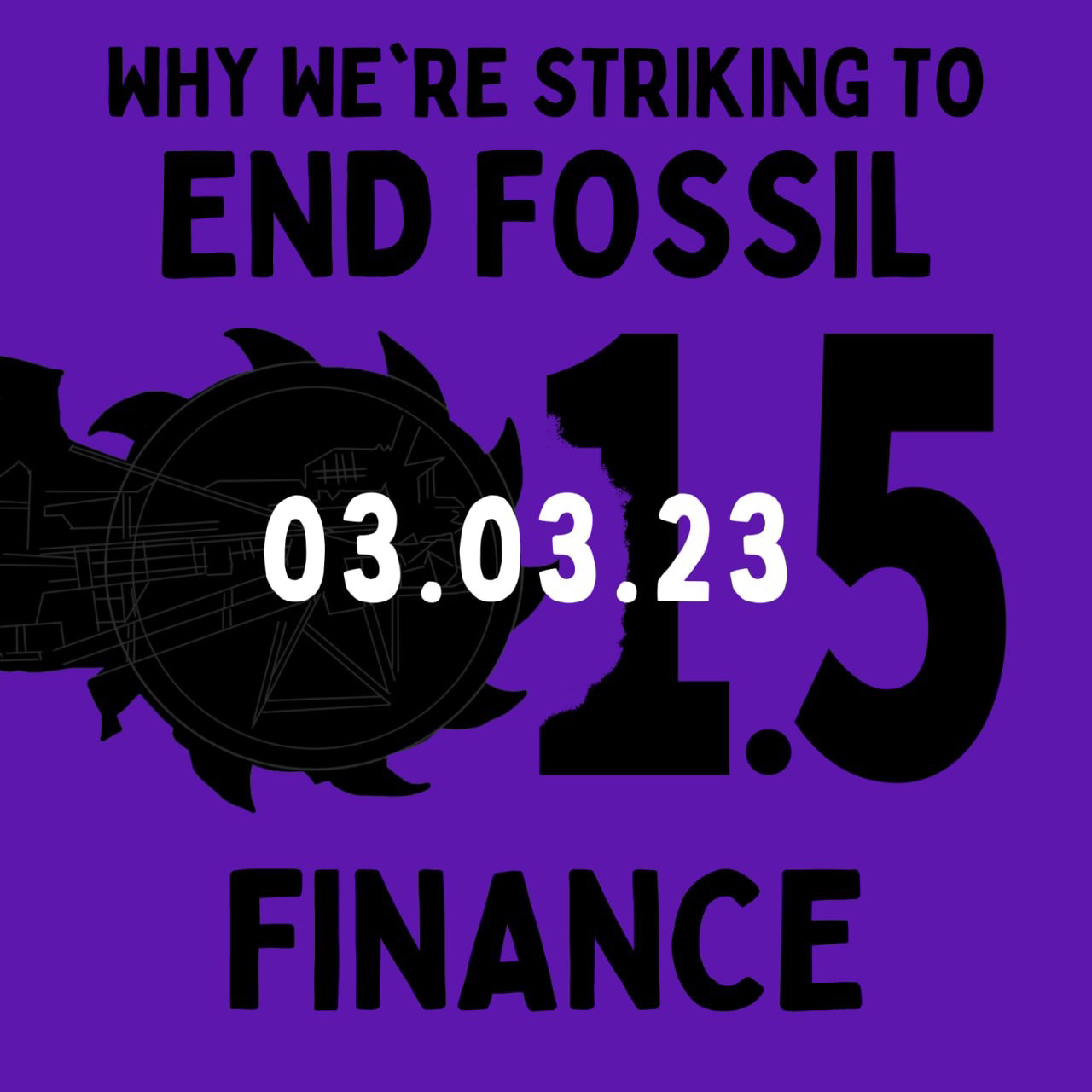
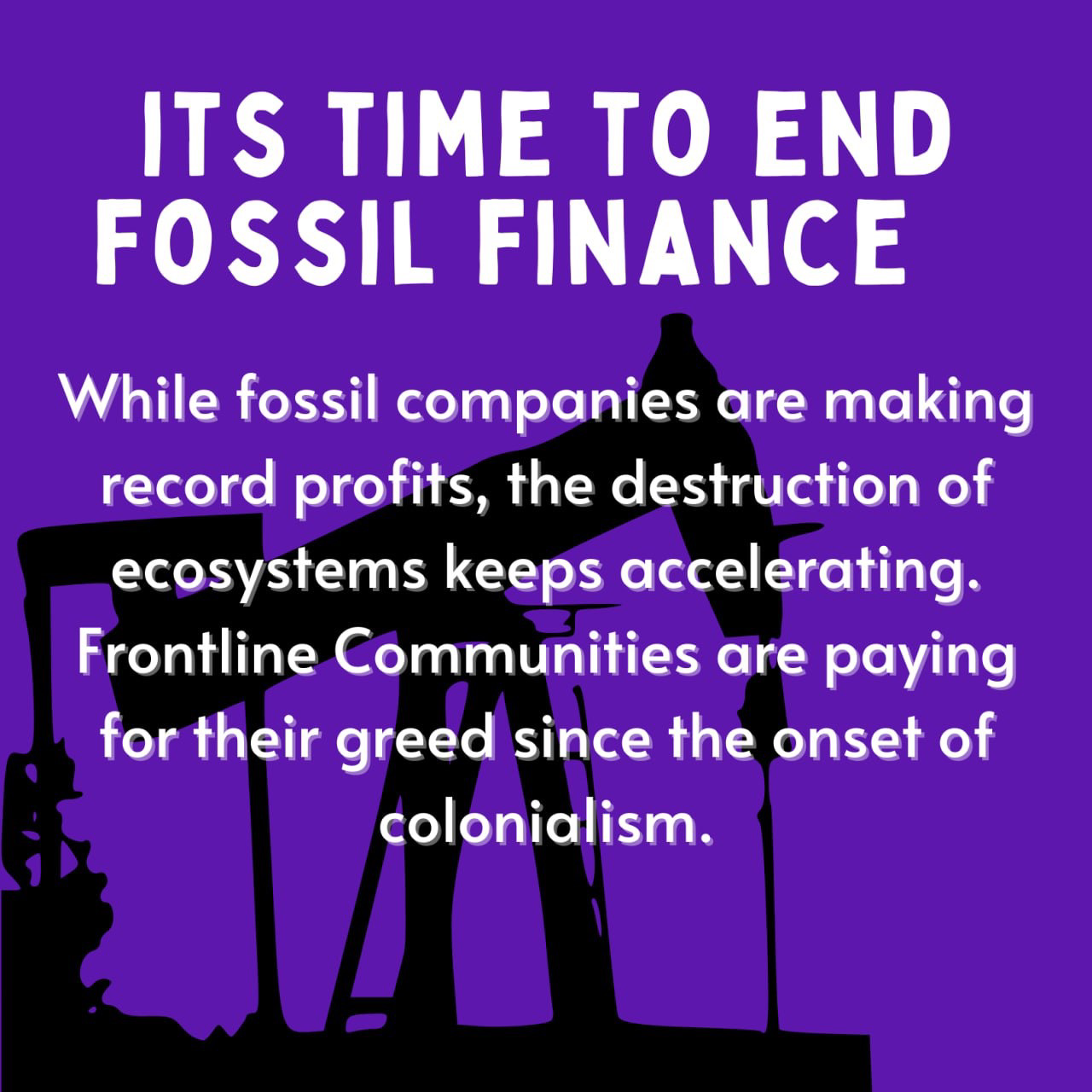
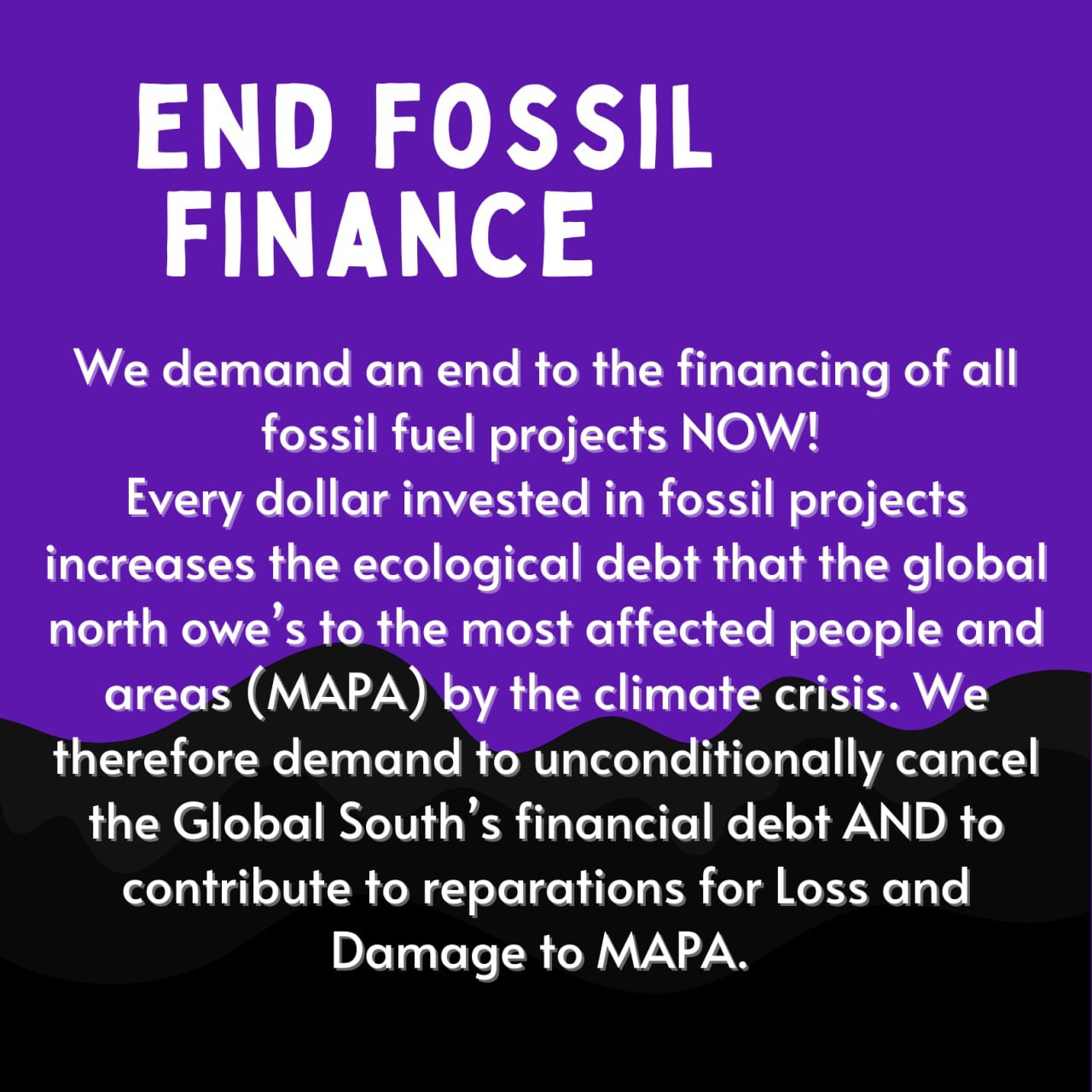
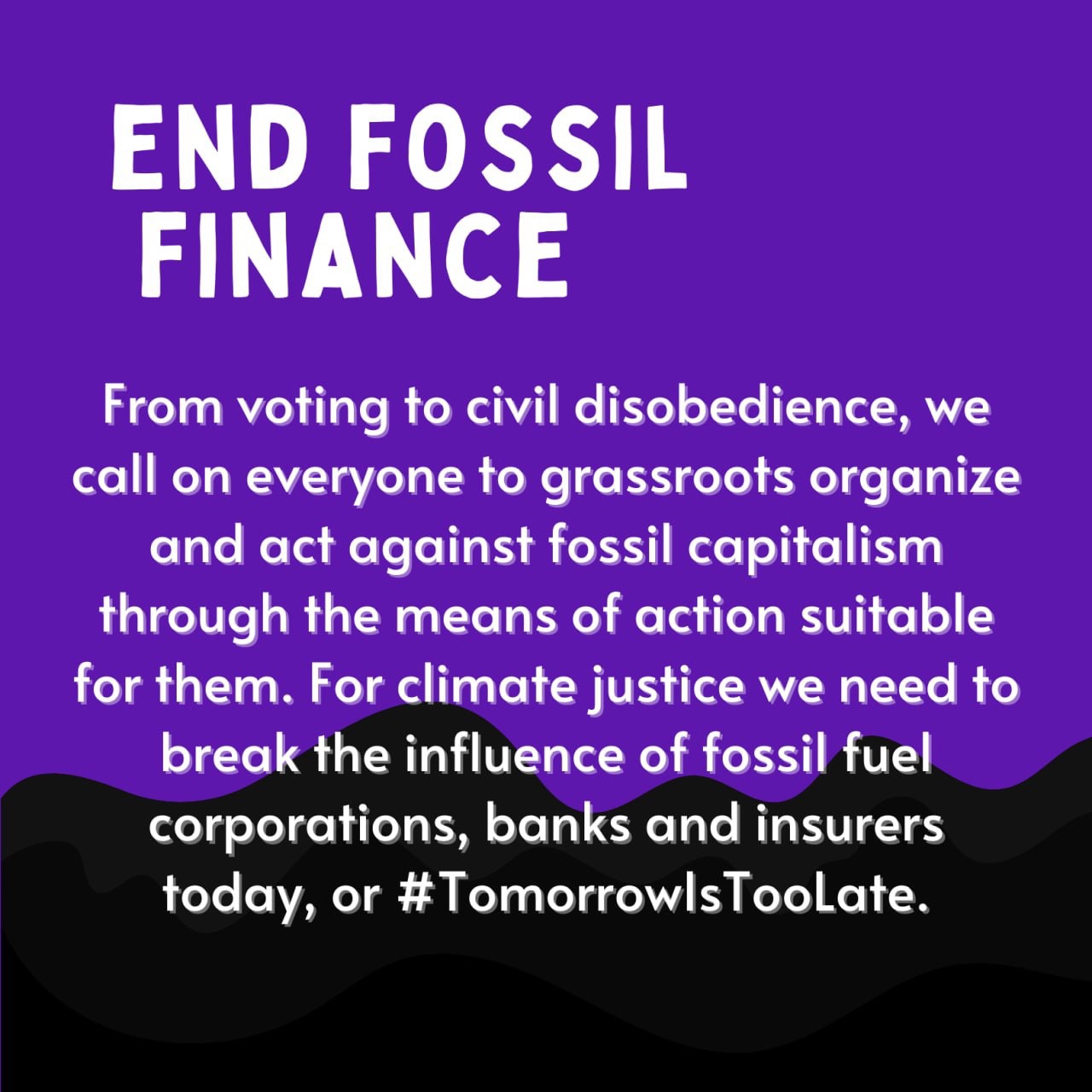
Join us on Friday for the next global climate strike!
This Friday, the 3rd of March, we will once again take it to the streets - demanding an end to fossil finances. Find or register your local strike at fridaysforfuture.org/march-3
#TomorrowIsTooLate
Paul Brownjohn
boosted

UK politics, Brexit
45% of British people would choose to leave the UK and move themselves and their families to another country, if given the opportunity to do so (compared to just 35% who said they wouldn’t), according to a Byline Times poll. A depressingly accurate snapshot of the UK by @adambienkov https://bylinetimes.com/2023/02/24/brexit-britain-half-of-brits-would-choose-to-leave-uk/
Is there anyone out there who can come up with a coherent explanation of why Britain is so critically short of some fruit and veg that supermarkets are imposing rationing and yet from all the photos I have seen, and my own personal experience here in Luxembourg, there are absolutely no such shortages in other countries in northern Europe, yet according to the mainstream media in Britain, it's due to absolutely anything their imaginative reporters can dream up EXCEPT Brexit. It rather seems to me that if France, on Britain's doorstep, has absolutely no shortage whatsoever and Britain is rationing, that blaming the weather in Morocco or elsewhere is an exercise in gaslighting rather than in factual reporting.
I think throughout most of people’s lives people don’t really think of its inevitable conclusion or at least only very rarely. However, I am now in my early 70s and that inevitable conclusion is, well, sort of closing in on me a little bit.
I believe a lot of people derive some comfort from the idea of going to heaven; rather fewer from the idea of going to hell.
In recent years, “new age” spiritual beliefs have postulated the concept of reincarnation, and I must admit it is a very attractive idea. I was therefore slightly disappointed to read, in a book about obscure Tibetan Buddhist beliefs, that the true cognoscenti of that branch of Buddhism pooh-pooh the whole concept of reincarnation as being a visualisation of the reincarnation of the ego; something that in spiritual terms you most certainly do not want to retain.
I always found it rather perverse that, whilst we in the West tend generally to hanker after the preservation of our existence in some form, after death, in Hinduism, the goal is to be forever freed from repeated reincarnations. To that end, Hindus desirous of short circuiting their rebirth cycle often make their way to the city Varanasi on the sacred river Ganges, Just prior to their impending demise in order that they may die within that holy city and that their body may be burned on the banks of the sacred river Ganges which, in theory, frees them from the cycle of birth and rebirth!
This makes Varanasi a city with a very errrrr - interesting atmosphere. Aside from its alleged abbreviation of the cycle of rebirth, Varanasi is also the home of Shiva, who happens to be the god of dope (cannabis, pot or what you will) and so although alcohol is forbidden within the city limits, grass is freely available. Many residents of the city and much of its workforce are followers of Shiva and take their obligation to emulate Shiva very seriously - Varanasi is a city in which a substantial proportion of the population considers it a religious obligation to get as stoned as they can 24/7. This makes it an other worldly experience, if that is the right description!
Paul Brownjohn
boosted

They lied to get Brexit.
Then they lied about the Brexit deal.
And they lied about the queues and the costs and the red tape and the losses and the damage and the waste.
And now they just keep lying to avoid admitting that it’s all so dismally shit.
‘Global Britain’ is now rationing vegetables. FFS.
Paul Brownjohn
boosted

Just had a new internet service installed at the moment it's delivering about 730 Mbps downstream and 100 Mbps upstream. How does that compare with what other people are getting. Surprisingly, it's not fibre direct to my desk like my ultra-fast service in Thailand - this is coax.
In the UK and in many other countries, a woman who marries generally takes her husband's surname, losing in the process, the identity she has had since birth.
I find this extremely odd; why in an age of emancipation do we continue with this practice. I guess it had some validity in the back in the days when a wife was just part of her husband's goods and chattels and had no legal rights of her own, but today?
Moving to Belgium some years back brought this home to me as, there, woman do not, as a rule, change their name upon marriage nor do they do so in many other European countries.
Do any of my Prehistoric Elephant friends have a strong view on this?
Paul Brownjohn
boosted

From Twitter. So probably a response to idiots and liars about Brexit, NHS, unfairness, bigotry etc
RT @danielgoyal
Let me summarise current Tory policy:
‘The public must live cheaply so we can live extravagantly.’
That’s it. That’s their entire policy.
Paul Brownjohn
boosted

Robert Reich: Jimmy Carter and the end of democratic capitalism https://robertreich.substack.com/p/jimmy-carters-democratic-capitalism?utm_source=twitter&utm_campaign=auto_share&r=df9r
Paul Brownjohn
boosted

The Alien Act of 1705, was devised to apply maximum pressure on the merchants and landowning class of Scotland, to consent to a “union” with England. This is not how “equal partners” behave one to another.
Paul Brownjohn
boosted

Why do we put up with the myth of shareholder virtue? https://www.taxresearch.org.uk/Blog/2023/02/20/why-do-we-put-up-with-the-myth-of-shareholder-virtue/ According to economic mythology just about the most important people in society are shareholders. That is utter nonsense. They have no responsibility, no power and almost no influence in the real world. So what is this myth all about?
Paul Brownjohn
boosted

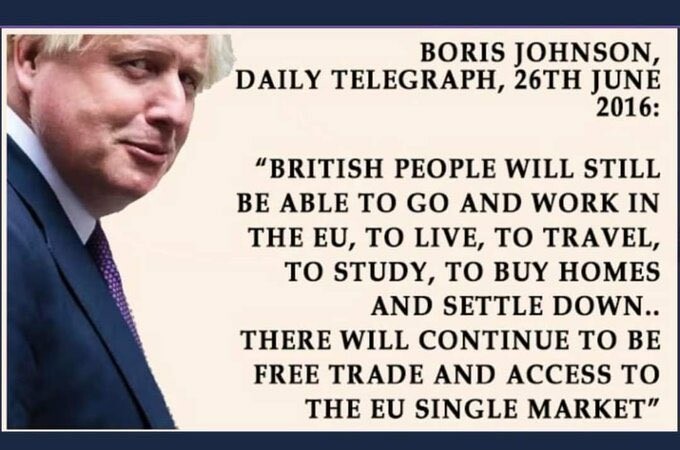
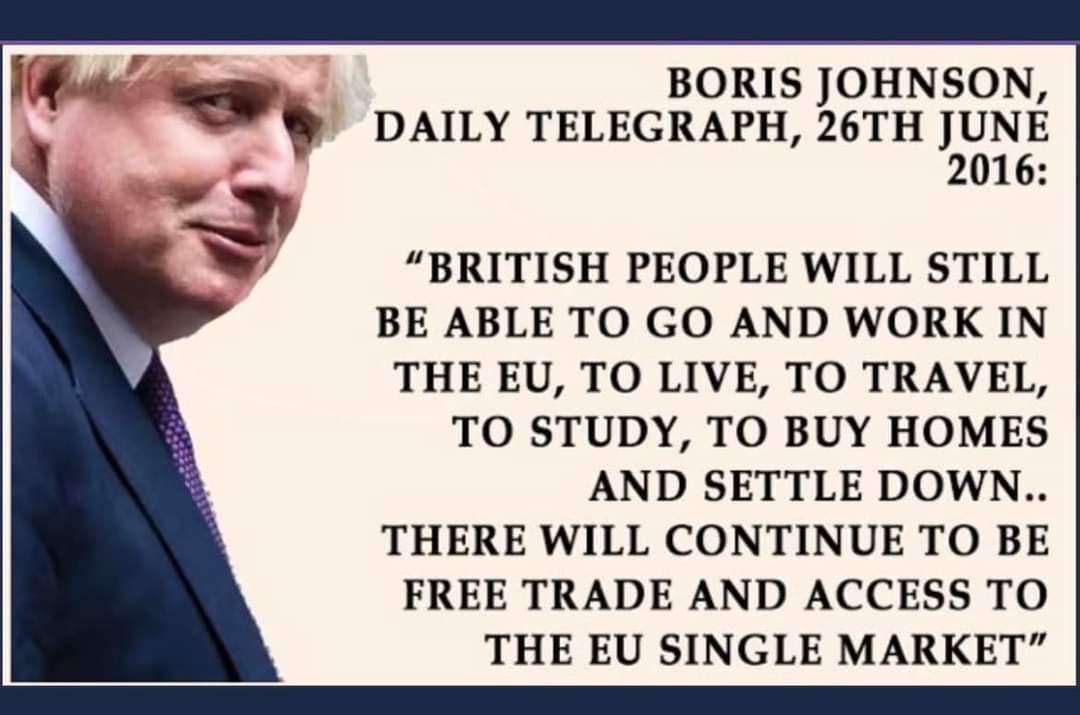
Just a reminder of the #BrexitLies
& Some people want him back as PM....!!!!
Holy shit, when pretty right wing Max Hastings ex-editor of the Torygraph is comprehensively slagging off the tory government, you know the tories are in REAL trouble
https://twitter.com/Ian_Fraser/status/1627442638084362242...
Paul Brownjohn
boosted

Paul Brownjohn
boosted

Nothing will make me close your website faster than finding I have to watch a fucking video to find something out
Will the British ever stop referring to the NHS as “the envy of the world”!
The NHS is not and probably never has been “the envy of the world”. No one in France, Luxembourg, Belgium, Germany, Spain, Italy, or any other civilised European country envies Britain the NHS. Why, because their own healthcare systems are substantially better and more efficient than the benighted NHS.
Nobody in Luxembourg, where I live, would be prepared to wait weeks for an appointment to see a GP! If that was the case there would be outrage; there would be rioting in the streets! If I need to see a GP, I expect to be seen the same day that I phone for an appointment or the next day. If my complaint is urgent then I most certainly will be seen on the day I phone for an appointment.
No one waits for months or years for necessary surgery in any of the countries I have listed, even if the surgery is classed as routine and non-urgent.
I was reading today about a patient suffering from stage four cancer in the UK who has been waiting since late November for the results of a CT scan. I have been unfortunate enough to need a number of CT scans and an MRI, recently. When I go for a scan, I wait for 30 to 40 minutes after the procedure is completed and I am presented with a DVD containing the scan, a software utility enabling me to visualise the scan and the radiologist’s report. The idea that any patient would have to wait for days, weeks or months for the results of any investigative procedure, is totally alien to most cultures in Europe!
This is pretty typical of the way things pan out here:
During a routine colonoscopy, the gastroenterologist found a mass obstructing part of my intestines. He took a sample of the mass to be biopsied and gave me a prescription for a CT scan with contrast medium and a comprehensive set of blood and urine tests. This was on a Thursday; on the Friday morning the blood and urine samples were taken and I received the results during the afternoon of the same day! The CT scan would also have been done on the Friday except that I had to stop taking certain medications that “clashed” with the contrast medium they had to use, so the scan could not be done until the Monday. The results of the biopsy didn't come back until the Wednesday morning however late Wednesday afternoon, I was sitting with the surgeon discussing the surgery that would be needed to remove what, by then, we knew what is a benign tumour.
The surgeon apologised profusely as he was unable to operate for around 5 weeks because the COVID pandemic had caused an enormous backlog in non-urgent surgery. He explained that had there been any doubt that the tumour was non-malignant, I would have been scheduled for surgery that week or the following week, but as it was quite clear the surgery was non-urgent, I would have to wait.
When I was admitted to hospital for the surgery, I was in a ward with just two beds in it and with its own private bathroom. In fact, the second bed was unoccupied for my stay.
Private rooms or two bed wards are the norm in Luxembourg as indeed they are in most other countries in Europe.
Following the surgery, I was asked to get back on my feet as soon as possible and so I did a fair bit of wandering around the hospital. Wards/rooms that were empty, had their doors left wide open so it was easy to see what the occupation rate was like. On the floor that I was on which was a surgical area, only around 30% of the wards were occupied; this is in pretty stark contrast to the near 100% occupancy rates in the NHS!
Most of the nursing staff were not locals but commuted in from Germany, France or Belgium. I asked one or two of them why they came to Luxembourg to work rather than working in their own countries to which the answer was “because we are paid so much more in Luxembourg than in our own countries and because in Luxembourg, we're given so much more responsibility than in our own countries”.
How does that compare with your experience of the NHS?
Paul Brownjohn
boosted




Retired software engineer & woodworker.
Anglo-francophone.
Detest tories. Subscribe to green, leftish radical politics but not to any particular political party!.
Love the EU and all it stands for, moreover, I spent the last 10 years of my career working at an EU agency.
Enthusiastic photographer, especially wildlife and most especially butterflies.
Slightly knowledgeable gardener.
Atheist; loathe almost all religions and pity the people deluded enough to follow them. I make exceptions for Buddhism as it isn't really a religion in the strictest sense of the word as it doesn't postulate the existence of any god, and Jainism which is the epitome of peace.
For anyone who is interested, my header photo is of the most stupendous sunset I have ever seen. On the right is the waterfront of Vientiane, the capital of Laos, on the left is Thailand and in the middle, acting as the border between the two countries is the mighty Mekong river.
Joined Nov 2022
