

Thiago Carvalho @cyrilpedia@social.cleverlibre.org
I've worked on all of science, from B cells to T cells.
https://fellowsherpa.com
Joined Nov 2022
Thiago Carvalho
boosted

Public health messages have not sufficiently emphasized the risks of Covid to pregnant women and the benefits of vaccination to the fetus. #healthcare #covid #pregnancy https://www.nytimes.com/2022/12/08/health/pregnant-women-covid-flu-vaccine.html?smid=nytcore-ios-share&referringSource=articleShare
Thiago Carvalho
boosted

We want you to transfer our knowledge‼️
Position:
Knowledge transfer coordinator
Application deadline:
December 15, 𝟮𝟬𝟮𝟮
Further Informationen:
https://www.mdc-berlin.de/career/jobs/knowledge-transfer-coordinator-communications-staff-unit
#mdcBerlin @BIMSB_MDC
Thiago Carvalho
boosted


#IDMastodon Antibiotic resistance associated with the #COVID19 pandemic: a systematic review and meta-analysis by @GermHunterMD
https://www.clinicalmicrobiologyandinfection.com/article/S1198-743X(22)00610-3/fulltext#%20
Thiago Carvalho
boosted

🧬 A new consortium in  focussing on the (patho)physiological consequences of genome instability led by Bjoern Schumacher @schumacherbj and Stephanie Panier.
 Proud and grateful to be part of this!

🙏 A huge THANK YOU to Bjoern, Steffi, and everyone else in the enterprise!
Stability is what we need 😉
Thiago Carvalho
boosted

RT @vervaeke_john
I recently joined @DeBeaudoir on her podcast "Planet: Critical" in an episode titled "Making Sense of the Meaning Crisis." We discuss the impact that the meaning crisis is having on individuals all around the world and what to do about it.
Listen here: http://ow.ly/xmKs50LYBhw
"Always highlight the global repercussions of every local crisis, and the interconnectedness of all people. Avoid hysteria based on otherness and understand that incremental progress can have tremendous impact. At the same time, don’t assume populations of low- and middle-income countries accept lower health and life standards than those living elsewhere."
https://qz.com/10-best-practices-for-equitable-global-health-journalis-1849861581
Thiago Carvalho
boosted

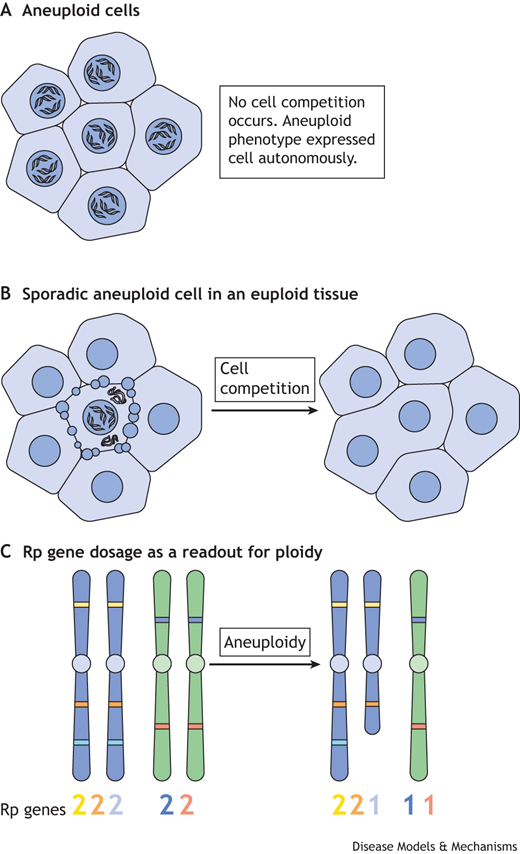
Aneuploidy, the gain or loss of chromosomes, can cause birth defects, miscarriage, #cancer predisposition and age-related disorders.
In a brand new review, Nicholas Baker from Albert Einstein College of Medicine and Cristina Montagna from Rutgers Cancer Institute of New Jersey discuss evidence that #aneuploid cells are eliminated in the presence of normal cells and the potential role of ribosomal protein #gene #haploinsufficiency.
https://journals.biologists.com/dmm/article/15/11/dmm049673/285137/
#OpenAccess #CellCompetition
I never really believed this of a multichannel.
'In 1976, he invited me to join him at the Salk Institute for Biological Studies in La Jolla, California, where he was a visitor. He introduced me to the laboratory and its inhabitants with a beguiling sense of analytical distance. Reverently picking up a pipette, he said: “This, they believe, measures the amount of a liquid.”'
#BrunoLatour
Thiago Carvalho
boosted

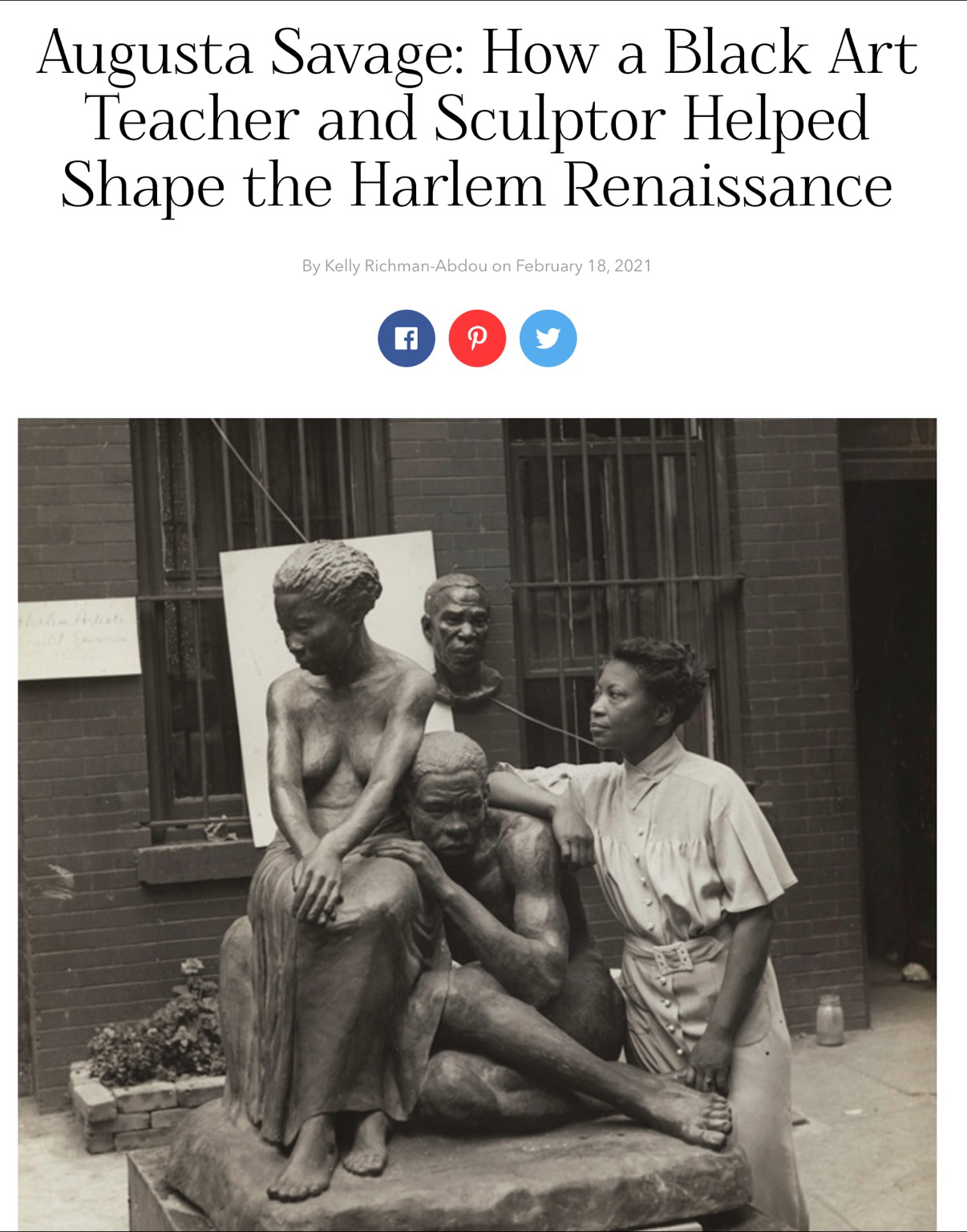
#AugustaSavage: How a #BlackArt Teacher and #Sculptor Helped Shape the #HarlemRenaissance
#BlackFriday
https://mymodernmet.com/augusta-savage/
'What types of responses can occur transgenerationally? Can the brain coordinate these responses?'
Throwback to the Fall of 2021, the second #EMBOPodcast with @Odedrechavi "Physiologically Irreverent"
Thiago Carvalho
boosted

RT @casso89
We are happy🎉to share our new study recently published in @EurJImmunol entitled “Clonal composition and persistence of antigen-specific circulating T follicular helper cells”. https://onlinelibrary.wiley.com/doi/10.1002/eji.202250190
A little thread 🧵1/10
Thiago Carvalho
boosted

RT @HelenKAlexander@twitter.com
Interested in a PhD in infectious disease, in beautiful Edinburgh? Check out the Wellcome HPGH doctoral training program, apply by *12 Jan* for autumn 2023 start. Myself and many great colleagues are potential supervisors but you don’t need a supervisor arranged to apply! https://twitter.com/edin_eid/status/1597633367822184449
🐦🔗: https://twitter.com/HelenKAlexander/status/1601170943874932737
Thiago Carvalho
boosted
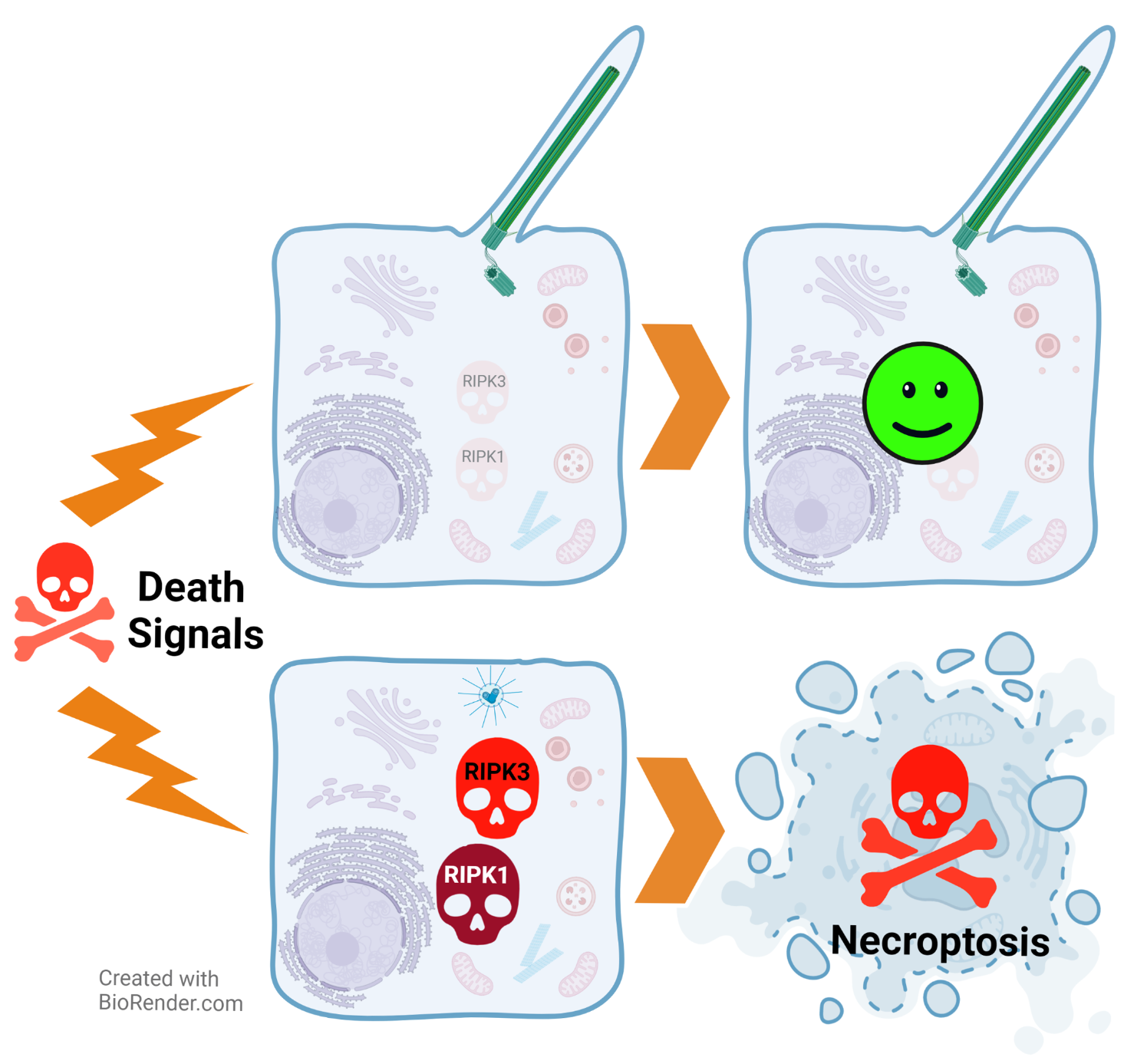
📣 📣 Happy to share our 1st paper on cilia & cell death - within the framework and with the support of the @SFB1403 
👉 https://www.nature.com/articles/s41420-022-01272-2
Excellent work, primarily by Emilia, who has killed billions of cultured cells along the way 😉
1000x🙏 to Emilia and the team🥳 🎉!
Right now, we study this in preclinical models to check for translational potential. So more in vivo data will follow soon!
#cilia #CellDeath @cilia
#necroptosis #UniklinikKöln @CECAD
@UniKoeln
Thiago Carvalho
boosted

Last year, @channyskye@twitter.com launched her @DukeCellBiology@twitter.com lab to study how damage to energy-providing mitochondria in brain cells might lead to neurodegenerative diseases, like #ALS and #Alzheimers. Read more about her work + path to Duke in @TheScientistLLC@twitter.com!
https://www.the-scientist.com/scientist-to-watch/chantell-evans-tracks-mitochondrial-cleanup-in-neurons-70695
Thiago Carvalho
boosted

.@eLife@twitter.com is leading the way in innovating the scientific publishing process and from 2023 will focus on reviewing & assessing #preprints. In support of this model, 9 funders have announced that they'll recognize reviewed preprints in research assessment 👏
https://buff.ly/3UIMr7s
Thiago Carvalho
boosted

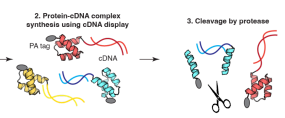
Absolutely love this #preprint! The authors do cell-free #proteinexpression in the mRNA-display style to attach the encoding cDNA to the expressed protein. Then, they subject to proteolysis to infer information about protein stability.
#DNA #sequencing ties it together, and you have a 1.8-million variant library with quality stability data for ~850k of those.
Give it a look: https://www.biorxiv.org/content/10.1101/2022.12.06.519132v2.full.pdf
Thiago Carvalho
boosted

RT @JonRWhitlock
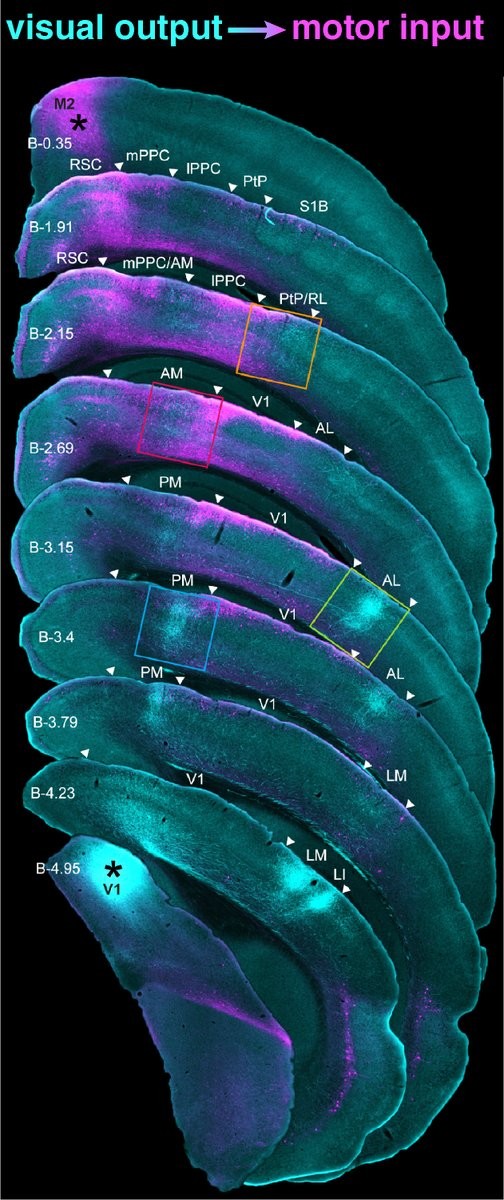
To anyone with eyes: ever wonder how visual signals get to the motor system? We did. So we mapped the anatomy in mouse cortex and made it into sweet eye candy: the great work of @KarolineHovde @Idavrautio Andrea-Marie Hegstad, with Menno Witter!
https://www.biorxiv.org/content/10.1101/2022.12.08.519609v1
'La bête du Gévaudan a tué au moins 78 paysans sur un territoire délimité, dans le Gévaudan, au XVIIIe siècle. L'affaire a durablement terni l’image du loup, faisant de celui-ci une créature sanguinaire et l’ennemi public numéro 1 pour les éleveurs, comme le relate l'historien Bernard Soulier : "Les sources dont disposent les historiens évoquent une bête très grosse, raie noire sur le dos, tâche blanche au poitrail. Les témoins n’ont pas réussi à l’identifier formellement. Ils ont toujours dit : “Cette bête ressemble un petit peu à un loup mais est différente du loup par plusieurs points.”
https://www.radiofrance.fr/franceculture/la-bete-du-gevaudan-etait-elle-vraiment-un-loup-6496208
Thiago Carvalho
boosted




@DrYohanJohn @cian @NicoleCRust
C. Elegans, with all the neuropeptide signaling, seems more a 300-body conversation of gene networks. If that's what's going on in 86-billion neuron networks, then indeed we have some theoretical problems.
Nevertheless... skeptical of the benefits of a neural panopticon? No way! :)
Neuroscience is empirical science. If we had a NP, then I think we'd have a new set of theoretical problems, but the absolute floundering right now would be a thing of the past.
'The mechanism underlying these findings was examined in experiments in mice that showed that germinal centers (GCs) formed in the presence of the same antibodies were dominated by low-affinity B cells. Our results indicate that pre-existing high-affinity antibodies bias GC and memory B cell selection by two distinct mechanisms: (1) by lowering the activation threshold for B cells thereby permitting abundant lower-affinity clones to participate in the immune response, and (2) through direct masking of their cognate epitopes. This may in part explain the shifting target profile of memory antibodies elicited by booster vaccinations'
I've worked on all of science, from B cells to T cells.
https://fellowsherpa.com
Joined Nov 2022
