
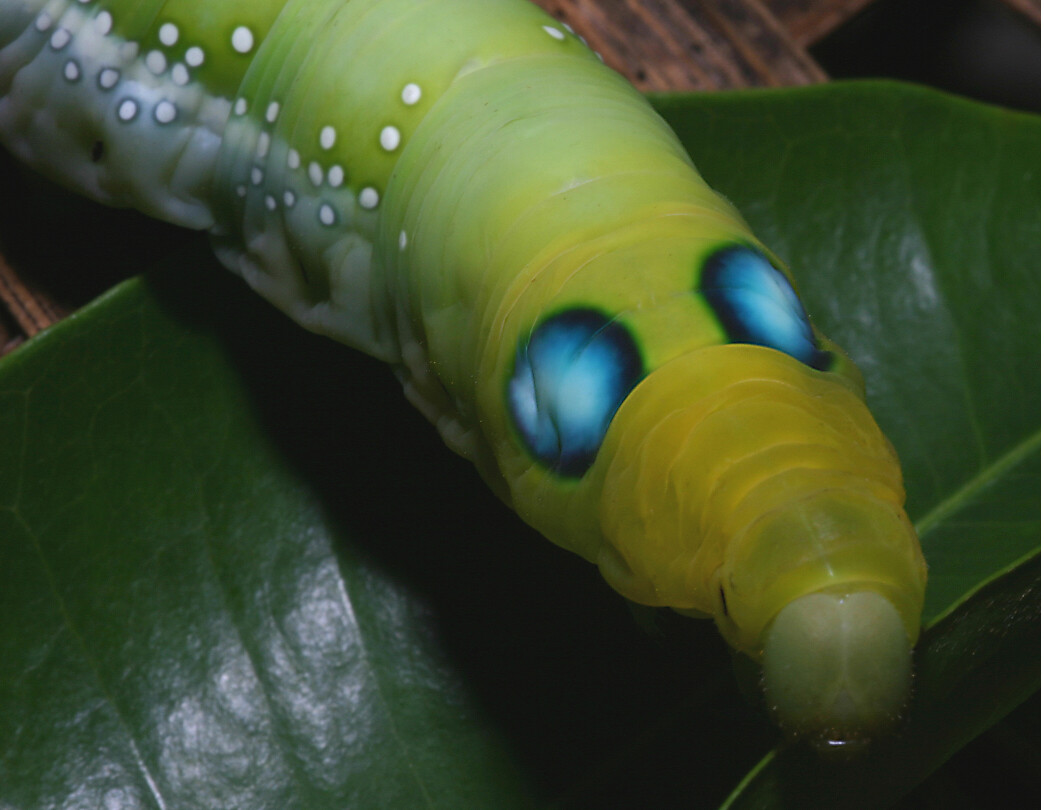
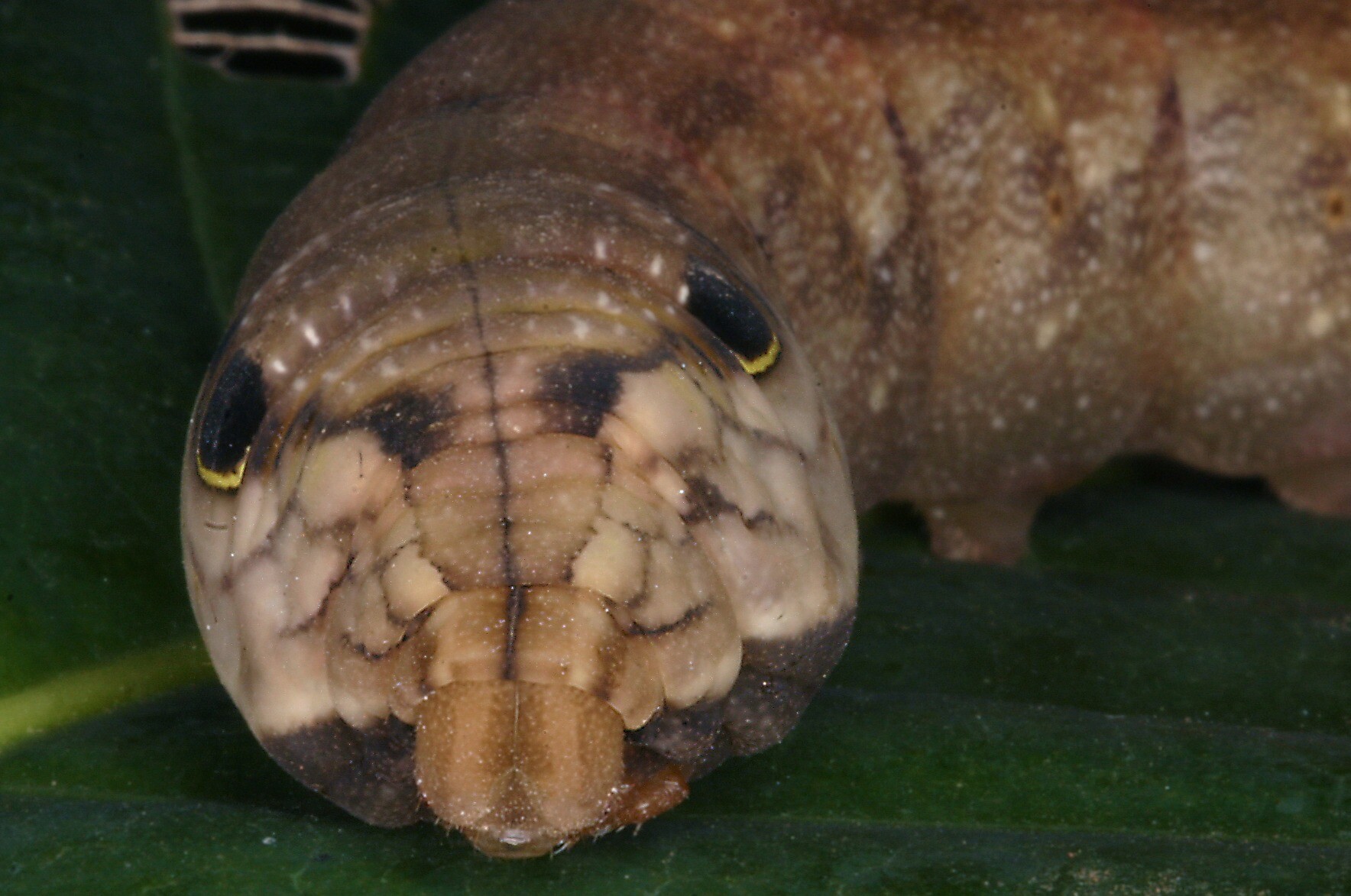
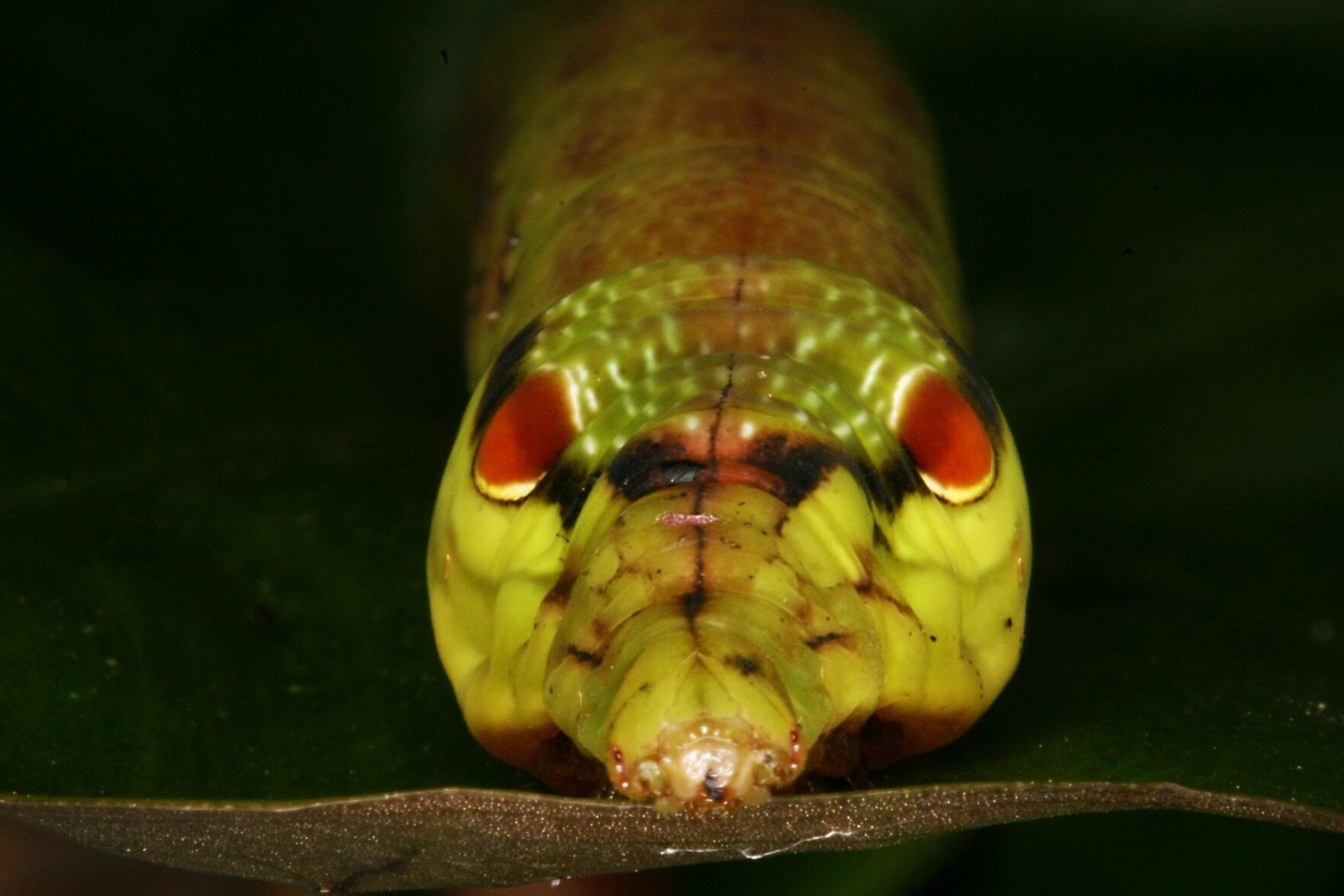
"We've got eyes on you." Eyespots may mimic the eyes of their predators’ enemies, eg mimic dangerous snakes that might attack a hungry insect-eating bird. Birds, of course, mimic their predators- I’ve often been fooled into thinking I’m hearing a Crested Serpent Eagle when it’s actually a drongo having a bit of fun (or sounding the alarm).
This lot all hawk moths (Sphingidae)
see http://caterpillar-eyespots.blogspot.com/2015/05/body-size-affects-evolution-of-eyespots.html
#lepidoptera #caterpillars #moths #nature #biology


@jdmyeepa
You may be interested in this: [A cross-cultural study of animal fears](https://www.sciencedirect.com/science/article/abs/pii/S000579679800059X).
As an Indian, I've always found the (excessive) fear of spiders a bit perplexing (I used to wonder if it was just an online meme). I certainly find caterpillars creepier and even fire ants scarier than spiders.

@digital_carver thanks for that. Very interesting. I'll delve into the article as soon as I've got a moment. It sounds exactly what I'm interested in