

mc ☕ @mc@social.cleverlibre.org
Describe myself in 5 tag words:
#mathfolk #programmer #reader #traveller #researcher
header: Cobalt Mirror (Lake Louise), photo by Paul Zizka
Joined Apr 2021
mc ☕
boosted

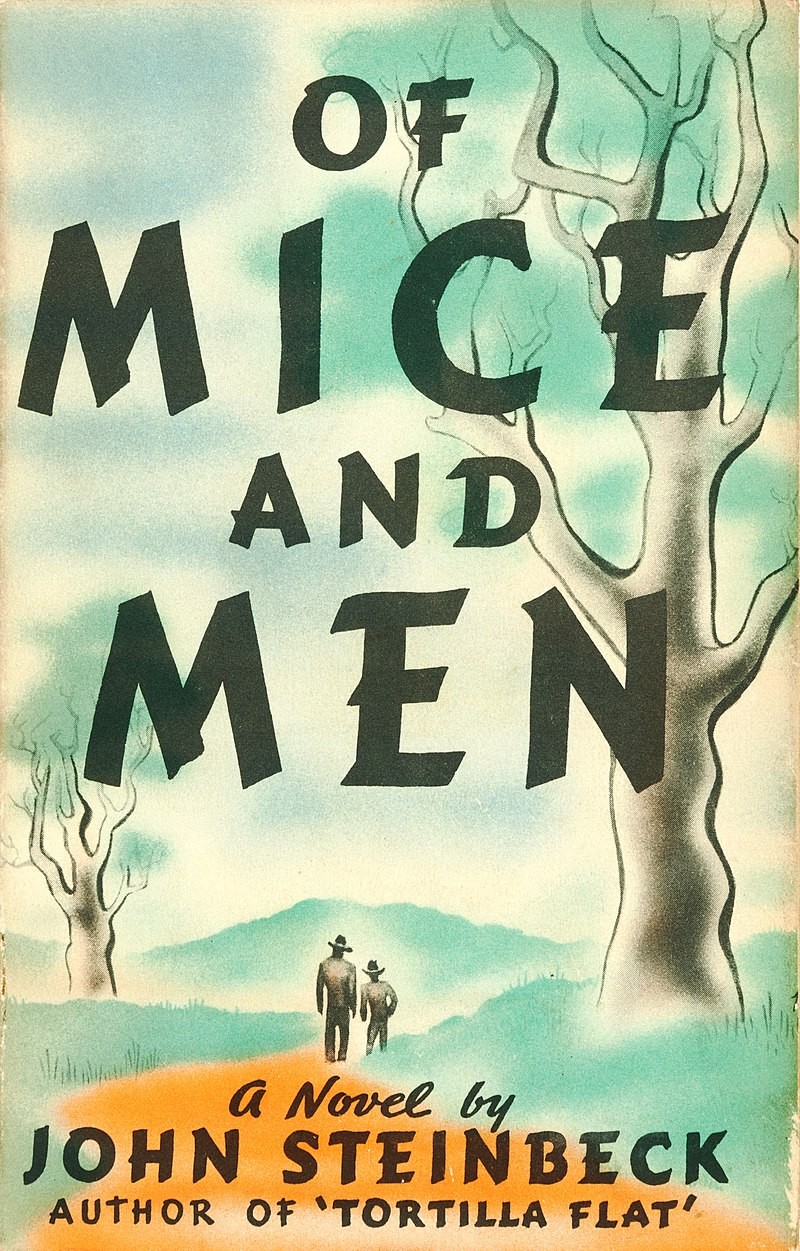
Of Mice and Men by John Steinbeck is published #OTD in 1937.
The novella has been banned from various US public and school libraries or curricula for allegedly "promoting euthanasia", "condoning racial slurs", being "anti-business", containing profanity, and generally containing "vulgar," "offensive language," and containing racial stereotypes, as well as the negative impact of these stereotypes on students. Many of the bans and restrictions have been lifted. via @wikipedia
@Walrus
Thanks for commenting. Oppinions and reviews are welcome while I'm writing the 2nd booklet of the series.
Could you be more specific? Have you read the booklet, or you're commenting the quotes I use here?
About linear programming, as a Stamford Professor always said at the begin of a new course, "thanks god I learned Basic".

@bmacDonald94
Very good.
@foone
There's a Linux distro for everyone.
https://iviv.hu/posts/ae6977a0985d013ccad2723c915ba918
This is just my selection. If you wat more go to distrowatch.com
Way down, #photo by #Indiefotog #photographer
source: https://indiefotog.com/way-down/
Learn Algebra with Julia - Math for entry-level IT professionals, vol. 1, #mybook 💥 #newbook 🆕 is available here:
https://leanpub.com/learnalgebrawithjulia/
> As W. W. Saywer writes in his Mathematicians Delight, “The main object of this book is to dispel the fear of mathematics.”
> “It’s no secret that knowing advanced mathematical concepts and being comfortable with learning #math will open up more avenues for you as a software #developer. …"
> The very nature of programming is mathematical.
-- from the Intro
\+ 50 Math Puzzles - Solved Using Functional Julia, my #newbook is available [here](https://leanpub.com/more50mathpuzzles-solvedusingfunctionaljulia/)
Math and #code #extensively #explained , some #original puzzles. (Or you can just copy and paste the code into a Julia REPL and... 🎉 ... watch the magic! ❇️ )
teaser puzzle [here](https://telegra.ph/Pickleminster-to-Quickville-03-20)
@xurxia
I don't know your level of understanding of math, so I'll put here 2 links, one with a more generalist explanation,
https://gereshes.com/2018/05/07/what-is-the-n-body-problem/
and other a little more math/solution oriented,
https://legacy-www.math.harvard.edu/archive/118r_spring_05/handouts/nbody.pdf
I hope one of them may be of some interest to you.
mc ☕
boosted



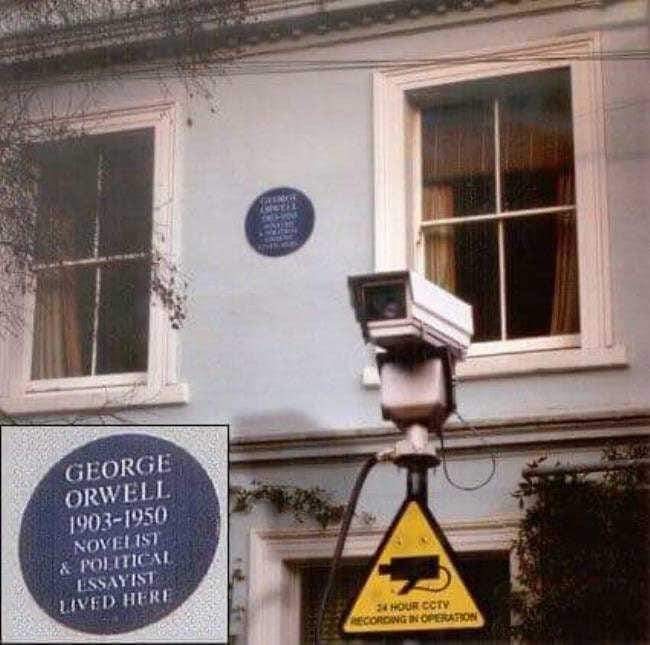

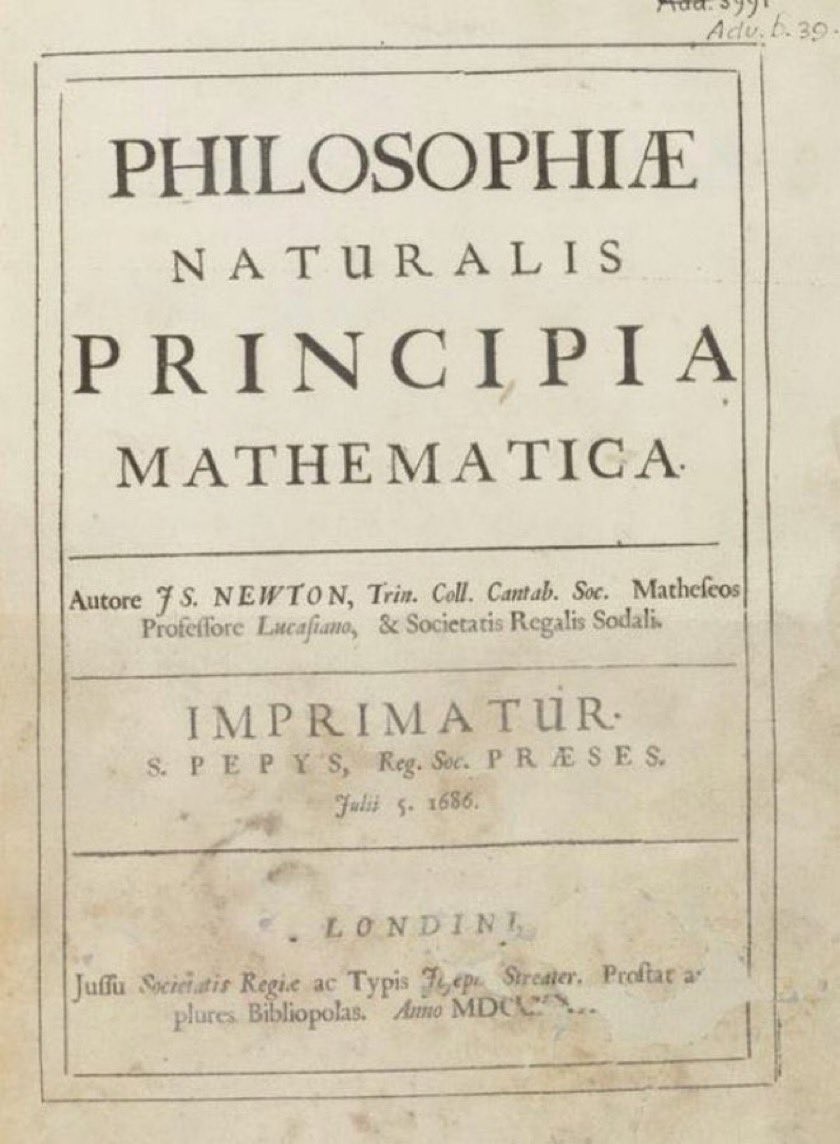
Newton's "Philosophiæ Naturalis Principia Mathematica” was published in 1687. It spells out his three Laws of Motion, which explain the relationship between the forces acting on an object and the changes in its motion, as well as his law of universal gravitation.
You can page through Newton's own annotated copy of his Principia here, courtesy of the Cambridge University Library:
https://cudl.lib.cam.ac.uk/view/PR-ADV-B-00039-00001/9
You can also download copies of the individual pages.
@historicalimages@mastodon.social
I like your photos. May I ask what happened?
Describe myself in 5 tag words:
#mathfolk #programmer #reader #traveller #researcher
header: Cobalt Mirror (Lake Louise), photo by Paul Zizka
Joined Apr 2021
