

Neurofrontiers @neurofrontiers@social.cleverlibre.org
We're a neuroscience blog trying to make neuroscience accessible for everyone! Check it out here: https://neurofrontiers.blog
Joined Nov 2021
Day 2 of #ScienceAdvent asks us to talk about a discovery that impressed us this year.
Originally we were planning on talking about this paper which introduces a new way of delivering targeted epidural electrical stimulation for restoring trunk and leg motor functions after spinal cord injuries:
https://www.nature.com/articles/s41591-021-01663-5?fr=operanews
But our uni doesn’t subscribe to Nature Medicine and we couldn’t find it anywhere on the internet, so we had to settle for something else.
Neurofrontiers
boosted

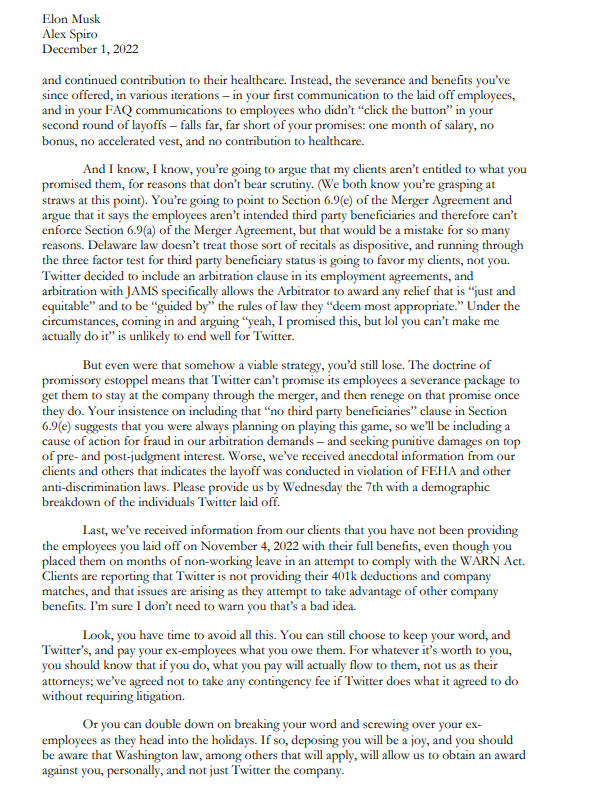
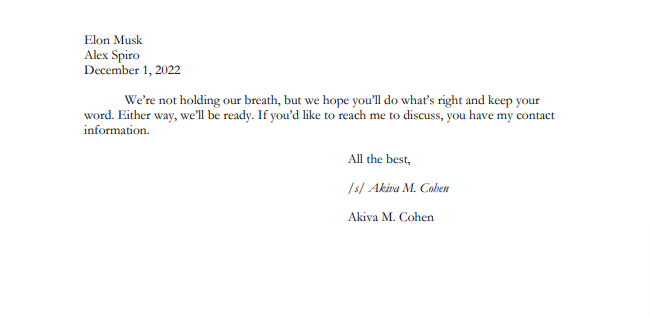
So here's the thing. You can only violate people's legal rights and your own word so far before they lawyer up and come after you.
I really do hope Musk changes his mind and does the right thing - the employees deserve that. But it'll be fun as hell if he doesn't.
@AkivaMCohen This absolutely made my morning! It’s like seeing the school bully called to the principal’s office.
Neurofrontiers
boosted

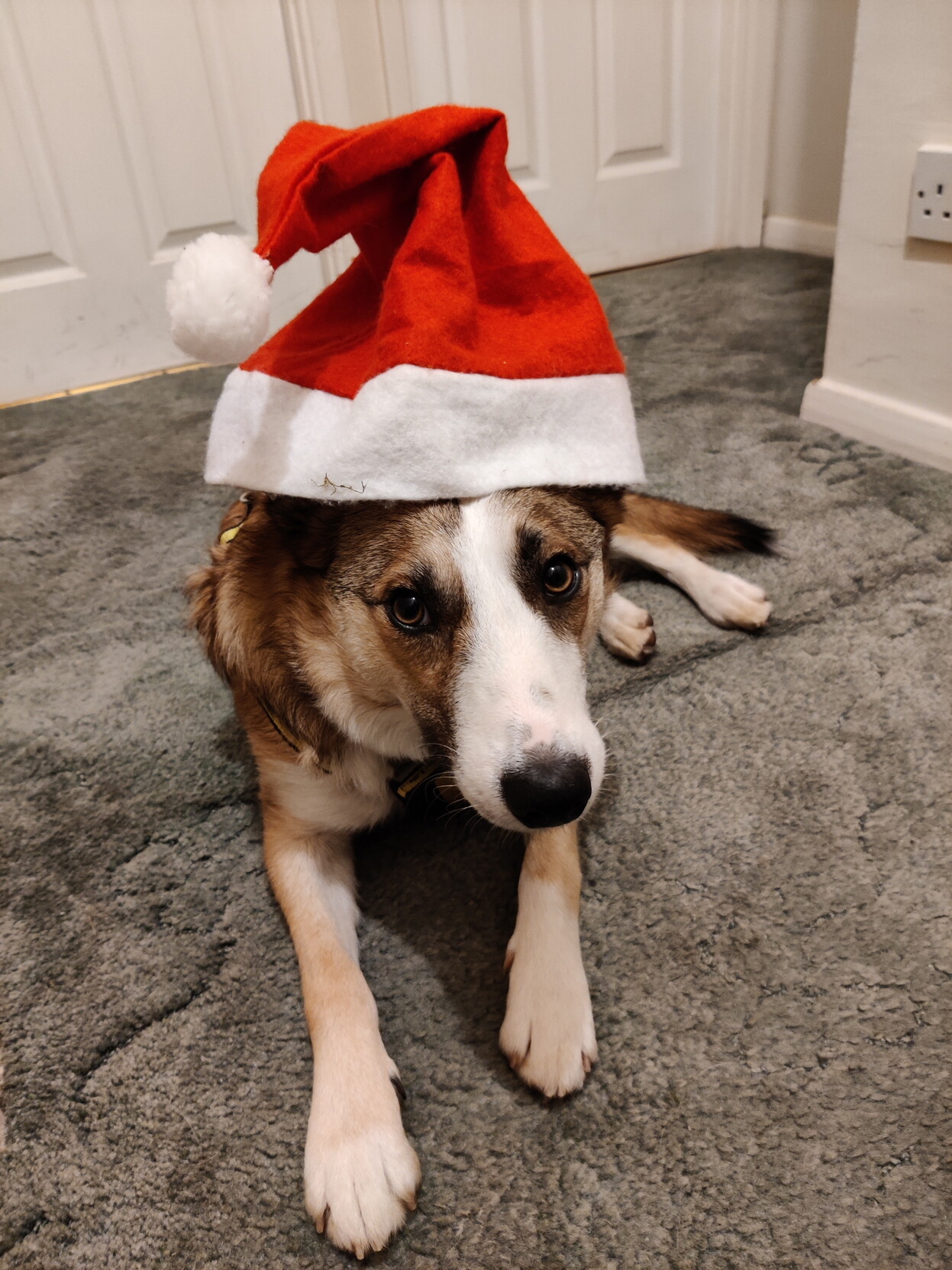
Hello again, all you wuffly people, and happy #ThrowbackThursday
I hope your week has been going great. The weekend is so close now!
Since it's December now, my throwback picture was Dad's attempt last year to get a photo for the family Christmas card. You can tell from my face I'm not amused.
Have a great rest-of-your-day, frens. See you tomorrow ❤️ 🐶
#Dog #Dogs #DogsOfMastodon #BorderCollie #AustralianKelpie #Christmas #SantaPaws #DadWillPayForThis
Neurofrontiers
boosted

Is there no end to these speculative studies?
"Brains of post-pandemic teens show signs of faster ageing, study finds"
'Ageing' here could as easily be read as 'maturing', perhaps what you'd expect in teens who live through societal challenges.
Brain imaging studies are often ambiguous, underpowered & peculiar to a specific time/place. This study, focusing on a target group of 64 Californian 16-year-olds, tells us very little of substance.
Should've probably shared this earlier, but I pretty much forgot. In December, we'll do a little #ScienceAdvent challenge. We've come up with 20 science-related prompts and every day we will share our neuroscience take on one of them. If you'd like to join in as well and share cool stuff from your field, here are the prompts: https://neurofrontiers.blog/science-advent-a-journey-through-science/
Don't forget to use the hashtag #ScienceAdvent.
The first prompt is "A scientist you admire". We picked a true legend in neuroscience: Brenda Milner. Here's our take on it: https://neurofrontiers.blog/brenda-milner-the-neuroscientist-to-admire/
Looking forward to learning about awesome scientists from other fields!
#neuroscience #science #ScienceCommunication #SciComm #advent #learning
Neurofrontiers
boosted

The Canine Brains Project has finally joined Mastodon! Here's our #introduction! 🐶 🧠 🎓
We are scientists from Harvard's Hecht Lab who are studying dog #neuroscience and #behavior. We are interested in how #genes, #neuroanatomy, #dogtraining, and lifetime experiences shape dogs' minds. We also study how dog brains and behaviors #evolve.
#dog #dogsofmastodon #evolution #EvolutionaryBiology #evolutionaryneuroscience #animalbehavior #ethology #MRI #neuroimaging #workingdogs
Neurofrontiers
boosted

So this paper came out last month claiming to find evidence of #quantum entanglement in the BRAIN! Of course it' s making a big splash in the popular press. My gut reaction is to be highly skeptical. Does anyone know enough #MRI #physics to judge what's going on?
#neuroscience
https://iopscience.iop.org/article/10.1088/2399-6528/ac94be
Neurofrontiers
boosted

As I replied on Twitter (wickedly since I believe that we all should leave it) after a postdoc with Larry Weiskrantz I applied for jobs at Sheffield University and Sussex University in the UK and failed to get them. Then I got a permanent job at Oxford.
Neurofrontiers
boosted

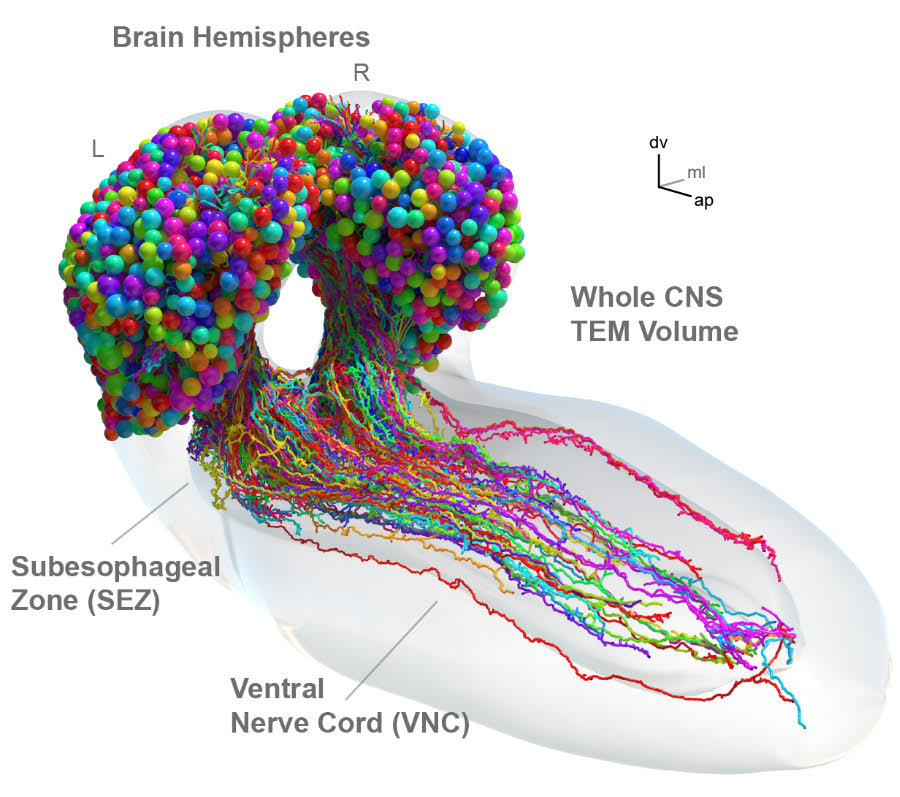
3,013 neurons, half a million synapses: the complete #connectome of the whole #Drosophila larval brain!
Winding, Pedigo et al. 2022. "The connectome of an insect brain" https://www.biorxiv.org/content/10.1101/2022.11.28.516756v1
We’ve mapped and analysed its circuit architecture, from sensory neurons to brain output neurons, as reconstructed from volume electron microscopy, and here is what we found. 1/
Neurofrontiers
boosted

Remember to say No to 90% of the things someone asks you to do. To things where "help is needed". To things that you know you could rock.
You have neither the time nor the energy to do it all.
Is what I said to myself today, too.
Neurofrontiers
boosted

Just published
@ScienceMagazine
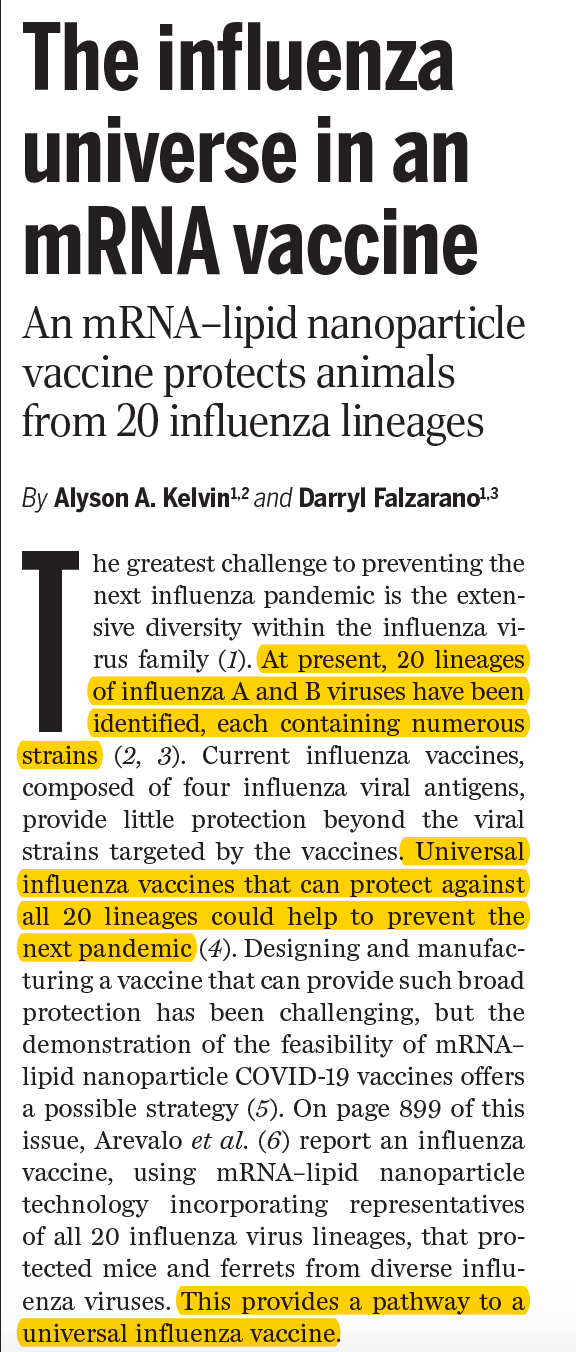
A universal influenza mRNA vaccine effective against all 20 lineages of influenza A and B, protective in experimental models
https://www.science.org/doi/10.1126/science.abm0271
@ianburnette This is incredibly helpful, thank you so much for sharing!
Neurofrontiers
boosted

If you're like me, then you were really happy to learn about Mastodon's enthusiastic support for image descriptions, and you were really eager to join in.
Then you went to actually write something and realized you have no idea how to present visual information in a way that is helpful/enjoyable to those who are #VisuallyImpaired or #Blind.
I found this guide really informative: https://uxdesign.cc/how-to-write-an-image-description-2f30d3bf5546
Of course, I'd also love to hear any additional tips y'all might have!
Neurofrontiers
boosted
New! Now published in the latest issue of 'Brain' >> our article on why it is dangerously wrong to attribute postural tachyardia syndrome (POTS) to psychogenic processes.
Or in plain language:
This symptom of #MECFS and #LongCovid reflects central neurological dysfunction...it is not "all in the mind".
Neurofrontiers
boosted

Understanding #Mastodon gets easier once you get the basic idea that federation between servers can be understood as homeomorphisms across hyperplanes between the Riemannian manifolds of toots, whereas the servers represent countable finite sets of discrete entities.
Neurofrontiers
boosted

For environmental reasons, I will not be leaving coal in anyone's stocking this year.
Those on the naughty list will instead get a 1 month subscription to #Twitter Blue.
@barefootstache Fear of missing out and guilt for not being able to do what the others are doing would kick in strongly when skipping the talks.
I get that it would be quite wasteful to travel (usually) so far and not pack as much as possible into the schedule and that it’s wishful thinking, but in my mind the ideal conference would still have slightly more breaks where extroverts can be chatty and introverts can have some quiet 😅
Neurofrontiers
boosted

Right now everyone is still engaged in making connections and introductions, but as @PessoaBrain mentioned, we should think about ways to stimulate good #neuroscience conversations (especially sans timeline algorithm).
I don't think there is any magic formula, so I'd encourage everyone to just post what fascinates them: stray thoughts, quotes from papers and books, diagrams, contentious topics, and perhaps my favorite: 'dumb' questions. 🤓
[...]
Neurofrontiers
boosted




did you know it’s free to say, “I don’t know enough to weigh in” and skateboard away like bart simpson
We're a neuroscience blog trying to make neuroscience accessible for everyone! Check it out here: https://neurofrontiers.blog
Joined Nov 2021
