

Peter Drake, he/him, LFHCfS 🔥 @peterdrake@social.cleverlibre.org
- Siva Afi
- https://tgc.link/siva-afi
- Cascadia 9.0
- https://www.cascadia9game.org/
CS professor, game designer, and fire dancer ordinaire.
Joined Aug 2018
Peter Drake, he/him, LFHCfS 🔥
boosted


@cstross That headline made me worried that Matt Bellamy had gotten into crypto!
Peter Drake, he/him, LFHCfS 🔥
boosted

New blog entry: Go away, Muse, you're drunk (again): http://www.antipope.org/charlie/blog-static/2023/06/go-away-muse-youre-drunk-again.html
Peter Drake, he/him, LFHCfS 🔥
boosted


The part of the brain that thinks about starting fires is the zippocampus.
Peter Drake, he/him, LFHCfS 🔥
boosted


I really appreciate image descriptions when my mobile wifi is shit and all that loads is the text description and not the image. Amazing how designing for disabled folks is better for everyone.
If you were holding out for a discount to buy my card game about Samoan fireknife dancing, it's the "deal of the day" on thegamecrafter:
https://www.thegamecrafter.com/games/siva-afi:-the-fireknife-dance-of-samoa
#GameDesign #CardGames #SivaAfi #FireArts #FlowArts #samoa #samoan #fireknife
@NanoBookReview @OlDude82 There has been considerable movement on that front in Oregon (and specifically in Portland):
https://www.opb.org/article/2023/05/28/oregon-statewide-ranked-choice-voting-proposal/
Peter Drake, he/him, LFHCfS 🔥
boosted

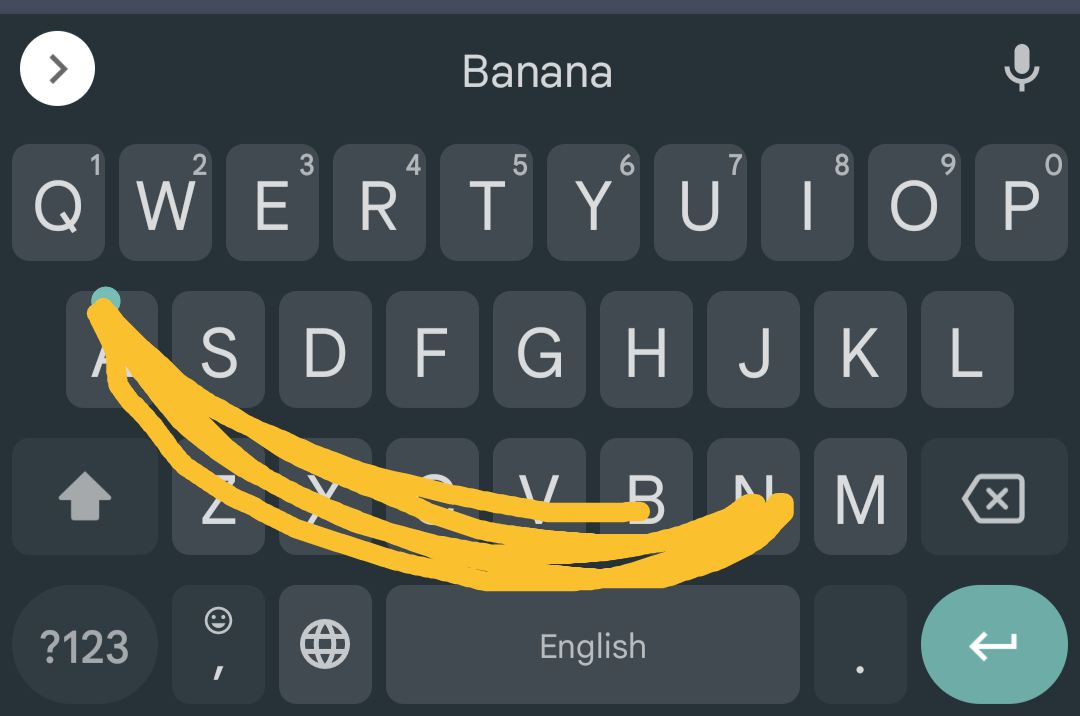

"We're going in full waddle. That ought to keep that water off our back."
-Duck Skyquacker
Wow, in-app purchases are offensive. #GameDev
@khird @trinsec @BaldSavant The first issue is addressed a bit in the existing, web-based game 1:
https://peterdrake.itch.io/cascadia90
(It's also addressed in the upcoming game 2.)
The second one is also interesting!
@khird @trinsec @BaldSavant Lots of good ideas here!
Note that we're not just concerned with what to do at the moment a quake strikes and immediately thereafter. We're also concerned with preparedness and with surviving and thriving in the weeks afterward (during which, in the case of a Cascadia Subduction Zone event, outside help may not be available).
@BaldSavant @trinsec Yeah, I'll definitely be spending some time in the GDC vault.
@BaldSavant @trinsec Can you say more about time?
@trinsec @BaldSavant What sorts of UI or simulated actions can the player perform within the game?
For example, mobile (which uses touch screens) seems very bad at:
Hitting a control with precise timing
Pointing precisely
Displaying large amounts of detailed information
They seem okay at:
Pointing at things imprecisely
Sliding things around
They may have advantages in:
Detection of the tilt of the device
Multi-touch gestures
Starting the game ASAP (without taking several minutes to boot up a device)
Consequently, something like Diablo, where you have to navigate around a large world, point precisely under time pressure in combat, and manage complex inventory or crafting, would be horrible on a mobile device. Candy Crush and Angry Birds, on the other hand, work nicely.
My agenda here is that we're starting to think about the third of our earthquake preparedness games. Because of the audience we're trying to reach (18-to-29-year-olds across all socioeconomic levels), we think mobile might be a good way to go, but it's tough to build an adventure / survival game for mobile.
@trinsec @BaldSavant Okay, but what about games that don't take advantage of location?
It's been noted that desktop games are good at exploration: the player's primary activity is wandering around the virtual world.
VR is not good at this because you can't really walk more than a few feet before running into an IRL wall. VR *is* good at manipulating objects.
Question: what player activities are well-supported by mobile games?
@futurebird Adjacent to this is the (apparently apocryphal) Margaret Mead "healed femur" story:
- Siva Afi
- https://tgc.link/siva-afi
- Cascadia 9.0
- https://www.cascadia9game.org/
CS professor, game designer, and fire dancer ordinaire.
Joined Aug 2018
