

Adam Pascale @seislologist@social.cleverlibre.org
Chief Scientist at the Seismology Research Centre in Melbourne, Australia #earthquake #seismology
Also find me @seislologist on TikTok & Instagram
Joined Nov 2022
Adam Pascale
boosted

This is an ancient beach but it’s no longer at sea level!
The red arrows show the shore platform cut by wave action into mudstone (grey); its overlain by beach sands (orange-brown) and loess (grey-brown). I studied these shore platforms, at the southern Hikurangi subduction margin in NZ, to work out how old they are; this one is ~100k yrs old but others nearby are ~125k yrs old and ~220 m in elevation! That’s an uplift rate of 1.7 mm/yr! What did this? Earthquakes! Lots and lots of #earthquakes!
South of Fiji again, magnitude 7.2 according to Geoscience Australia
Adam Pascale
boosted

Hello! #introduction 🌋 I'm a #volcanologist at #UEA interested in #volcanoes, reducing disaster risk and sharing knowledge .. I think (!) I've migrated things here from other servers. I love science but also love other ways of making sense of this beautiful 🌍
Adam Pascale
boosted

Greetings tooters!
this account is for Dr. Jason "Jay" R. Patton (aka EarthJay) and I march for science. #hashtag #Introduction #MastodonIntroduction
His main education/outreach effort is voluntarily writing up #EarthquakeReport posts on earthjay.com. These are for #earthquake and #tsunami events of interest, sorted in different ways; sorted by year here: https://earthjay.com/?page_id=3220
they are an engineering geologist (PG license 9758) who serves the public while at the California Geological Survey, Seismic Hazards and Tsunami programs. https://www.conservation.ca.gov/cgs/
he has been studying the tectonics of the Cascadia subduction zone (a convergent plate boundary fault system) for over 25 years (MS thesis at cal poly humboldt, dept geology). he is an adjunct professor at this dept. https://geology.humboldt.edu/
they studied marine sedimentary records (submarine landslide deposits called turbidites) of earthquakes offshore of Sumatra/Cascadia for my marine geology & geophysics PhD at oregon state university. https://ceoas.oregonstate.edu/
capital letters are over rated but chocolate and oxford commas are not.
Hi fellow #Mastodonians (or is it #Tooters - I’m not sure what our collective noun is here). I try to do short weekly #earthquake #scicomm videos. This week’s deep #Fiji events were a good excuse to talk about #subduction
Adam Pascale
boosted

Adam Pascale
boosted

Hi folks! In case you weren't already following me on The Bird App, I'm Jessica Ball, a physical #volcanologist who specializes in volcanic stability, volcanic #hazard modeling, assessment, and communication. I work for a US #volcano observatory and #scicomm is actually part of my job! I also dabble in #usability, #Python & #datavis.
In my free time, I mushroom hunt, knit, and occasionally do cosplay that involves knitting.
Is that a second, larger Fiji quake coming through?
Energy waves from a magnitude 6.8 earthquake south of the Fiji Islands is travelling across our Southeast Australian seismograph network
Adam Pascale
boosted

@janinekrippner @seislologist @astrokiwi @jascha @seismogenic Speaking of...here's a whole list of journos on Mastodon, which can come in quite handy for #SciComm, Crisis Comm, etc.
Did you miss last Friday's webinar with presentations from 11 organisations working on #Seismology in #Australia? Well, it's now on YouTube! Don't be daunted by the 2 hour runtime - there are descriptive chapter markers so you can jump between presentations https://youtu.be/D5S4pUhjJbo
Adam Pascale
boosted
Posting this for friends who are new to Mastodon. It's a great primer from @clive.
https://clivethompson.medium.com/come-join-me-on-mastodon-folks-bbb073ff05d2
Adam Pascale
boosted

#introduction
Greetings!
I'm Jaime, a #seismologist interested in rapid earthquake source determinations, radiated seismic energy, #Tsunami #earthquakes, induced #seismicity, and overall seismicity in slowly deforming regions.
Also, I am an #openscience and #openaccess advocate through Seismica ( seismica.org ) a diamond open access journal for #seismology and #earthquake science.
I promote science in #English, #Portuguese and #Spanish.
Adam Pascale
boosted

Hi, a first post to introduce myself. I'm Paul Denton from the UK, I'm interested in sailing and seismology, I prefer dogs to cats.
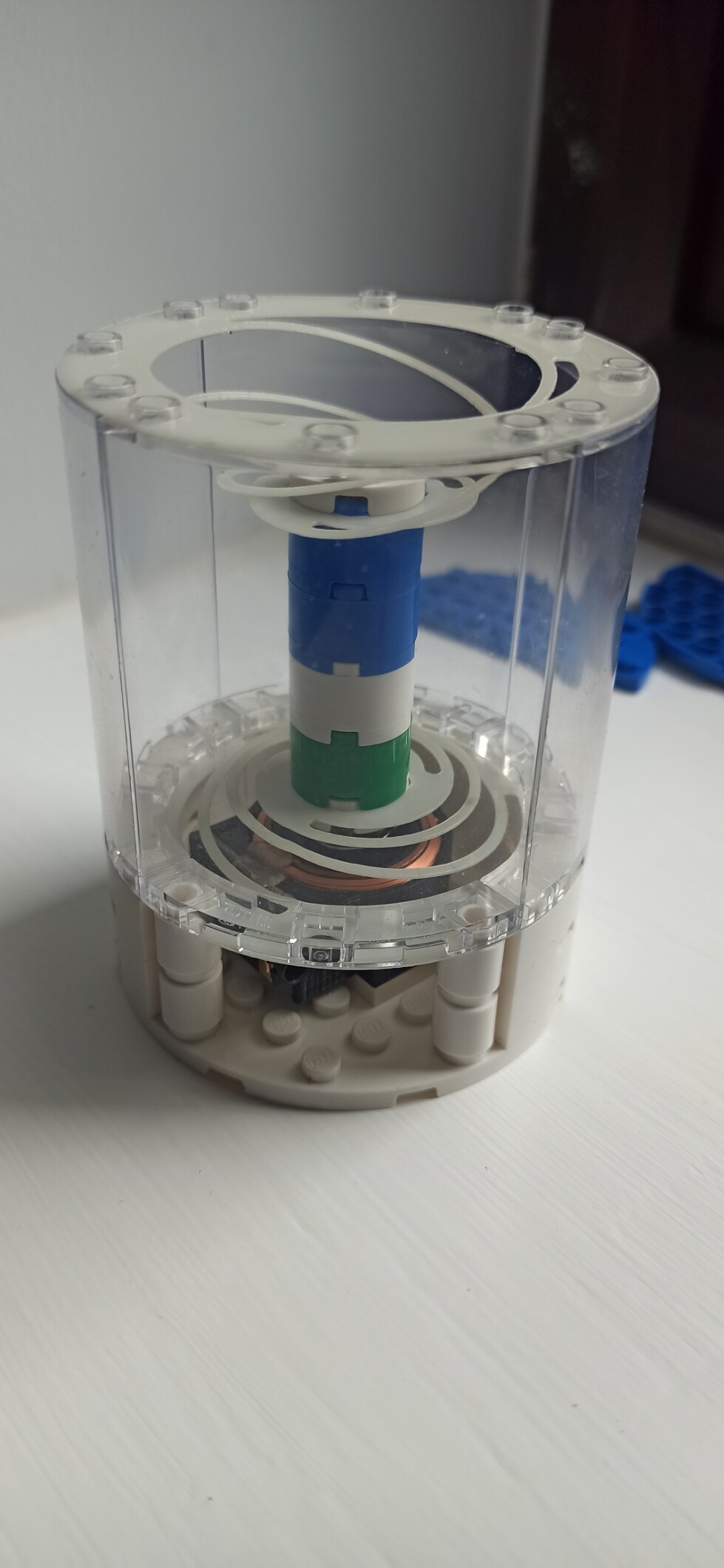
I have spent most of my life working in Seismology, and seem to have specialised in educational seismology. I spent some time setting up and running the UK school seismology project and still have an interest in trying to create the world's cheapest functional seismic sensor using Lego.
Currently working at DentonSeismo co.uk
Adam Pascale
boosted
An #introduction to #Australian #earthquakes 1/4
Yes, we do have them! But not as often and not quite as big as plate boundary regions.
The largest on record is a M6.6 - one of three (the others were M6.2 and M6.3) to occur in a 12 hr period in Jan. 1988 near Tennant Creek, Northern Territory. They caused a ~33 km long ground rupture (L photo below) and hundreds of aftershocks (R photos below) which continue - ~1600 events to date incl. ~30 >M5.0, the most recent of which was in 2019.
@janinekrippner @astrokiwi @jascha @seismogenic @COweatherman Very useful. Shows that we have to boost each other to help us connect with the wider community. Just like real life!
Adam Pascale
boosted





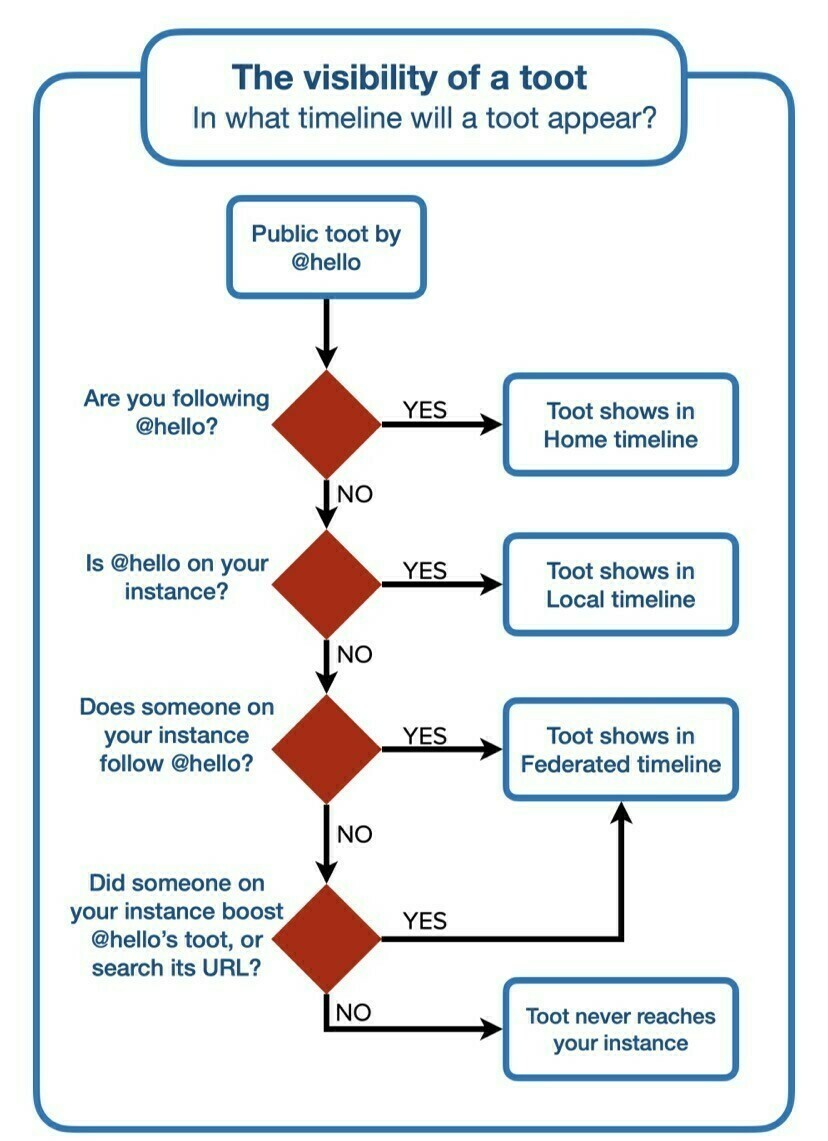
@astrokiwi @jascha @janinekrippner @seismogenic @COweatherman so everything we’ve heard about not worrying about which server we’re based is not without implications…
Chief Scientist at the Seismology Research Centre in Melbourne, Australia #earthquake #seismology
Also find me @seislologist on TikTok & Instagram
Joined Nov 2022
