

tripu @tripu@social.cleverlibre.org
Technologist, Spaniard, male, 42
Joined May 2020

tripu
boosted

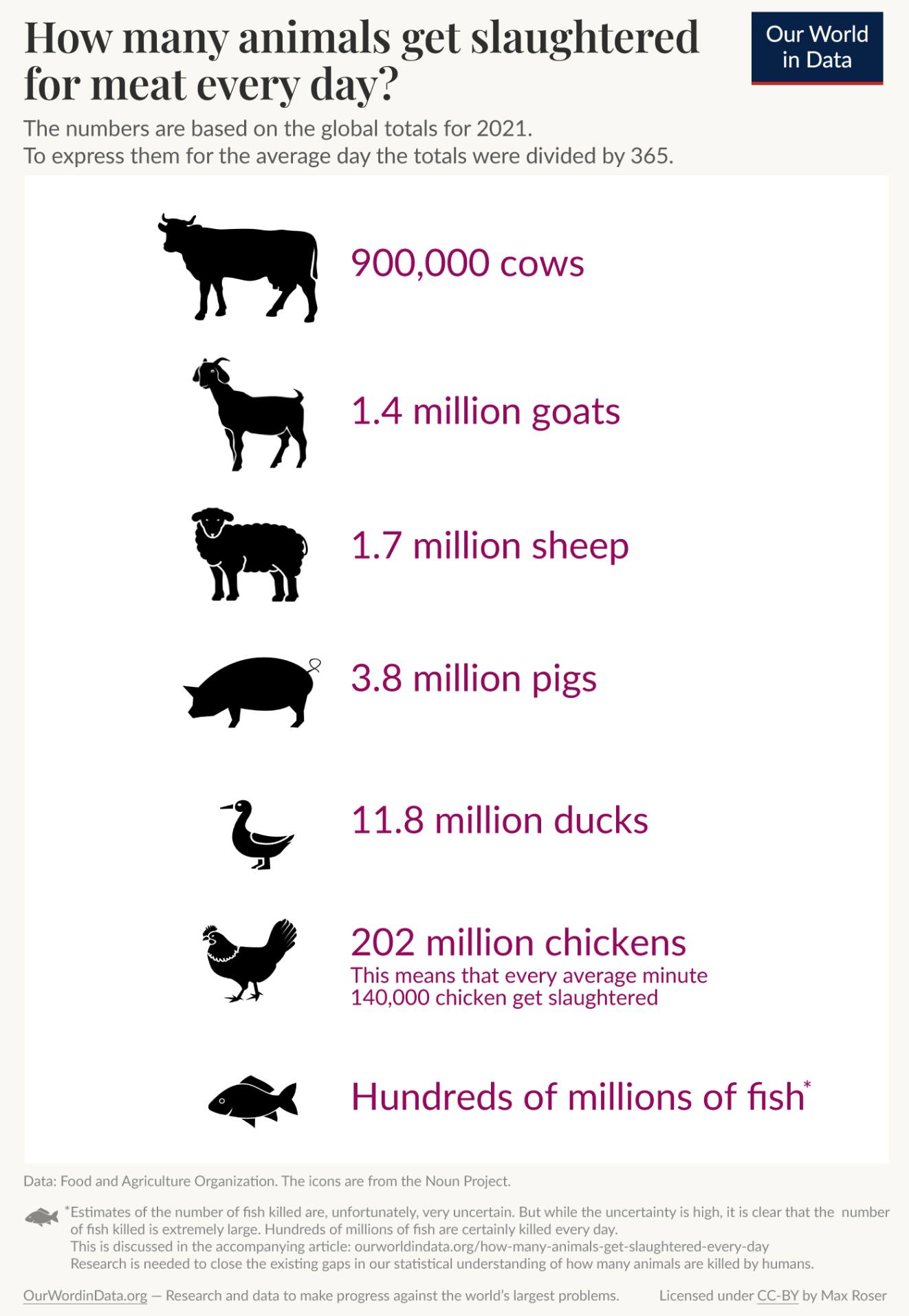
It's mind-boggling how many animals get slaughtered for human meat consumption every single day.
https://ourworldindata.org/how-many-animals-get-slaughtered-every-day
#animal #animals #murder #anthropocene #data #vegetarian #vegan #statistics #information #knowledge #science #cows #chickens #goats #sheep #ducks #pigs #fish
tripu
boosted

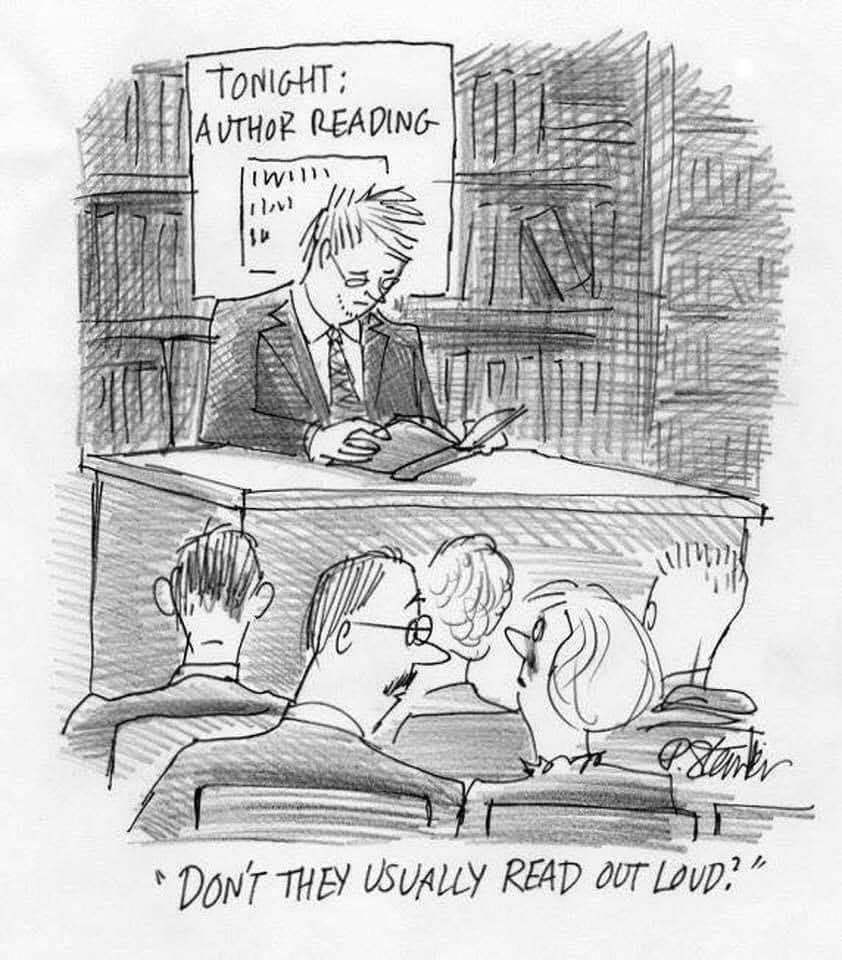
If you are going to be a programmer the most important advice I can give you is that you are going to have to pretend to know what "dependency injection" is
tripu
boosted

Yes, it was purposely vague. And easy (searching the quote verbatim would give you the answer). But since you asked, I think the remaining ~17% would be “grandparents, siblings or other relatives or guardians, or health workers”.
> _“The mother was the perpetrator in 76.5% of the cases, the father in 6.7%”_
What is it?
You are right. I know LLMs don't optimize for truth. It was a curiosity of mine; nothing consequential.
I did confirm this with an acquaintance pharmacist of mine.
About humans knowing what they don't know: it's funny you say that, because at least one of the pharmacists I asked about this made all sorts of contortions and tried to explain to me the concept of volume, the idea of density, what a mg is, etc — before admitting she didn't know what that mysterious “IU” meant 😆
That situation stinks, and any libertarian would agree — because it has nothing to do with #libertarianism or #FreeMarkets.
One of the tenets of libertarianism is free association and the sacredness of contracts. Either you ceded your rights to negotiate with ISPs to your apartment complex (check your contract), or you didn't, in which case what they did is illegal and you should be able to revert the situation (and all libertarians will cheer for you).
Note that the polar opposite to a “free-market libertarian dream” here would be much worse: ISPs would be all public, or there would be just one ISP, or the government could mandate what ISP you use and how, and you would be definitely stuck with that.
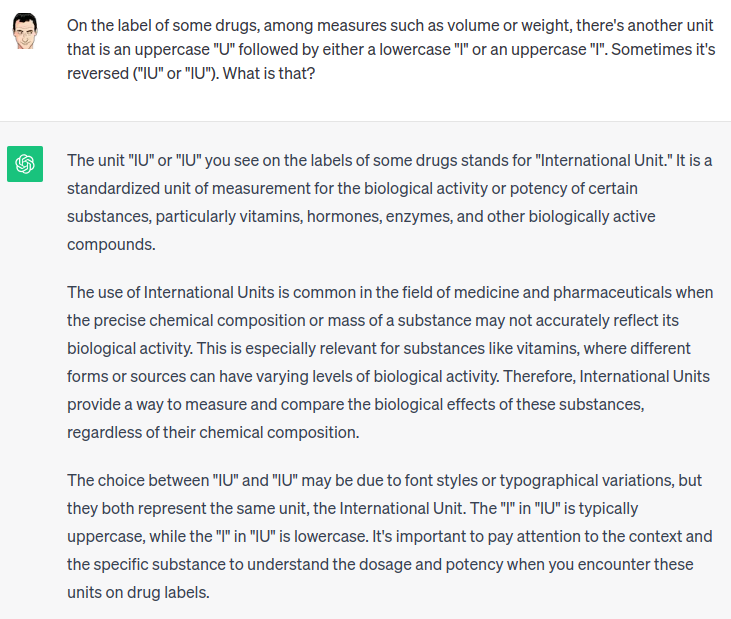
#ChatGPT just answered a burning question of mine that two human _pharmacists_ could not answer. Yipee!
https://chat.openai.com/share/08da5a60-93ea-456d-be95-467da614ff78
tripu
boosted



Please be advised: the company that cares about your privacy doesn’t.
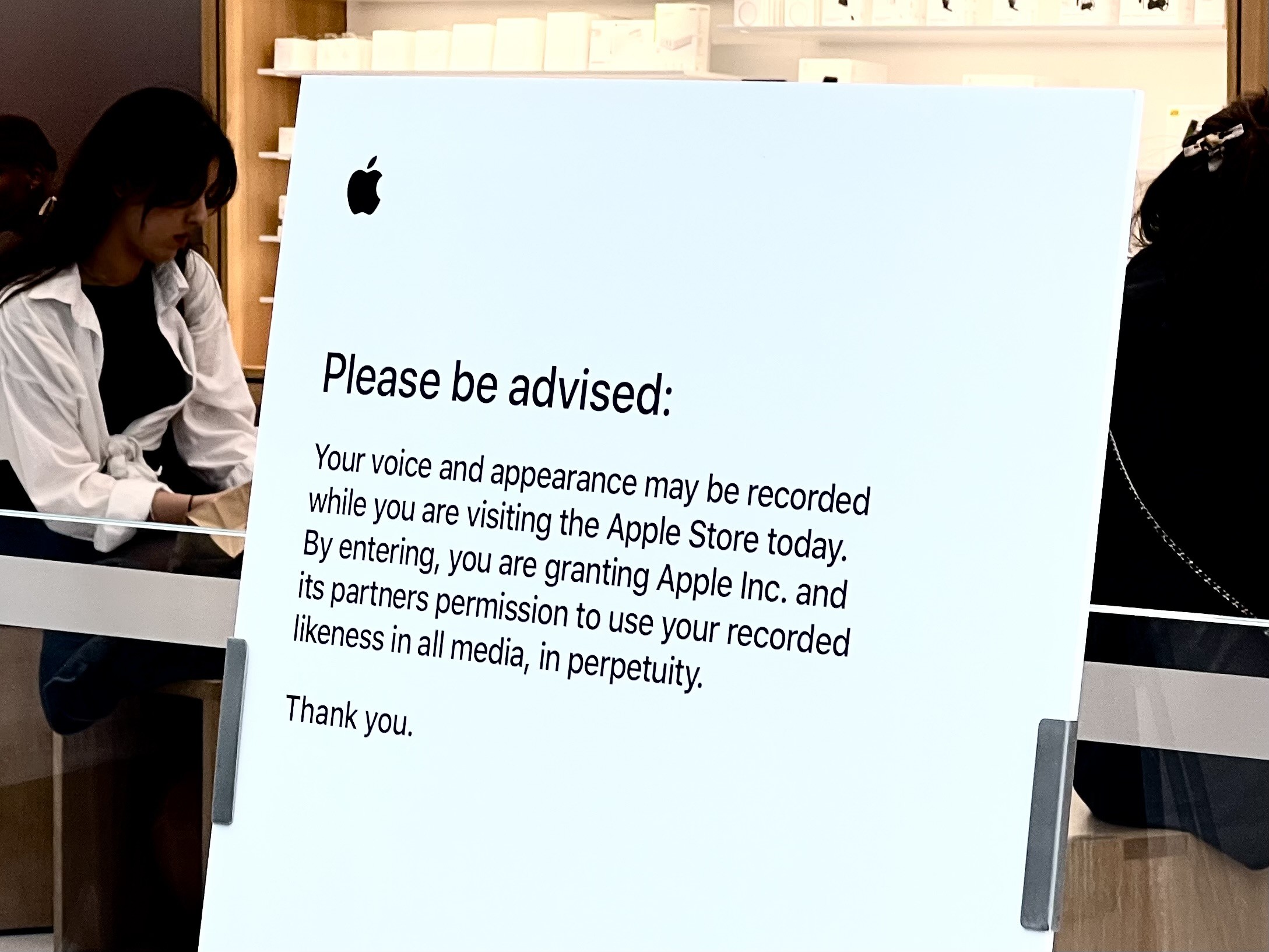
That's for sure.
I'm glad I'm on an instance where I can use words like “paedophilia” and not be given an immediate warning by admins :)
I think I understand the difference in shock value. My point is that morality (and the law) shouldn't depend on how shocking something is, but on objective measures of moral worth, consequences, etc.
Open-heart surgery is very shocking to watch, but it's very good. Hundreds of children dying every day of diarrhoea in distant countries isn't shocking (we got used to it, and we mostly ignore it), but it's very bad. etc.
Similarly, if killing someone is worse than raping someone, we should be
at least as vocal opposing depictions of the former as we are about the latter, regardless of what is more shocking.
I don't think it's about preventing victims from reviving their trauma.
For that, we have rating systems, advisories, reviews and art critics. And adult consumers can immediately quit whatever they are reading, watching or listening to.
Also, whoever has been ever tortured, beaten, or attacked may be a survivor of a murder attempt — and they are definitely a survivor of violence. Wouldn't all those people be “triggered” by depictions of violence, too?
Discussion of violence
> I think the other issue is that while most people would view depictions of rape or pedophilia with an appropriate reaction (horror), there are those who might seek it out for arousal purposes
But depictions of violence work the same way, don't they? To most people they are disgusting, but to some people they may be exciting and trigger behaviour.
Also: you mention soldiers, criminals and gun battles. It might be that violence in those scenarios is understood to be “expected”. But what about pedestrians being killed in Grand Theft Auto, random people being tortured in Saw and similar horror movies, the gangster who kills a shopkeeper during a robbery on a TV series, and all that “normal” people beating and killing other “normal” people in so many works of fiction, like, _all the time_?
Technologist, Spaniard, male, 42
Joined May 2020
