

Thiago Carvalho @cyrilpedia@social.cleverlibre.org
I've worked on all of science, from B cells to T cells.
https://fellowsherpa.com
Joined Nov 2022
Thiago Carvalho
boosted

Assistant or Associate Professor in Computational Genomics (tenure track)
Institute for Genomic Health at the Icahn School of Medicine at Mount Sinai
Mount Sinai is seeking exceptional tenure-track faculty candidates to lead ambitious data-driven genomic research programs.
See the full job descrip...
https://jobrxiv.org/job/institute-for-genomic-health-at-the-icahn-school-of-medicine-at-mount-sinai-27778-assistant-or-associate-professor-in-computational-genomics-tenure-track-2/?feed_id=59241
Thiago Carvalho
boosted

'Beyond its potential to enhance surgical resectability of the primary tumor, neoadjuvant immunotherapy further seeks to utilize the primary tumor as a source of antigens recognized by the immune system, inducing or enhancing systemic anti-tumor immunity to target and eliminate distant micrometastases that would otherwise become the nidus of post-surgical relapse'
#Immunology #immunotherapy
https://www.cell.com/cancer-cell/fulltext/S1535-6108(23)00251-9
Thiago Carvalho
boosted

RT @pkanske: Join our ERC project "INTERACT - The interplay of neural networks enabling social interaction" as PhD student or PostDoc. DM me with questions.
- Thanks for sharing -
@ERC_Research @DAAD_Germany @tudresden_de @ResearchGermany @OHBM @SANS_news @S4SNeuro
https://tu-dresden.de/mn/psychologie/ikpp/klipsy/die-professur/mitarbeit-offene-stellen
'This past May Brazilian police officers and officials from the Ministry of Labor rescued a sixty-three-year-old woman from the private home where she had worked, without pay, benefits, or vacation time, for forty-seven years.'
https://www.nybooks.com/online/2023/09/17/the-base-of-the-labor-pyramid/
Thiago Carvalho
boosted

Neurophilosophers - am I getting this right?
Namely: what psychologists call "processes" are what philosophers would call "things" (not processes)
The philosophical distinction between things versus processes is the idea that these are two different ways of thinking about the world. In the things way of thinking, the world is made up of just that: things – dogs, cats, me, you, this book, that pencil. In contrast, the process way of thinking shifts the emphasis from thinking about things in a static way to acknowledge the reality that everything is always changing. It's the famous idea that you can't step in the same river twice because the river you would step into a second time is a changed river and thus not the same as the one you stepped into before. From a process perspective, the idea of a thing called "a dog" or "a river" or "you" is an abstraction that captures some aspects of reality (the static aspects) but fails to capture some others (the changing ones).
One way in which the "things" way of thinking manifests in brain/mind research is the idea that there are modules that our brains flexibly combine to accomplish complex tasks; things like vision, audition, memory, attention and decision making. While these are often called "processes" by brain/mind researchers, philosophers would point out that in the way that most brain researchers think about them, they are very much "things".
'Orca hunting repertoires are enormously wide and complex. They typically share whatever they catch. Most groups specialise in hunting particular kinds of food – fish, sharks, seals, whales – and do not feed on anything else except under duress. This is not only to do with local conditions: in some areas, coastal fish-eating communities share waters with more pelagic whale-eating communities, but there is no social crossover.'
https://www.lrb.co.uk/the-paper/v45/n18/francis-gooding/short-cuts
Thiago Carvalho
boosted


A new study suggests that fully remote workers may produce less than half the climate-warming emissions of people who spend their days in offices.
https://www.washingtonpost.com/climate-solutions/2023/09/18/work-from-home-carbon-footprint/
Thiago Carvalho
boosted
Interested in learning more about Open Educational Resources about #OpenScience? Don't miss this opportunity – sign up for the upcoming webinar with EHPS Open Science SIG!
Register here: https://docs.google.com/forms/d/e/1FAIpQLSeMhK5xtbsH48k40ZW0GU4GSY09wtSoMgBchPTPmMB8ble5zg/viewform
'The AACR Maximizing Opportunity for New Advancements in Research in Cancer (MONARCA) Grant for Latin America represents an AACR initiative to address this need by promoting and supporting early-career investigators in Latin America to establish a successful career path in cancer research, thereby increasing and sustaining a cadre of talented cancer researchers in Latin America.'
Thiago Carvalho
boosted

GelMap, our method enabling intrinsic calibration and deformation mapping for expansion microscopy, is now officially out
'But doctors say some people seek out these drugs to lose as much weight as possible — and are dismayed and disillusioned when they stop. Some go off the drugs after they hit their plateau. When they do, they tend to regain the weight they lost.'
https://www.nytimes.com/2023/09/18/well/ozempic-weight-loss-plateau.html
Thiago Carvalho
boosted

Functionalization of #ribonucleoprotein #condensates with #microtubule motors provides new tools for re-directing RNA to centrosomes or the cell periphery
Audrey Cochard, Zoher Gueroui et al
Thiago Carvalho
boosted

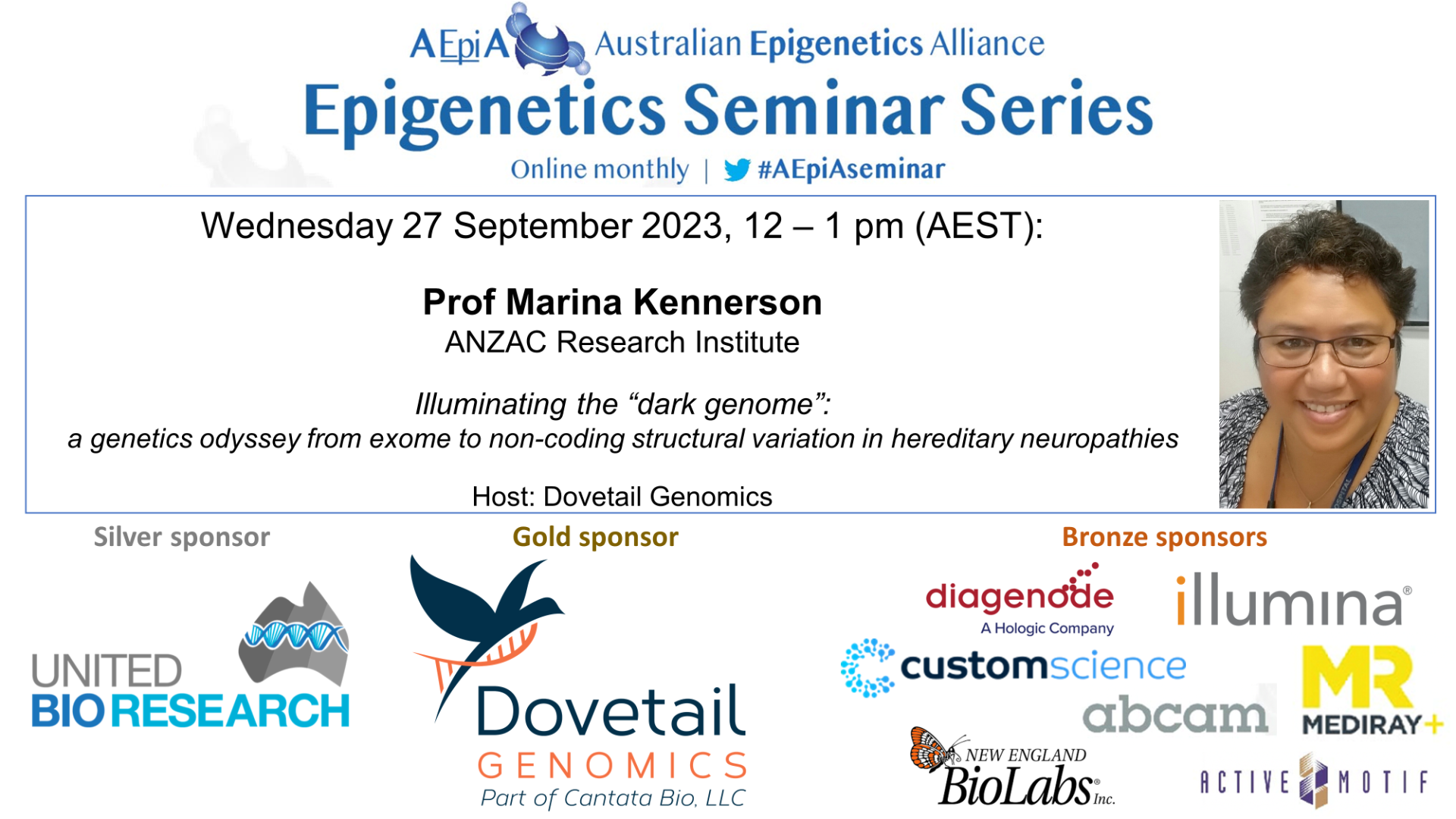
At the next Australiasian Epigenetics Allince seminar Wednesday 27th September at 12pm AEST, we will hear from Prof Marina Kennerson (ANZAC Institute) about the #genomics of hereditary neuropathies. Attendance is free and you don't need to be an alliance member to join the seminars.
We hope to see you there! https://minar_Marina_Kennerson.eventbrite.com
Thiago Carvalho
boosted

"Host cell environments and antibiotic efficacy in tuberculosis"
Nice figure showing the challenges of #antibiotics to get into a cell and target #Mycobacterium tuberculosis
#tuberculosis #TB #IDMastodon #infectiousdiseases #immunology
https://www.cell.com/trends/microbiology/fulltext/S0966-842X(23)00253-6?_returnURL=https%3A%2F%2Flinkinghub.elsevier.com%2Fretrieve%2Fpii%2FS0966842X23002536%3Fshowall%3Dtrue
'Candida auris is also on the World Health Organization’s list of priority pathogens. Last year, it said that there were “only four classes of antifungal medicines currently available, and few candidates [are] in the clinical pipeline. Most fungal pathogens lack rapid and sensitive diagnostics and those that exist are not widely available or affordable globally”.
https://www.ft.com/content/65c36ed2-0fac-479b-9bad-73c471d3929a
'What distinguishes these new books isn’t just what they tell us about an extinct sub-species of humans, but the surprising passion they bring to their subject. Their authors are enraged that popular ideas about the Neanderthals lag so far behind the cutting edge of paleontological research – research that has brought the Neanderthals closer to us than they have been in 40,000 years.'
'I am revisiting these haunts, too, because I am reading Another Country for the second time, some thirty years after my first journey through its pages. As I do, I am struck by how the novel goes against many of the fictional strategies so often adopted in our commercially driven, MFA-centered literary world.'
https://lithub.com/the-many-lessons-from-james-baldwins-another-country/
Thiago Carvalho
boosted




📢 New post on FocalPlane
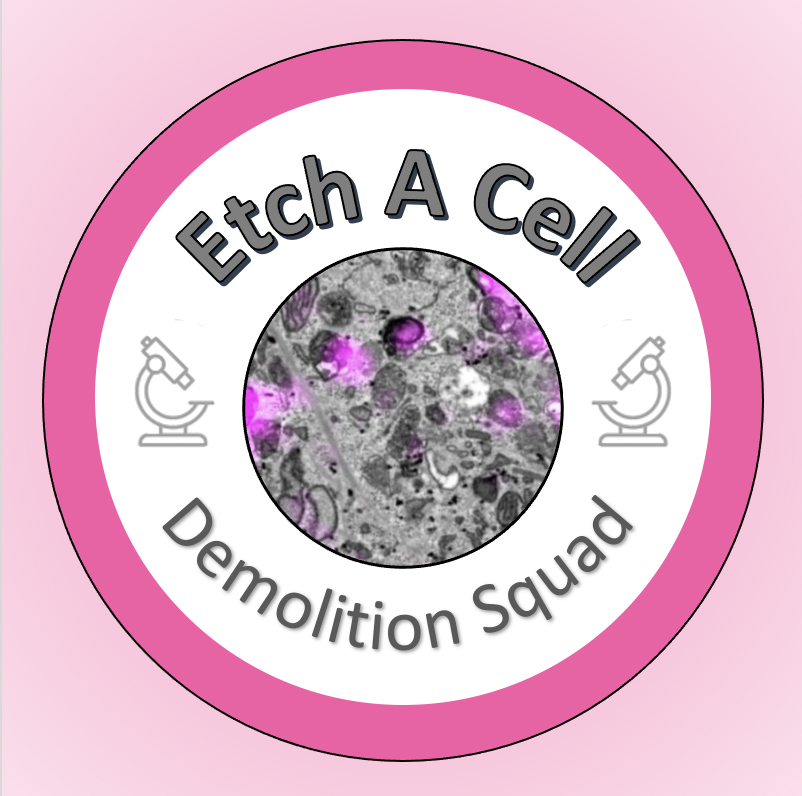
Are you interested in learning how citizen science can help boost your research? Check out our interview with Helen Spiers, one of the key scientists behind the successful Etch A Cell project, where citizen scientists help researchers by annotating electron micrographs, enabling the researchers to generate ground truth annotations for machine learning training data.
https://focalplane.biologists.com/2023/09/18/an-interview-with-helen-spiers/
#microscopy #CellBiology #citizenscience #electronmicroscopy #machinelearning
I've worked on all of science, from B cells to T cells.
https://fellowsherpa.com
Joined Nov 2022
