

Thiago Carvalho @cyrilpedia@social.cleverlibre.org
I've worked on all of science, from B cells to T cells.
https://fellowsherpa.com
Joined Nov 2022
Thiago Carvalho
boosted

Listen:
Songs of disappearance – Australian #frog calls
https://soundcloud.com/bowerbirdcollective/songs-of-disappearance-australian-frog-calls-preview
Thiago Carvalho
boosted

Are you interested in delving into #manuscripts as a scientific #editor and contributing to #scicomm #OpenScience #reproducibility in #LifeScience?
@embojournal is in particular looking for scientists with previous expertise related to #chromatin, #transcription, #RNA, #protein synthesis, #ribosomes …
Another interesting editor #jobopening for @EmboMolMed @MolSystBiol
=> one more week to apply via https://www.embo.org/about-embo/work-for-us/
"We identified two models of age-dependent changes in gene expression, directional changes and increased variance, which contributed to genome-wide loss of lineage fidelity. Age-dependent variant responses were common to both lineages, whereas directional changes were almost exclusively detected in luminal epithelia and implicated downregulation of chromatin and genome organizers such as SATB1."
#preprint
'Thousands of migrants and asylum seekers are facing “an unprecedented rise in violence” at the EU’s border, including beatings, forced undressing and sexual assaults, according to a report exposing thousands of alleged illegal expulsions in harrowing detail.'
Thiago Carvalho
boosted

RT @Ben_Sheldon_EGI@twitter.com
We have positions for 6-7 field assistants for 2-3 months in spring 2023 working on a range of ornithological and ecological projects in Wytham Woods just outside Oxford. Salary, and accommodation, provided. Please see details below:
🐦🔗: https://twitter.com/Ben_Sheldon_EGI/status/1600604870234738688
Thiago Carvalho
boosted
Now out and Open Access in the great society journal @EvolLetters: Experimental evolution of environmental tolerance, acclimation, and physiological plasticity in a randomly fluctuating environment https://onlinelibrary.wiley.com/doi/10.1002/evl3.306
This is the latest result from a long-term experiment where we exposed lines of the microalga Dunaliella salina to randomly fluctuating salinity with controlled temporal autocorrelation, using a liquid handling robot.
Thiago Carvalho
boosted

 🏳️🌈🖖🏽
Today is Pearl Harbor Day in the U.S., a “day that will live in infamy” for the unprovoked attack by the Empire of Japan upon U.S. forces stationed in Hawaii. But it also marked a dark turning point for Japanese Americans, who overnight became the “enemy.” (1/4)
Thiago Carvalho
boosted

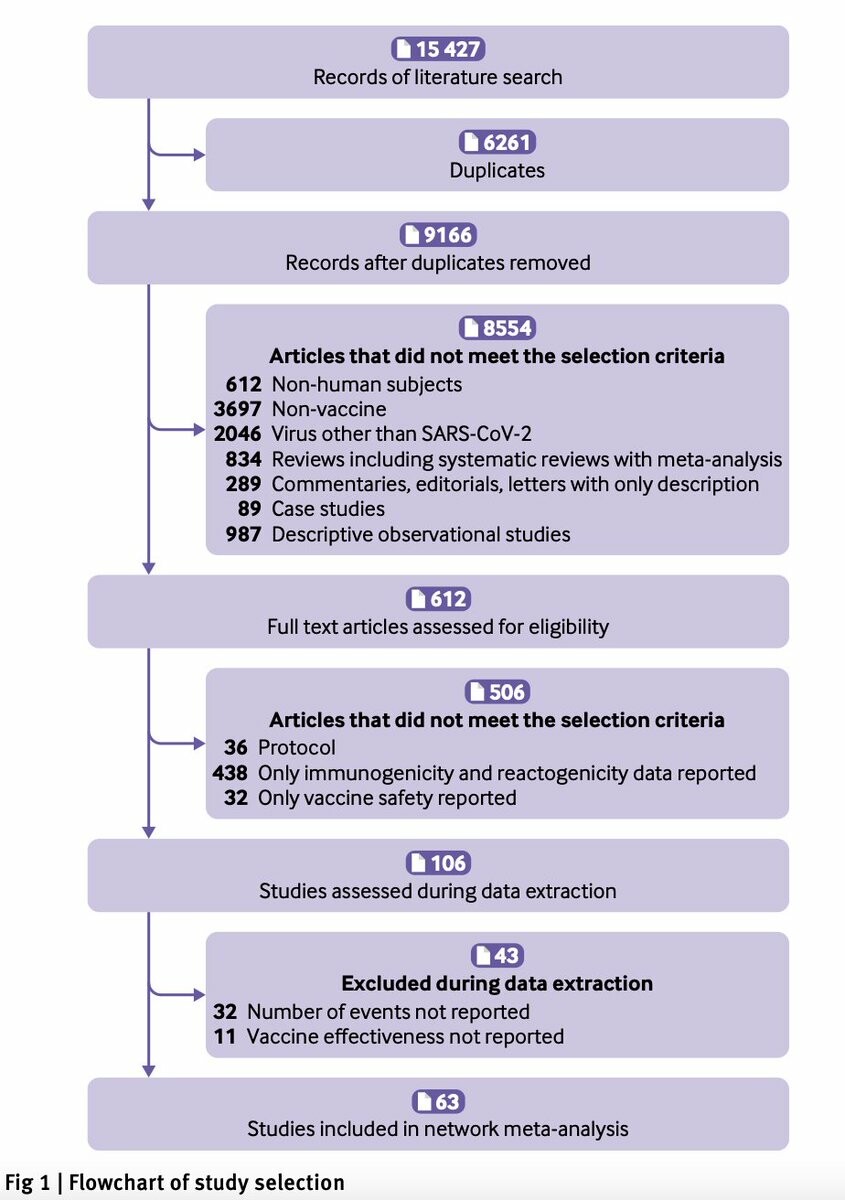
The continuing effort of keeping track of published data on vaccine effectiveness: great work from living review https://www.bmj.com/content/bmj/377/bmj-2022-069989.full.pdf showing importance of booster doses to broaden protection, even against variants
"Huelsz-Prince et al. then developed a computer model of stem cells in the model intestine and tested the impact of changing the proportion of symmetric and asymmetric divisions. The results showed that having more symmetric divisions reduced fluctuations in the number of dividing cells better than high levels of asymmetric divisions."
Thiago Carvalho
boosted

"COVID still kills roughly as many Americans every week as died on 9/11. It is on track to kill at least 100,000 a year—triple the typical toll of the flu. The CDC estimates that 19 million adults have long COVID. "
By @edyong209@twitter.com
Thiago Carvalho
boosted

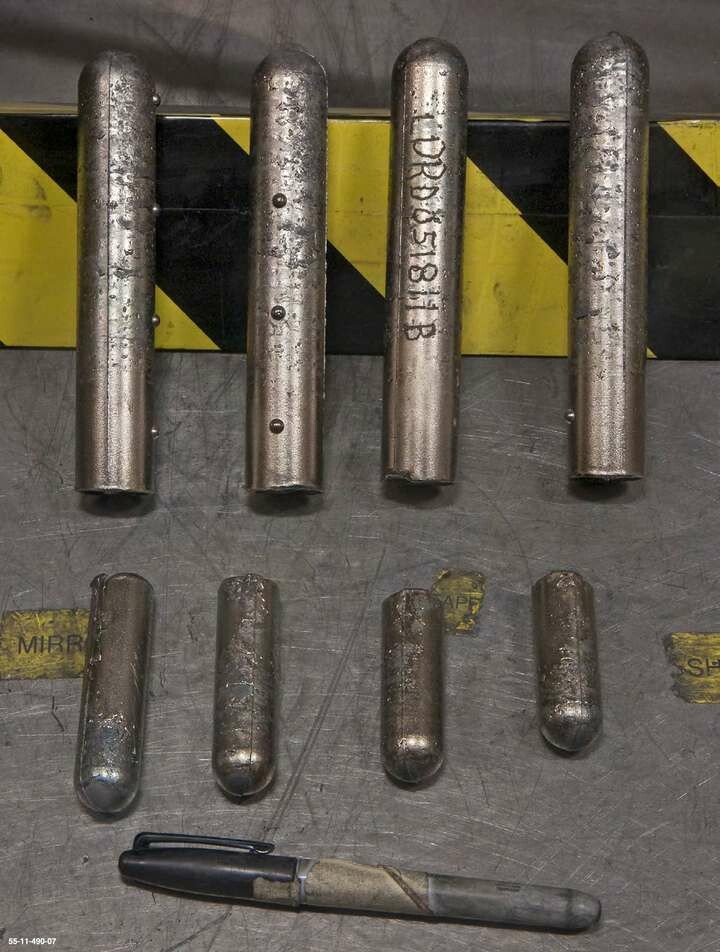
In August 2011, Los Alamos techs posed 8 plutonium rods on a work table to take a few photos.
Had these rods rolled into each other there would have been an instant criticality event. (Think "Demon Core")
Worst still, a supervisor who saw the display ordered the techs to safe the rods, ignoring the protocol to evacuate EVERYBODY (b/c even a hand could moderate the neutrons & cause criticality).
It caused a 4-year, billion-dollar shutdown.
...
Smart people + overfamiliarity = stupid things.
Thiago Carvalho
boosted

Fantastic paper from Thiago Cunha and gang implicating IDO producing meningeal dendritic cells in neuropathic pain. Congrats, guys! https://www.jci.org/articles/view/153805
Gathering real world data on the efficacy of drugs and vaccines used to treat or prevent #monkeypox is vital. Many where developed for #smallpox and approved via the FDA's "animal rule", which means that although the safety data is there, the efficacy is essentially unknown. I wrote a bit about this for #NatureMedicine in September when looking at the use of the #antiviral #tecovirimat for monkeypox.
'During the current outbreak of #monkeypox (recently renamed mpox), #smallpox #vaccination has been recommended to prevent mpox infection in persons who have had mpox exposure, but evidence to support this practice is limited.1,2 We conducted a study to evaluate potential breakthrough infections in participants who had received smallpox vaccine after high-risk exposure to mpox.'
Thiago Carvalho
boosted

In preprints: improving and interrogating embryo models
Antonio Scialdone and Nicolas Rivron discuss the fast developing field of embryo models, highlighting two preprints with new methods for ensuring reproducibility and investigating complexity.
"A better understanding of the relative contribution of IFN-γ–dependent and –independent pathways in resistance to #cryptosporidium is needed, and understanding which immune deficiencies lead to increased risk for cryptosporidiosis may offer clues as to the host pathways that restrict Cryptosporidium that may also be relevant to other enteric pathogens."
Thiago Carvalho
boosted

Why dont researchers use Open Data? One of the reasons: dont know how to find them
Help us change this by adding resources to (or using) EcoEvo catalogue https://ckan-ecoevo.d4science.org/ It lists aggregators you can use to find data, like WoS finds articles
more details on data reuse in https://doi.org/10.1038/s41559-017-0458-2
I would also love to hear from you. Do you find this resource useful? Why yes, why not? Would you like to do some further research on data finding with me? How can we improve the catalogue?
Thiago Carvalho
boosted

A little late, but here's our #introduction:
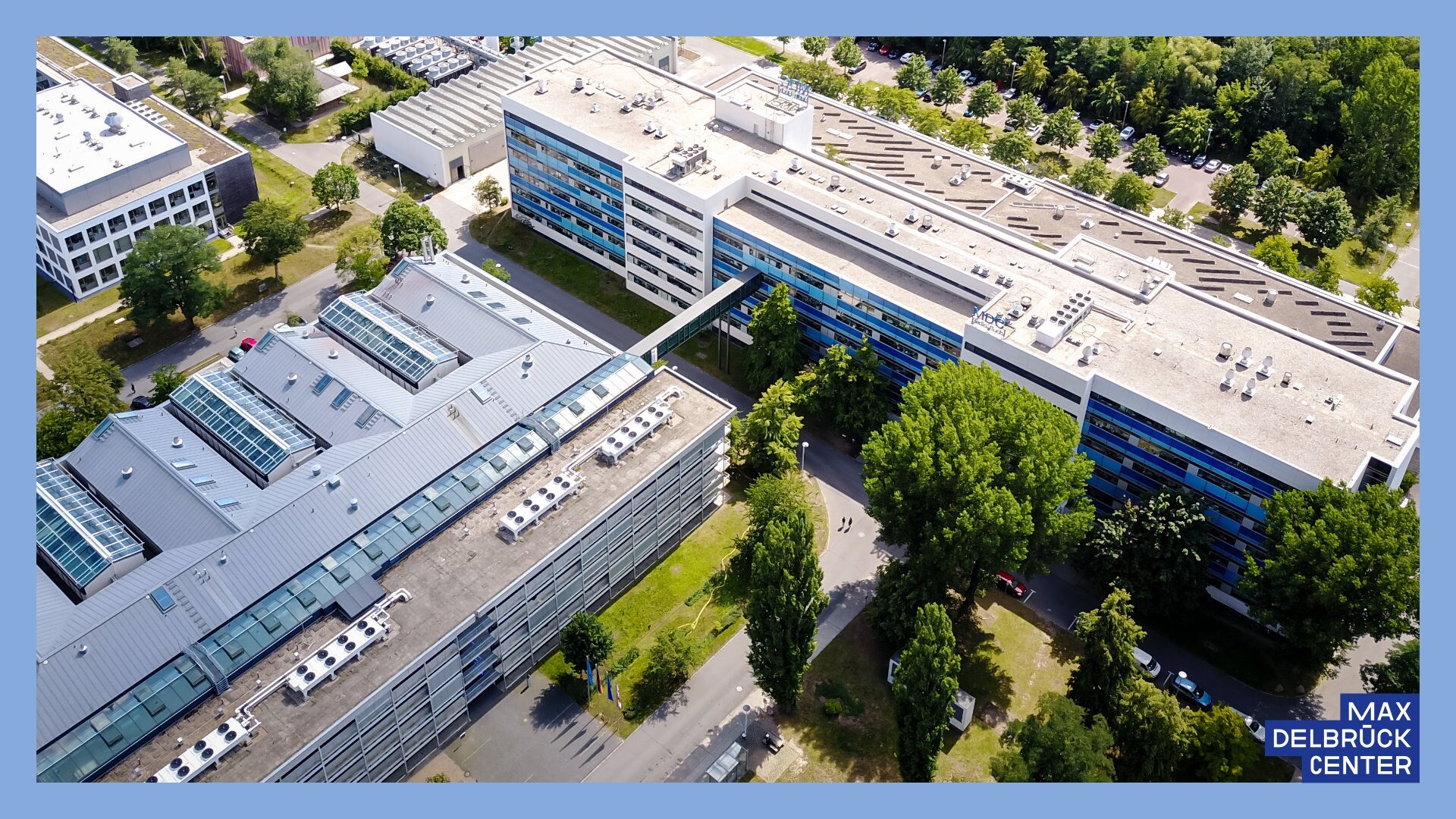
We are a research institute devoted to biomedical research. Our aim is to understand the molecular basis of health and disease - and to translate findings as quickly as possible into clinical applications. Better prevention, diagnosis and treatment of diseases are the ultimate goals.
#Genes
#Cells
#Molecules
#Proteins
#SystemsMedicine
#Cardio
#Biomedicine
#Diseases
#Health
'One answer is that as a country, we prefer just to not see those deaths at all, regarding a baseline of several hundred deaths a day as a sort of background noise or morbid but faded wallpaper. We don’t need to understand who is dying or why in part because we don’t want to reckon with the fact that around 300 Americans are now dying from Covid-19 every day, at a rough pace of about 100,000 per year, making it the country’s third leading cause of death. This is normalization at work, but it is also a familiar pattern: We don’t exactly track the ups and downs of cancer or heart disease either.'
https://www.nytimes.com/2022/12/07/opinion/environment/covid-19-pandemic-elderly-deaths.html
Thiago Carvalho
boosted



When asked by the occasional layperson whether there are everyday consequences of population-genetic processes, this paper may come handy to support one's answer
I've worked on all of science, from B cells to T cells.
https://fellowsherpa.com
Joined Nov 2022
